
 Pin It
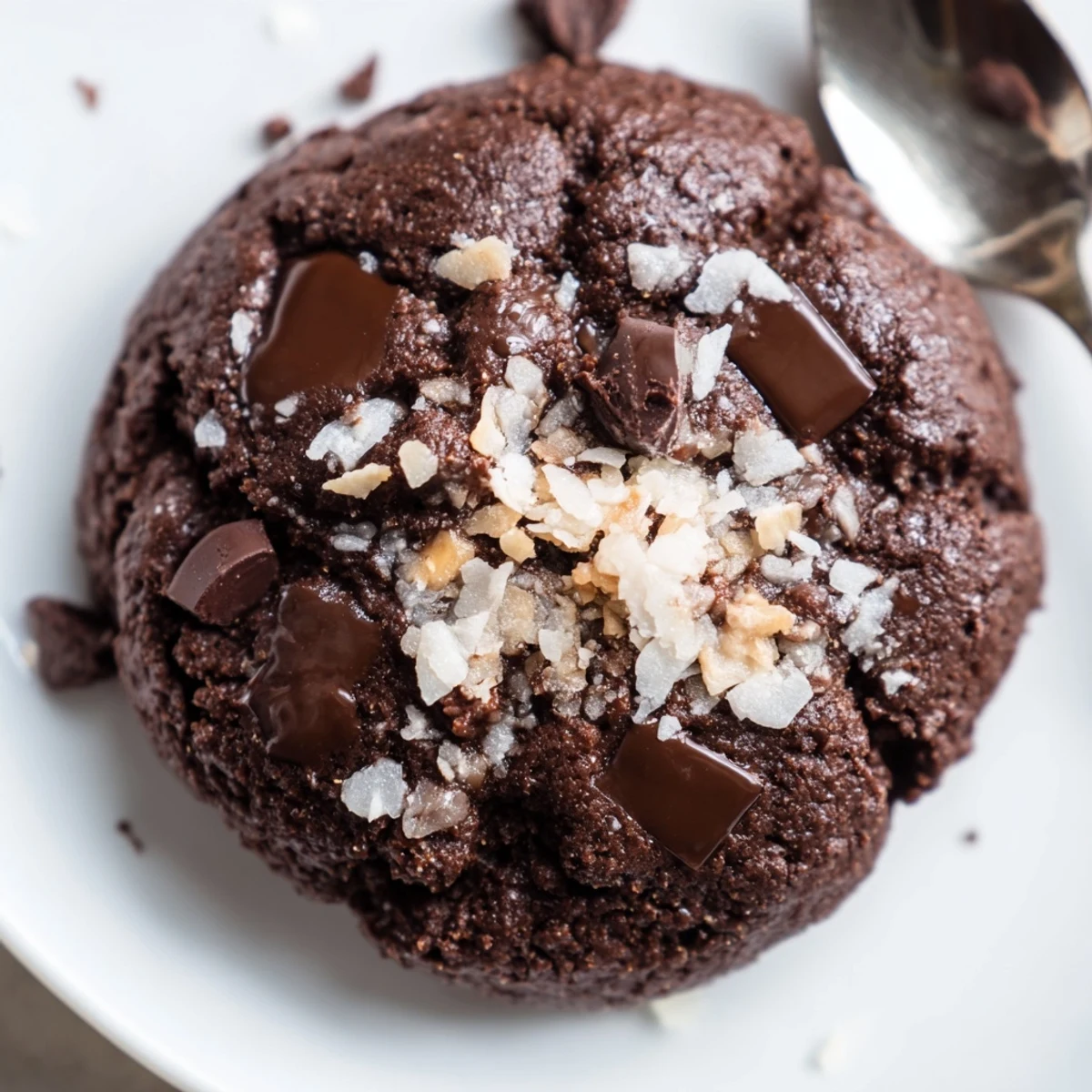
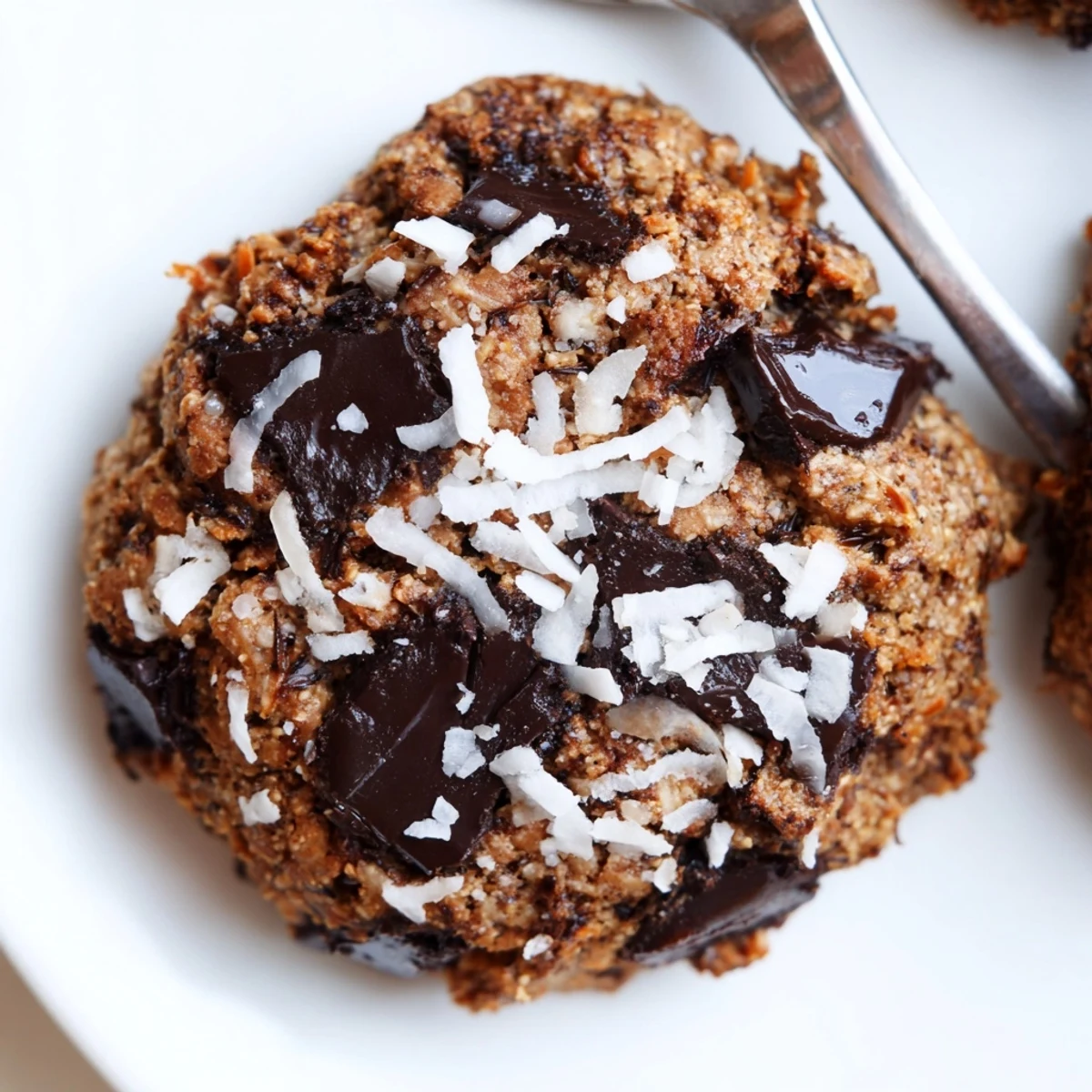
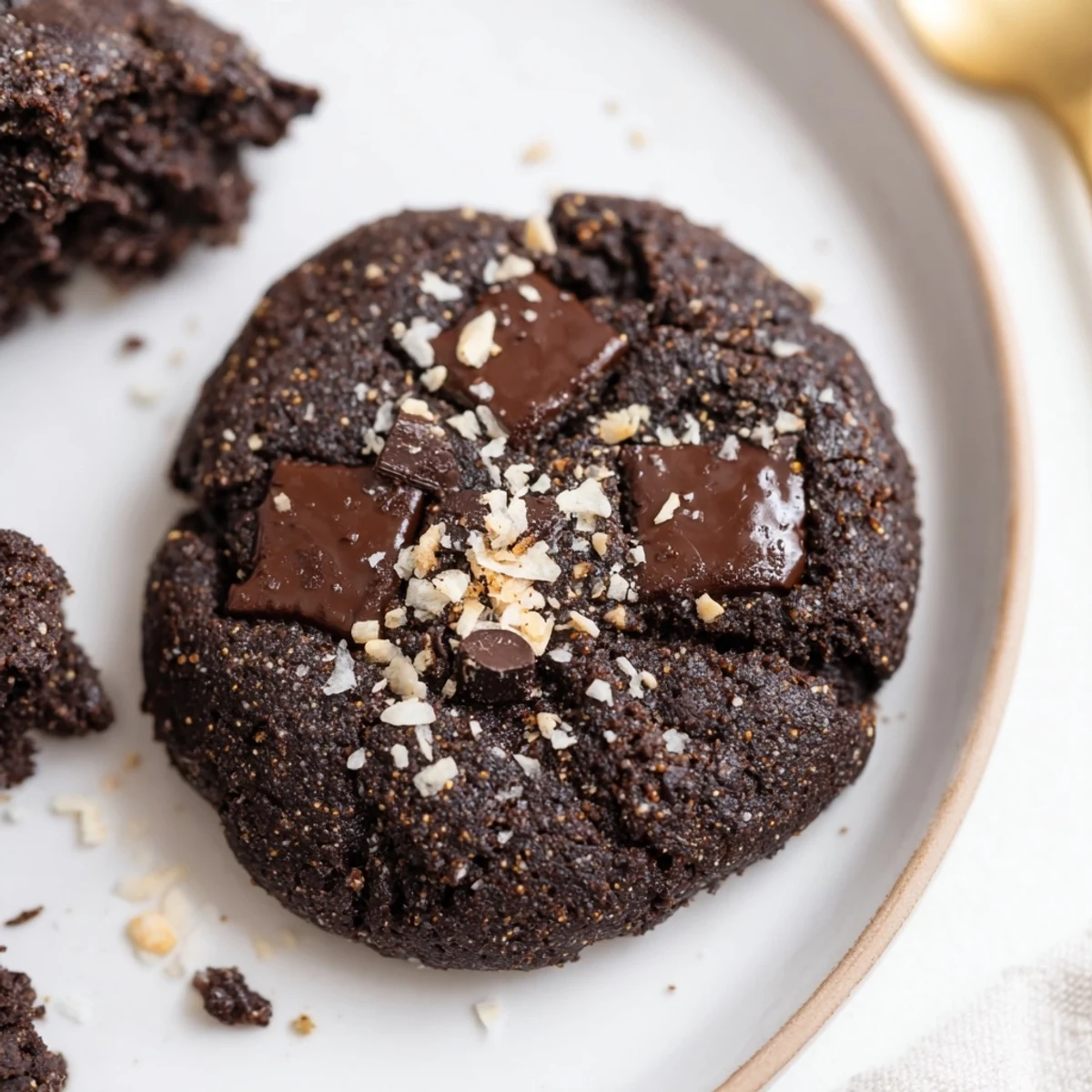
 These gluten-free espresso chocolate coconut butter cookies are rich and chewy, built on almond flour and unsweetened cocoa for structure and depth. Coconut butter and maple syrup keep the dough tender while espresso powder amplifies the chocolate notes. Fold in dark chocolate, flatten slightly, and bake until edges set for soft centers. Easy swaps include a flax egg for vegan diets and extra nuts or white chocolate for contrast.
My kitchen smelled like a coffeehouse the morning I threw espresso powder into cookie dough on a whim, and I have never looked back since. The combination of dark chocolate and that bold coffee note against the sweetness of coconut butter creates something dangerously addictive. These cookies became the thing everyone in my house fights over within minutes of cooling. They are rich, chewy, and completely gluten free without any compromise in texture or flavor.
I brought a batch of these to a friends potluck last winter, and three people pulled me aside to ask for the recipe before dessert was even served. One friend who avoids gluten told me it was the best cookie she had eaten in years, and honestly that moment alone made every minute in the kitchen worth it.
Ingredients
- Almond flour (1 1/2 cups, 180 g): This is the base of the entire cookie, so use a fine blanched almond flour rather than coarse meal for the best texture.
- Unsweetened shredded coconut (1/2 cup, 45 g): It toasts slightly during baking and adds a chewy, tropical undertone throughout every bite.
- Unsweetened cocoa powder (1/4 cup, 25 g): Use a good quality Dutch processed cocoa for a smoother, deeper chocolate flavor.
- Finely ground espresso powder (1 tsp): Do not skip this, because it is the secret that makes the chocolate taste richer without making the cookies taste like coffee.
- Baking soda (1/2 tsp): Just enough lift to keep these from turning into dense little hockey pucks.
- Fine sea salt (1/4 tsp): A small pinch goes a long way in balancing all the sweetness.
- Coconut butter, softened (1/2 cup, 120 g): Gently warm the jar if it is rock hard, but do not melt it completely or the dough will be too wet.
- Pure maple syrup (1/3 cup, 80 ml): This is your sweetener, so use the real thing and nothing artificial.
- Large egg, room temperature (1): Helps bind everything together and gives that classic chewy center.
- Pure vanilla extract (1 tsp): Rounds out the espresso and chocolate beautifully.
- Dark chocolate, chopped (3 oz, 85 g): Use 70 percent cacao or higher for those gorgeous melty pockets in every bite.
- Unsweetened coconut flakes (1/4 cup, 20 g, optional): A sprinkle on top adds a lovely toasted finish and makes them look bakery worthy.
Instructions
- Preheat and prepare:
- Set your oven to 350 degrees F (175 degrees C) and line two baking sheets with parchment paper so nothing sticks.
- Whisk the dry ingredients:
- In a medium bowl, whisk the almond flour, shredded coconut, cocoa powder, espresso powder, baking soda, and salt until evenly blended and no lumps remain.
- Blend the wet ingredients:
- Beat the softened coconut butter with the maple syrup in a large bowl until smooth and creamy, then whisk in the egg and vanilla until everything is fully incorporated.
- Bring it all together:
- Gradually add the dry mixture into the wet, stirring gently until a thick, fudgy dough forms that holds together when pressed.
- Fold in the chocolate:
- Toss in the chopped dark chocolate and fold it through the dough so the pieces are evenly distributed and you get some in every single cookie.
- Shape the cookies:
- Scoop tablespoon sized mounds onto your prepared sheets about two inches apart, then gently flatten each one with your fingers or the back of a spoon and sprinkle with coconut flakes if using.
- Bake until just set:
- Bake for 10 to 12 minutes until the edges look firm but the centers still feel soft and slightly underdone, which is exactly what you want for that chewy texture.
- Cool with patience:
- Let the cookies rest on the baking sheets for 5 minutes before moving them to a wire rack, because they will continue to set as they cool and firm up perfectly.
 Pin It
 There is something quietly magical about a cookie that manages to be gluten free and still taste this indulgent, like it was never trying to be anything other than completely delicious. I have made these on lazy Sunday afternoons and rushed weeknight evenings, and they never disappoint.
Making Them Vegan
If you need to skip the egg, a flaxseed egg works beautifully here: simply mix one tablespoon of ground flaxseed with two and a half tablespoons of water and let it sit for about five minutes until it thickens. The cookies will be slightly more delicate but every bit as satisfying.
Storage That Works
Keep these in an airtight container at room temperature and they stay wonderfully chewy for up to four days, though they rarely last that long in my house. You can also freeze the baked cookies for up to a month and thaw them at room temperature when a craving hits.
Mix Ins and Variations
Once you have the base dough down, this recipe is remarkably forgiving if you want to play around with different add ins. White chocolate chunks, chopped toasted pecans, or even a pinch of cinnamon can completely change the personality of the cookie.
- Toasted pecans add a warm, nutty crunch that pairs surprisingly well with the espresso.
- A tablespoon of coconut oil can loosen stiff dough if your almond flour is extra absorbent.
- Always check your chocolate and coconut butter labels for hidden gluten or allergens if that matters to you.
 Pin It
 Bake a batch this weekend and share them with someone who thinks gluten free cookies could never taste this good. Watch their face after the first bite, and you will understand why this recipe lives permanently in my regular rotation.
Recipe Questions & Answers
- → How do I prevent excessive spreading?
-
Chill the dough briefly if the coconut butter is very soft, measure almond flour accurately, and avoid overmixing. Slightly flattening the scoops helps even baking without flattening too much.
- → Can I use coconut oil instead of coconut butter?
-
Coconut oil is more liquid at room temp and will lead to thinner cookies. If swapping, reduce other liquids slightly and chill the dough before baking to retain shape; expect a crisper edge and less coconut richness.
- → How can I make these without eggs?
-
Use a flaxseed egg (1 tbsp ground flax + 2.5 tbsp water, rested) to bind the dough. The texture will remain chewy but slightly denser; increase baking time by a minute if needed and monitor for set edges.
- → What flour substitutions work for almond flour?
-
Almond flour gives a tender, moist crumb; oat flour can be used but will absorb more liquid—add a binder like an extra egg or flax egg and expect a softer, cakier texture. Avoid wheat flour if keeping gluten-free.
- → How should I store finished cookies?
-
Cool completely, then keep in an airtight container at room temperature for up to 4 days. For longer storage, freeze baked cookies or dough balls; thaw baked cookies overnight or reheat briefly to refresh texture.
- → How do I boost the toasted coconut flavour?
-
Toast shredded or flaked coconut in a dry skillet over medium heat until golden and fragrant, then cool before adding. Sprinkle extra toasted flakes on top just before baking for a more pronounced coconut note.