
 Pin It
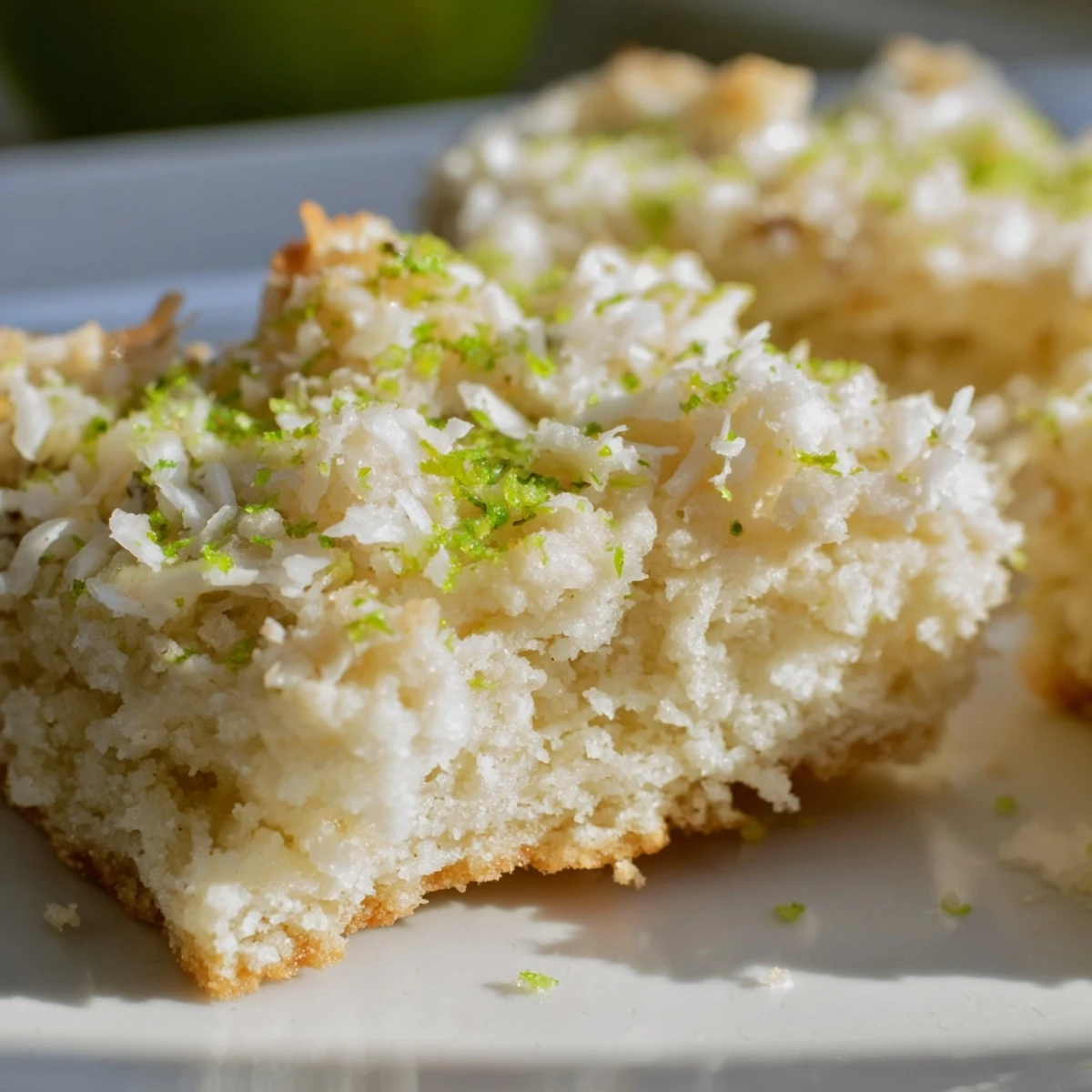
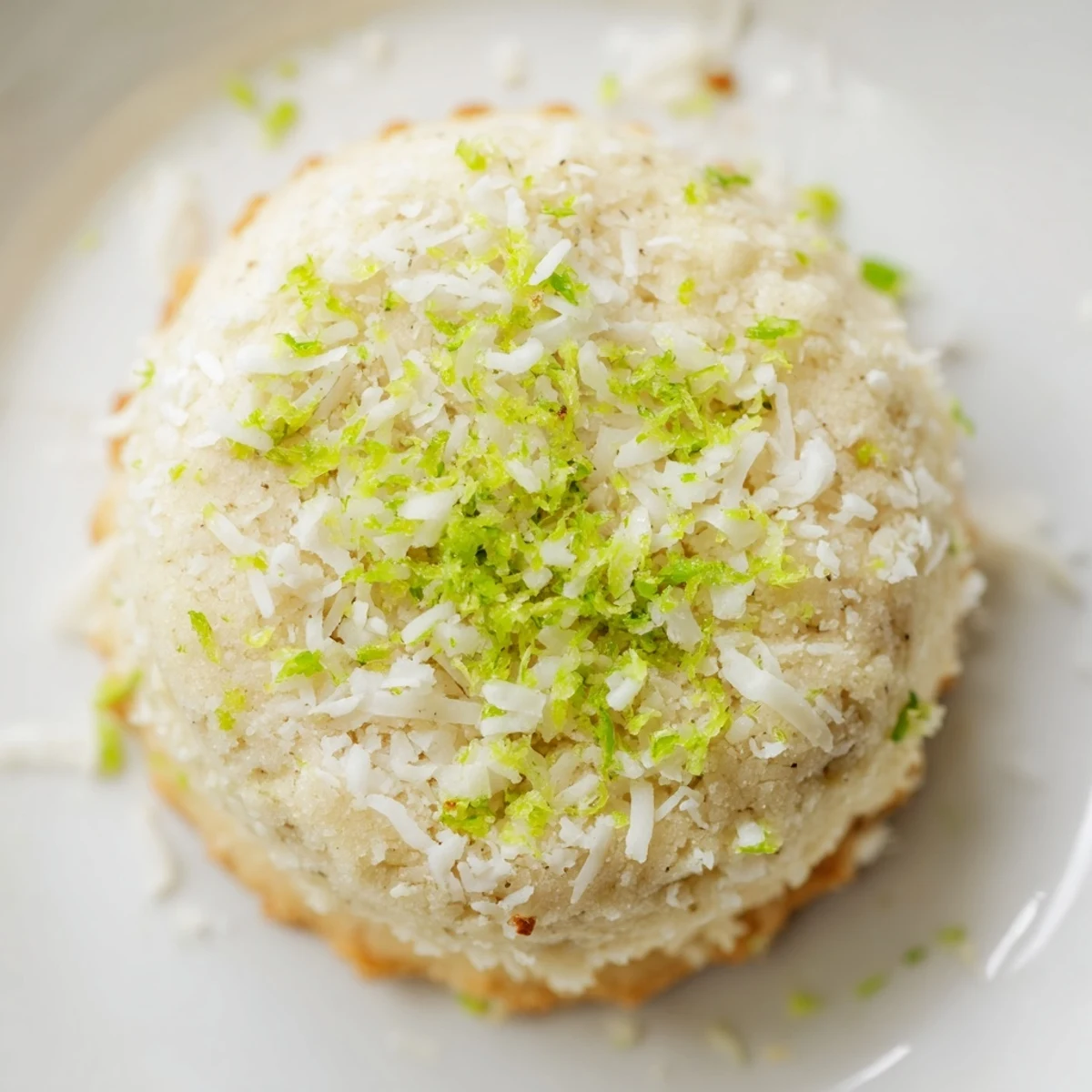
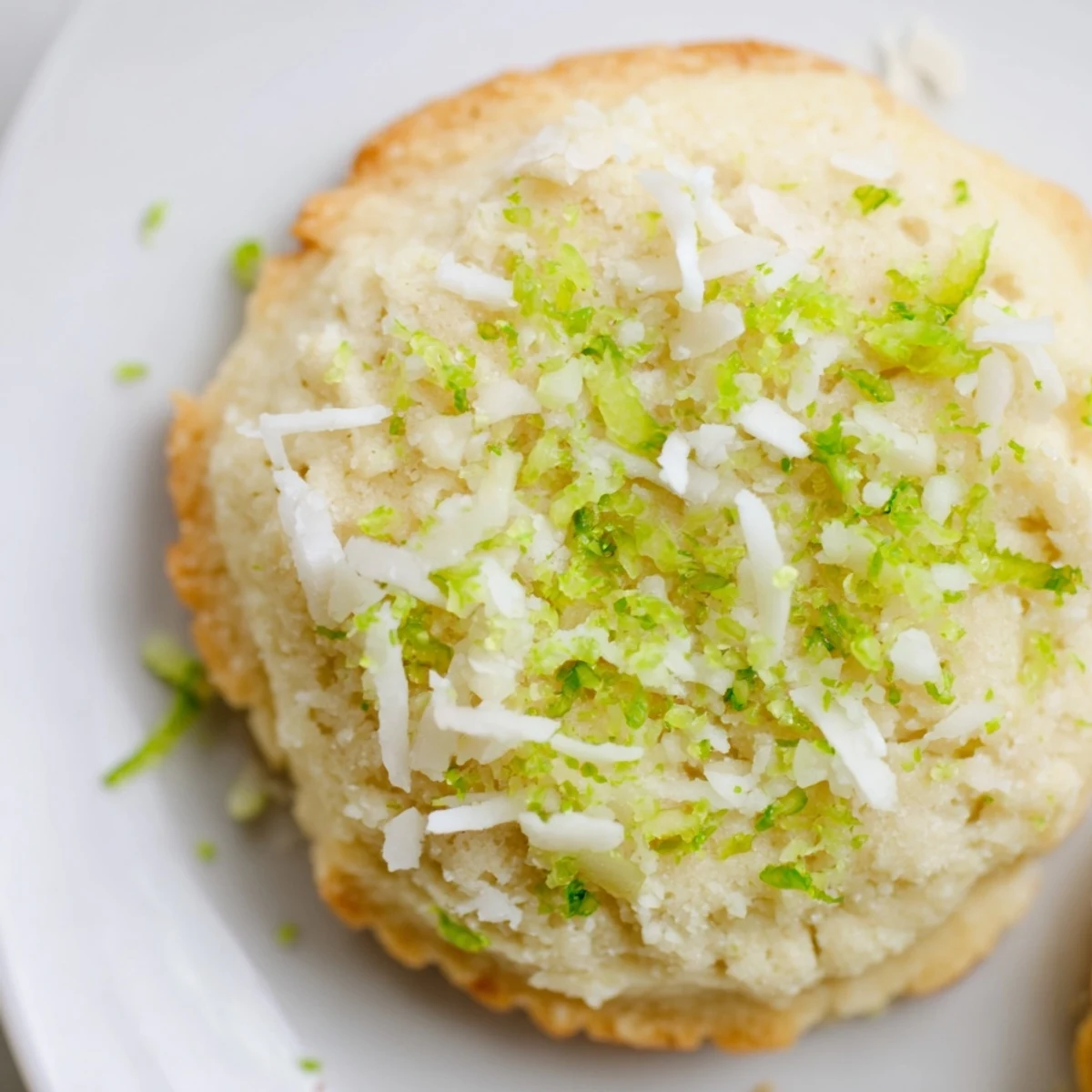
 These delicate shortbread cookies combine buttery richness with tropical coconut flakes and bright citrus notes. The almond and coconut flour base creates a tender texture that literally melts in your mouth, while fresh lime zest adds a refreshing zing that cuts through the richness.
Each cookie contains only 1.5 net carbs, making them perfect for maintaining ketosis without sacrificing satisfaction. The dough comes together quickly and bakes in just 15 minutes, yielding 18 portion-controlled treats.
The shredded coconut throughout adds pleasant texture and intensifies the tropical profile, while the powdered erythritol provides sweetness without spiking blood sugar. Perfect alongside afternoon tea or as an after-dinner indulgence.
The first time I made these keto coconut lime shortbread cookies was during a summer afternoon when my kitchen smelled like sunshine and vacation. I'd been skeptical about low-carb baking actually delivering that buttery, melt-in-your-mouth texture I love about traditional shortbread, but these completely changed my mind. The way the coconut and lime dance together makes them feel indulgent rather than like a compromise. My husband, who usually turns his nose up at keto desserts, ate three before I even mentioned they were sugar-free.
I brought a batch to my sister's beach-themed birthday party last month, setting them out alongside all the carb-heavy desserts. Within twenty minutes, the keto cookies were gone and people were asking for the recipe, completely shocked when I told them they were low-carb. Watching my diabetic dad happily enjoy a homemade cookie without worrying about his blood sugar was one of those small, perfect kitchen moments that remind me why I love adapting recipes.
Ingredients
- Almond flour: This forms the foundation of our shortbread, giving us that delicate, sandy texture that makes shortbread so special. Ive found that finely ground almond flour works best here, coarse almond meal can make the cookies feel slightly gritty.
- Unsweetened shredded coconut: This adds those gorgeous tropical notes and a subtle chewiness that keeps every bite interesting. Toast it lightly beforehand if you want an even deeper coconut flavor.
- Coconut flour: A small amount goes a long way in helping bind everything together while keeping carbs low. It also contributes a subtle sweetness that pairs beautifully with lime.
- Powdered erythritol or monk fruit sweetener: Powdered sweeteners dissolve much better than granular ones, giving you that smooth shortbread texture without any gritty aftertaste. Ive tested both erythritol and monk fruit, both work beautifully here.
- Sea salt: Dont skip this salt! It intensifies the lime and balances the sweetness, just like a pinch of salt makes chocolate taste more chocolatey.
- Unsalted butter: Room temperature butter is non-negotiable here, it needs to be soft enough to cream properly but not melted. This fat source is what creates that signature shortbread mouthfeel.
- Egg: This helps bind our dough and adds structure, since were working with gluten-free flours that dont develop that protein network wheat flour has.
- Lime zest: The zest contains all those fragrant essential oils that give us bright lime flavor without adding liquid. Grate it right into your butter mixture so those oils can infuse everything.
- Fresh lime juice: This provides acidity to balance the rich butter and tropical sweetness. Fresh juice makes a huge difference, bottled lime juice can taste flat and slightly metallic.
- Vanilla extract: A warm background note that rounds out the bright citrus flavors and makes everything taste more cohesive.
Instructions
- Get your oven ready:
- Preheat your oven to 350°F and line a baking sheet with parchment paper, which prevents sticking and makes cleanup effortless.
- Whisk your dry ingredients:
- In a large bowl, combine almond flour, shredded coconut, coconut flour, powdered erythritol, and sea salt until theyre evenly distributed throughout the mixture.
- Cream the butter mixture:
- Beat softened butter until its light and fluffy, then incorporate the egg, lime zest, lime juice, and vanilla extract until everything is smooth and well combined.
- Combine everything:
- Add your dry ingredients to the wet mixture and stir until a cohesive dough forms, it will seem slightly soft but should hold together when you press it.
- Shape the cookies:
- Roll tablespoon portions into balls and place them on your prepared baking sheet, then flatten each ball gently with your palm or a glass to about 1/2-inch thickness.
- Bake to perfection:
- Bake for 12 to 15 minutes until the edges are lightly golden, keeping in mind theyll firm up as they cool so dont overbake them.
- Cool completely:
- Let the cookies rest on the baking sheet for 5 minutes before transferring to a wire rack to cool completely, which helps them set properly.
 Pin It
 My niece who's notoriously picky about textures declared these her new favorite cookies, and she didn't even notice they were different from the regular shortbread she's used to. Theres something deeply satisfying about creating a recipe that doesn't feel like a compromise but rather a delicious alternative in its own right.
Making Your Own Lime Glaze
When I want to dress these up for company, I whisk powdered erythritol with just enough fresh lime juice to create a drizzle consistency. The glaze hardens slightly as it sets, creating that beautiful crackled appearance you see on bakery cookies. It adds an extra burst of lime brightness and makes them look absolutely stunning on a serving platter.
Storing For Freshness
I've learned the hard way that these cookies actually improve after their first day, giving the coconut and lime flavors time to mingle and develop. Store them in an airtight container at room temperature for up to five days, though they rarely last that long in my house. If you want to keep them longer, they freeze beautifully and thaw quickly on the counter for an impromptu treat.
Flavor Variations To Try
Once you master this base recipe, you'll start seeing all sorts of possibilities. The lemon variation is fantastic, swapping lime zest and juice for lemon gives you a completely different bright citrus experience. During fall, I've added a teaspoon of cinnamon and a dash of nutmeg for a spiced coconut version that feels warm and comforting. You could even fold in some sugar-free white chocolate chips for an extra indulgent twist.
- Add a drop of green food coloring to the glaze for a fun pop of color
- Try orange or lemon zest instead of lime for different citrus profiles
- Press a small piece of toasted coconut into the top of each cookie before baking for extra texture
 Pin It
 Every time I pull these from the oven, that buttery coconut scent fills my kitchen and reminds me why I started keto baking in the first place. Food should feel good, body and soul.
Recipe Questions & Answers
- → Can I use coconut oil instead of butter?
-
Coconut oil will work but creates a slightly firmer texture and distinct coconut flavor. Butter yields the classic melt-in-your-mouth quality essential to proper shortbread.
- → How should I store these?
-
Keep in an airtight container at room temperature for up to 5 days. The coconut flour continues absorbing moisture, so they maintain their tender texture without refrigeration.
- → Can I make these nut-free?
-
Yes—replace almond flour with additional coconut flour, though you may need slightly more liquid since coconut flour is highly absorbent. The texture will be slightly denser.
- → Why are my cookies crumbly?
-
This usually means the dough was overmixed or lacked sufficient binding. Ensure the egg is fully incorporated, and avoid adding extra flour which coconut-based doughs rarely need.
- → Can I freeze the dough?
-
Absolutely. Portion into balls, freeze on a baking sheet until solid, then transfer to a freezer bag. Bake from frozen, adding 2-3 minutes to the baking time.
- → What sweetener works best?
-
Powdered erythritol blends smoothly into the dough. Granular monk fruit works but may leave slight grittiness. Liquid stevia would alter the dough consistency significantly.