
 Pin It
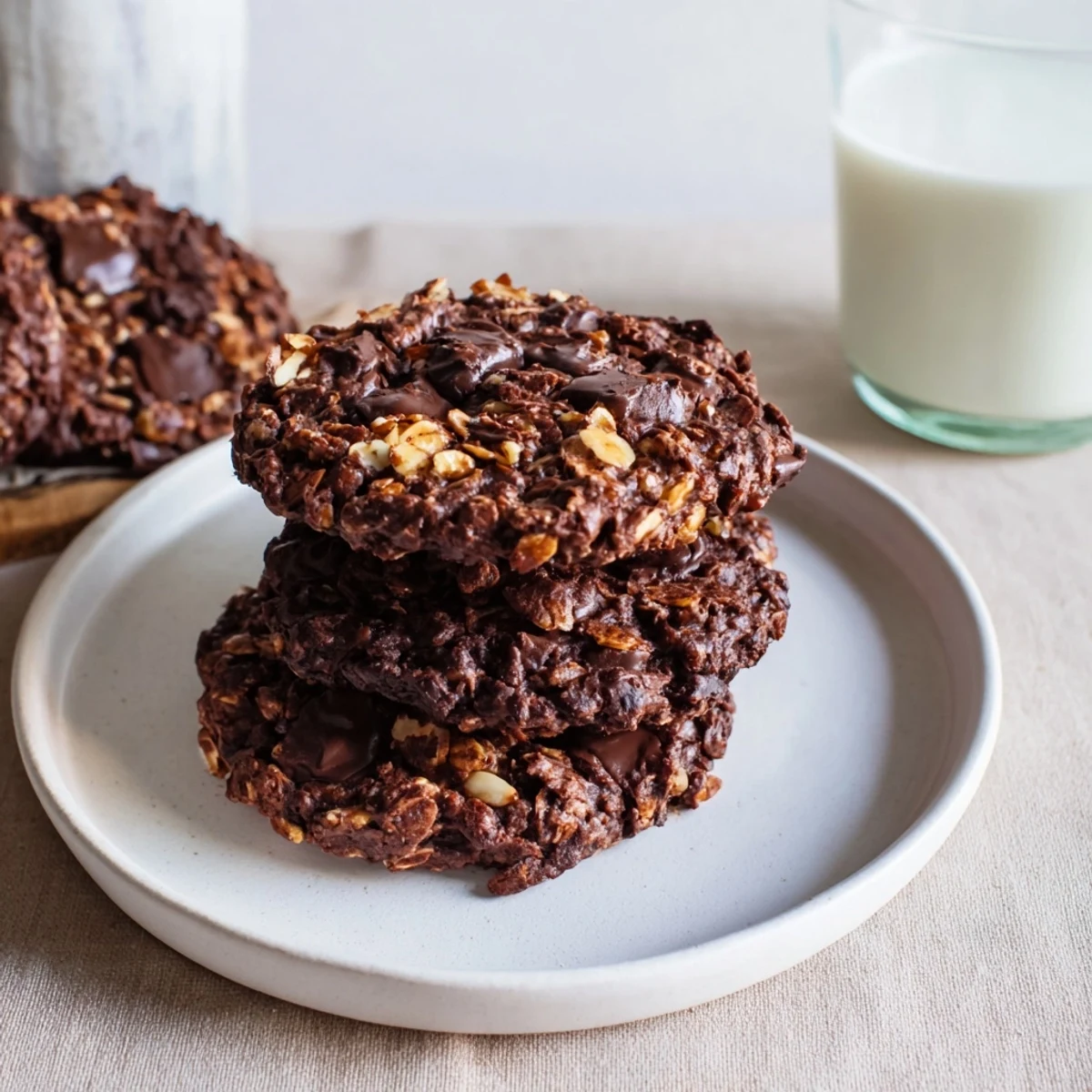
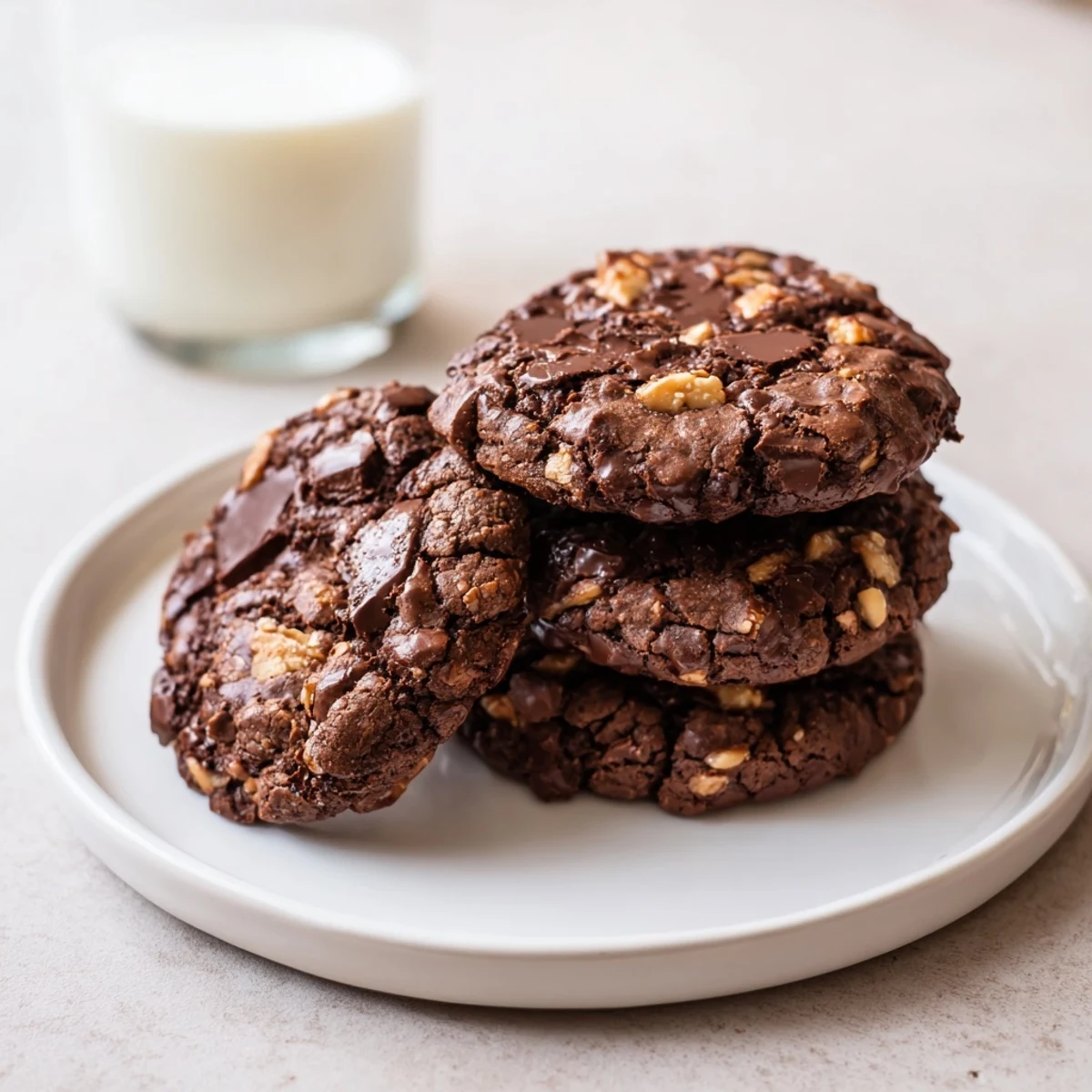
 These gluten-free espresso chocolate almond crunch cookies deliver a rich, chewy texture with a bold coffee kick that pairs beautifully with chunks of dark chocolate and roasted almonds.
Made with a blend of almond flour and tapioca starch, they come together in just 27 minutes from bowl to cooling rack. The instant espresso powder deepens the chocolate flavor while adding a subtle warmth.
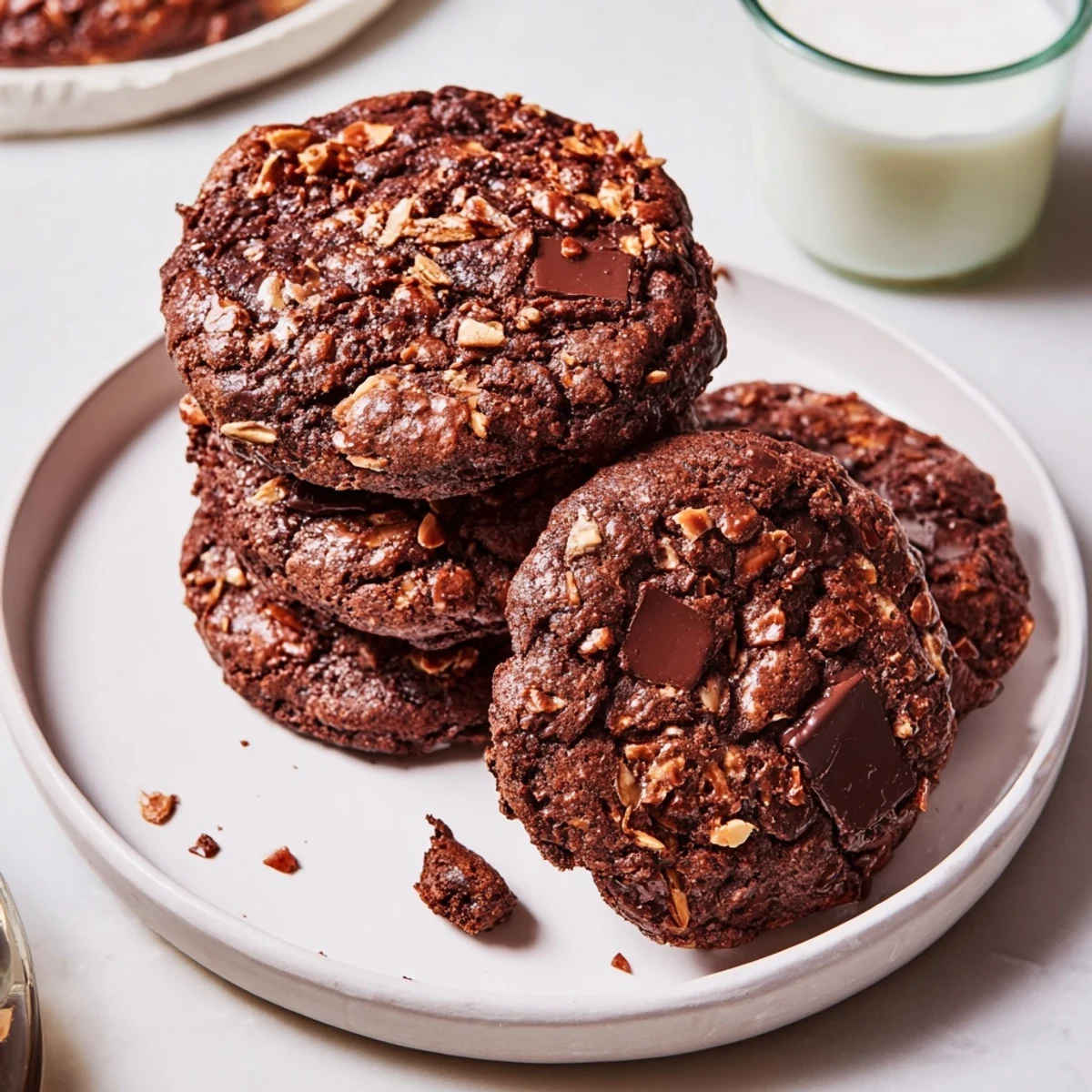
Each cookie is loaded with coarsely chopped dark chocolate and crunchy almonds, creating the perfect balance of soft centers and crisp edges. Ideal for meal prep or an easy weekend baking project.
The smell of espresso hitting cocoa powder stopped me mid sentence on a rainy Tuesday afternoon, and I knew right then that these cookies were going to become a problem. I had been searching for a gluten-free cookie that actually tasted like something worth eating, not a sad compromise. Two batches later, my neighbor knocked on my door asking what perfume I was baking.
I brought a tin of these to a friends potluck where three self professed gluten eaters devoured half the batch before dinner was even served. One of them texted me the next morning asking if I was hiding a bakery somewhere.
Ingredients
- Almond flour (1 1/2 cups, 180 g): Use finely ground, blanched almond flour here, not coarse almond meal, because the texture difference is enormous and affects how the cookie spreads.
- Tapioca starch (1/4 cup, 30 g): This is the secret to getting that chewy bite without gluten, so do not skip or substitute it.
- Unsweetened cocoa powder (1/3 cup, 30 g): Dutch processed gives a smoother, darker result but natural cocoa works beautifully too.
- Instant espresso powder (1 tsp): A small amount that does not make them taste like coffee, it simply amplifies everything chocolatey.
- Baking soda (1/2 tsp): Helps with spread and gives those appealing little cracks on top.
- Fine sea salt (1/4 tsp): Salt is non negotiable in cookies, it balances every note.
- Unsalted butter, melted and slightly cooled (1/2 cup, 120 g): Melted butter creates denser, chewier cookies than creamed butter, which is exactly what we want.
- Light brown sugar, packed (3/4 cup, 150 g): The molasses adds moisture and a caramel warmth that white sugar alone cannot achieve.
- Granulated sugar (1/4 cup, 50 g): A blend of sugars gives you crisp edges and soft centers.
- Large egg (1): Binds everything together and contributes to the chew.
- Pure vanilla extract (1 tsp): Always use pure, never imitation, because you can taste the difference.
- Dark chocolate, coarsely chopped (2/3 cup, 100 g): Chopping your own from a bar creates uneven shards that melt into gorgeous pockets.
- Roasted almonds, coarsely chopped (1/2 cup, 60 g): The crunch factor here is everything, so chop them roughly rather than finely.
Instructions
- Get your oven ready:
- Preheat to 350 degrees F and line two baking sheets with parchment paper. Feel the parchment paper smooth under your hands because this small step saves you from so much sticking heartbreak later.
- Whisk your dry team:
- In a medium bowl, whisk the almond flour, tapioca starch, cocoa powder, espresso powder, baking soda, and salt until no lumps remain. Take a deep breath here because that cocoa espresso smell is absolutely heavenly.
- Build the wet base:
- In a large bowl, whisk the melted butter with both sugars until smooth and glossy, then beat in the egg and vanilla until the mixture looks unified and silky.
- Bring it all together:
- Pour the dry ingredients into the wet and fold gently with a spatula until just combined. Stop when you still see a few streaks of flour because overmixing makes these tough.
- Add the good stuff:
- Fold in the chopped chocolate and roasted almonds with a few confident strokes. Try not to eat half the dough at this stage, though I will not judge if you do.
- Shape the cookies:
- Scoop 1 1/2 tablespoon mounds and place them 2 inches apart on the sheets. They spread more than you expect, so that spacing matters more than you think.
- Bake and watch closely:
- Bake for 10 to 12 minutes until the edges look set but the centers still appear soft and slightly underdone. Pull them at 11 minutes if you like extra fudgy centers.
- Let them rest:
- Cool on the baking sheet for 5 full minutes before moving to a wire rack. This resting time lets them finish cooking and set up perfectly without breaking apart.
 Pin It
 A friend going through a tough breakup stayed on my couch for a week, and I baked these three times during that visit. She told me later that those warm cookies at midnight mattered more than any advice I gave her.
Storing Your Batch
These keep beautifully in an airtight container at room temperature for up to five days, though they rarely last that long in my house. The texture actually improves on day two when the flavors have had time to meld together.
Making Them Dairy-Free
Swap the butter for melted coconut oil in equal measure and you get a slightly more tender cookie with a faint tropical undertone that pairs surprisingly well with espresso. Use a dairy-free dark chocolate bar to keep the whole batch safe for anyone avoiding dairy.
Serving Suggestions and Final Thoughts
These cookies deserve a proper beverage companion, not just a glass of milk.
- A shot of espresso alongside one warm cookie is the kind of afternoon ritual worth protecting.
- Crumble one over vanilla bean ice cream for an impromptu dessert that feels planned.
- Remember that the flaky sea salt sprinkle on top before baking takes these from great to unforgettable.
 Pin It
 Every time I bake these, someone asks for the recipe, and I smile because sharing food that makes people happy is the whole point of cooking.
Recipe Questions & Answers
- → Can I make these cookies without espresso powder?
-
Yes, you can omit the espresso powder entirely. The cookies will still be rich and chocolatey. If you want a substitute, try adding an extra half teaspoon of cocoa powder for deeper chocolate flavor.
- → How should I store these cookies?
-
Store cooled cookies in an airtight container at room temperature for up to 5 days. For longer storage, freeze them in a sealed bag for up to 3 months. Thaw at room temperature before serving.
- → Can I use almond meal instead of almond flour?
-
Almond meal works but will give the cookies a slightly coarser, denser texture. For the best chewy-tender result, use finely ground blanched almond flour. If using almond meal, pulse it a few times in a food processor to refine the texture.
- → What can I substitute for tapioca starch?
-
Arrowroot powder is the best one-to-one swap for tapioca starch in this cookie dough. Cornstarch also works in a pinch, though it may slightly alter the chewiness. Avoid using coconut flour as a substitute, as it absorbs far more liquid.
- → Why are my cookies spreading too much?
-
Over-spreading usually happens when the butter is too warm when mixed. Let your melted butter cool slightly before combining it with the sugars. You can also chill the dough for 30 minutes before scooping to help the cookies hold their shape during baking.
- → Can I use chocolate chips instead of chopped chocolate?
-
Absolutely. Gluten-free dark chocolate chips work great and save prep time. Chopped chocolate bars, however, create those desirable puddles and streaks of melted chocolate throughout each cookie that chips don't quite replicate.