
 Pin It
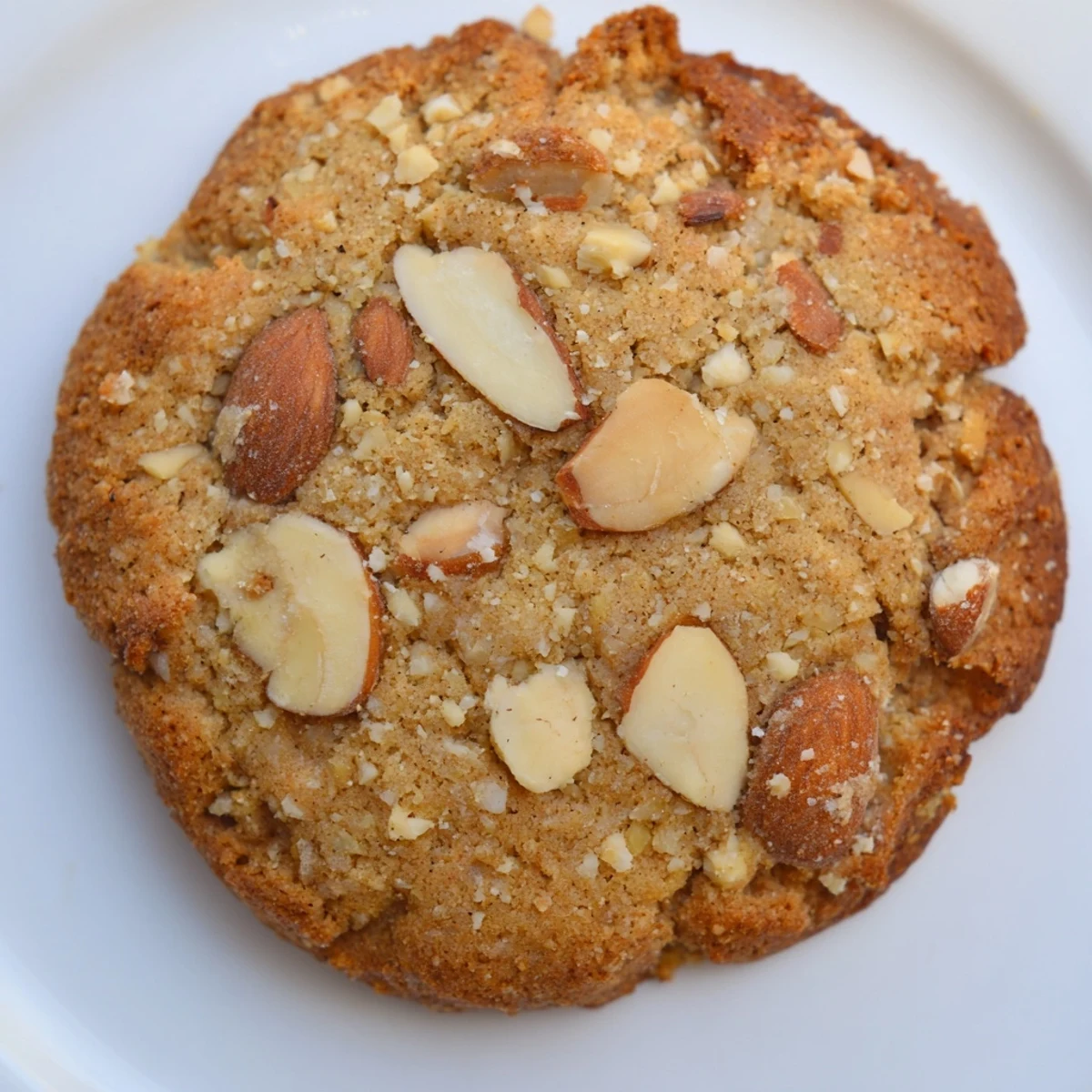
 These buttery, crisp almond cookies combine toasted whole almonds with aromatic cinnamon and nutmeg for a cozy winter treat. Using almond flour and natural sweeteners, they offer a satisfying crunch and warm spice, all while maintaining a low-carb profile suited for conscious lifestyles. Perfectly baked to golden edges, these cookies are ideal for enjoying with coffee or tea during colder months.
I discovered these cookies on a gray January afternoon when a friend dropped by with a bag of roasted almonds from the farmers market. She mentioned she'd been craving something sweet but couldn't eat sugar anymore, and I found myself instantly thinking about almond flour and warm spices. That first batch came together faster than I expected, and the smell of cinnamon and butter filling the kitchen felt like winter itself had decided to bake with me.
My sister tested these at her book club last winter, and three people asked for the recipe before anyone even finished their first cookie. She'd brought them in a vintage tin, and watching people's faces light up when they bit through the crispy edge into that tender almond center reminded me why I love baking things that actually surprise people.
Ingredients
- Almond flour: This is your flour base, and it matters—use blanched almond flour for a lighter color and milder flavor, and make sure it's fresh because rancid almonds will ruin everything.
- Baking powder: Just enough to give these a whisper of lift so they're not dense hockey pucks.
- Fine sea salt: A small but essential pinch that makes the sweetness and spice actually sing.
- Ground cinnamon and nutmeg: These warm spices are what make people ask what makes them taste so good—don't skip them or use old spices from the back of your cabinet.
- Erythritol or monk fruit sweetener: Either works beautifully here; I prefer monk fruit because it doesn't have that cooling aftertaste some people notice with erythritol.
- Unsalted butter: Melted and cooled slightly so it doesn't cook the egg when you combine them.
- Large egg: This binds everything and adds moisture, so don't try to substitute it.
- Vanilla and almond extracts: A teaspoon of each creates depth that plain butter cookies don't have.
- Toasted whole almonds: Roughly chopped so you get actual pieces to bite into—toasting them yourself makes an enormous difference in flavor.
Instructions
- Heat your oven and prep:
- Set the oven to 350°F and line your baking sheet with parchment paper while it preheats. This temperature is gentle enough to avoid burning the almond flour while cooking the cookies through.
- Whisk the dry team:
- In a medium bowl, combine almond flour, baking powder, salt, cinnamon, nutmeg, and sweetener. The goal is to break up any clumps and distribute the spices evenly so every cookie tastes the same.
- Mix the wet ingredients:
- In a larger bowl, whisk together cooled melted butter, egg, vanilla, and almond extract until you have a smooth, homogeneous mixture. This emulsifies everything and sets you up for a dough that comes together beautifully.
- Bring them together:
- Pour the dry ingredients into the wet mixture and stir until just combined—you should have a thick, slightly sticky dough that holds together when squeezed. Don't overmix or you'll make the cookies tough.
- Fold in the almonds:
- Gently fold in your chopped toasted almonds so they're evenly distributed throughout the dough. You want every cookie to have that satisfying almond presence.
- Portion and press:
- Using a tablespoon or cookie scoop, drop dough balls onto your parchment-lined sheet with about 2 inches between each one. Flatten them slightly with your fingers or the back of a spoon so they bake evenly.
- Bake until golden:
- Bake for 12 to 15 minutes—the edges should be a light golden brown while the centers are still just set. If you bake too long, they'll be dry; if not long enough, they'll be gummy.
- Cool properly:
- Let them rest on the baking sheet for 5 minutes so they firm up, then transfer to a wire rack to cool completely. This prevents them from becoming soft and cakey.
 Pin It
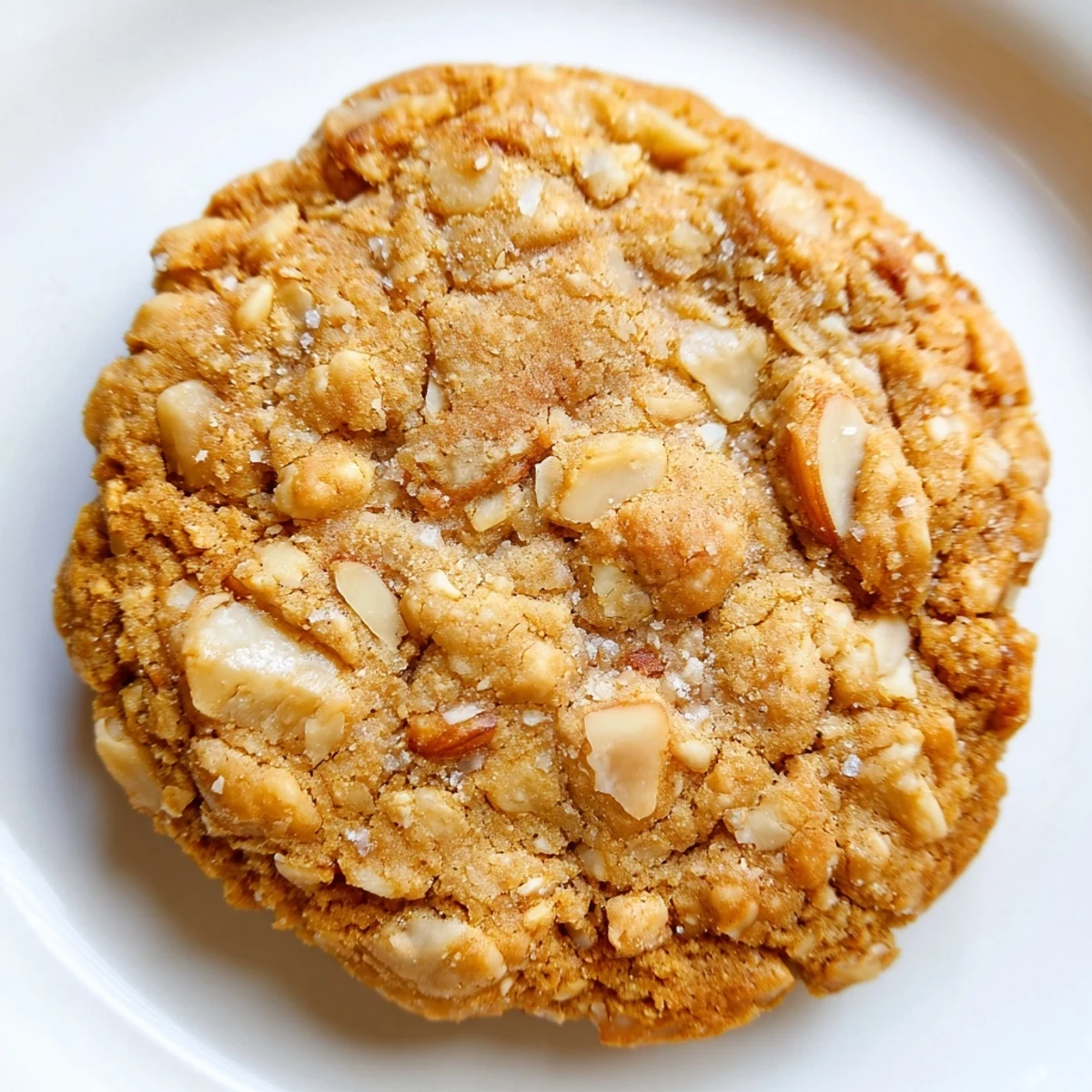
 There's something quietly perfect about a cookie that doesn't pretend to be something it's not. These sit on the counter, golden and humble, and somehow they've become the thing people ask me to bring to winter gatherings—not because they're 'keto cookies,' but because they're just genuinely delicious.
Why Almond Flour Works Here
Almond flour brings a natural richness that all-purpose flour can't match, and it creates a tender crumb without any gluten to make things chewy or tough. The slight nuttiness also pairs perfectly with the spices, so the cookies taste elegant without being fussy. I've tried making these with coconut flour before—don't—because coconut dominates the flavor and makes them dry no matter what you do.
The Secret of Toasted Almonds
Toasting your own almonds rather than buying pre-toasted ones changes everything about how these cookies taste. The heat deepens the almond flavor from mild and creamy to nutty and almost caramel-like, and it adds a textural contrast that makes each bite interesting. I toast mine in a dry skillet for about 5 minutes, stirring often, until they smell absolutely amazing but haven't turned dark brown yet.
Making Them Your Own
Once you've made these a few times, they become a canvas for whatever warm spices you're craving. The base is forgiving enough to handle tweaks, and the flavor is subtle enough that additions enhance rather than overwhelm. Here are the adjustments I've loved most:
- Add a pinch of ground clove or ginger if you want them deeper and more complex, but start small because these spices are potent.
- Swap the almonds for pecans, walnuts, or macadamia nuts depending on what you have or what you're craving.
- A tiny splash of maple extract instead of almond extract gives them a different kind of warmth that's beautiful in winter.
 Pin It
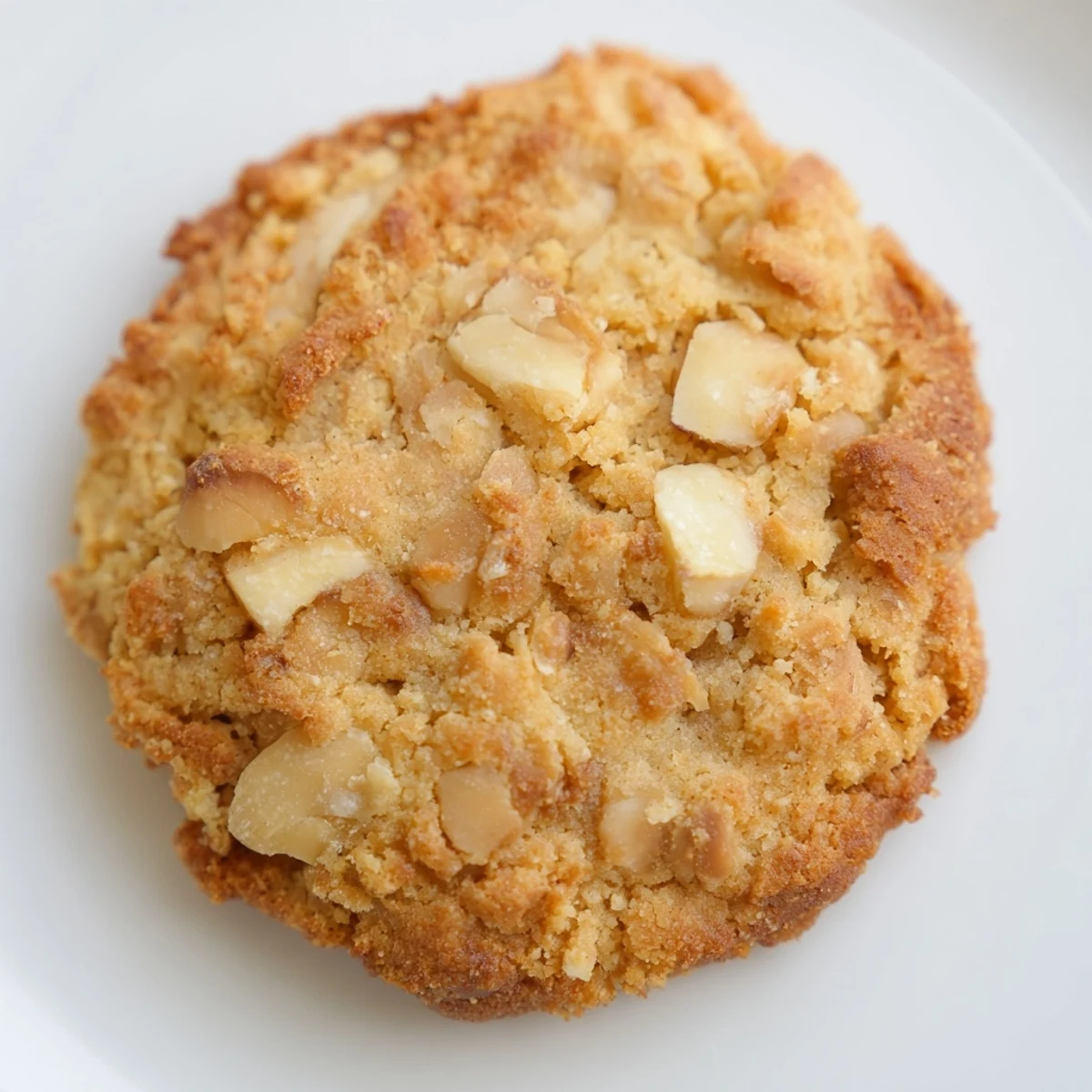
 These cookies have become my winter answer to that 4 o'clock moment when you want something sweet and satisfying without the guilt. They keep for a week in an airtight container, though honestly, they rarely last that long.
Recipe Questions & Answers
- → What type of flour is used for these cookies?
-
Almond flour is used to provide a moist texture and nutty flavor while keeping the carbohydrates low.
- → Can I substitute the sweetener?
-
Yes, erythritol or monk fruit sweetener are recommended to keep these treats low in sugar and carbs.
- → How do the spices enhance the flavor?
-
Cinnamon and nutmeg add warmth and depth, creating a cozy winter taste complementing the toasted almonds.
- → Are the cookies suitable for gluten-free diets?
-
Absolutely, using almond flour makes these naturally gluten-free and suitable for those avoiding gluten.
- → What baking tools are necessary?
-
You’ll need mixing bowls, a whisk, a baking sheet lined with parchment, and a cookie scoop or tablespoon.