
 Pin It
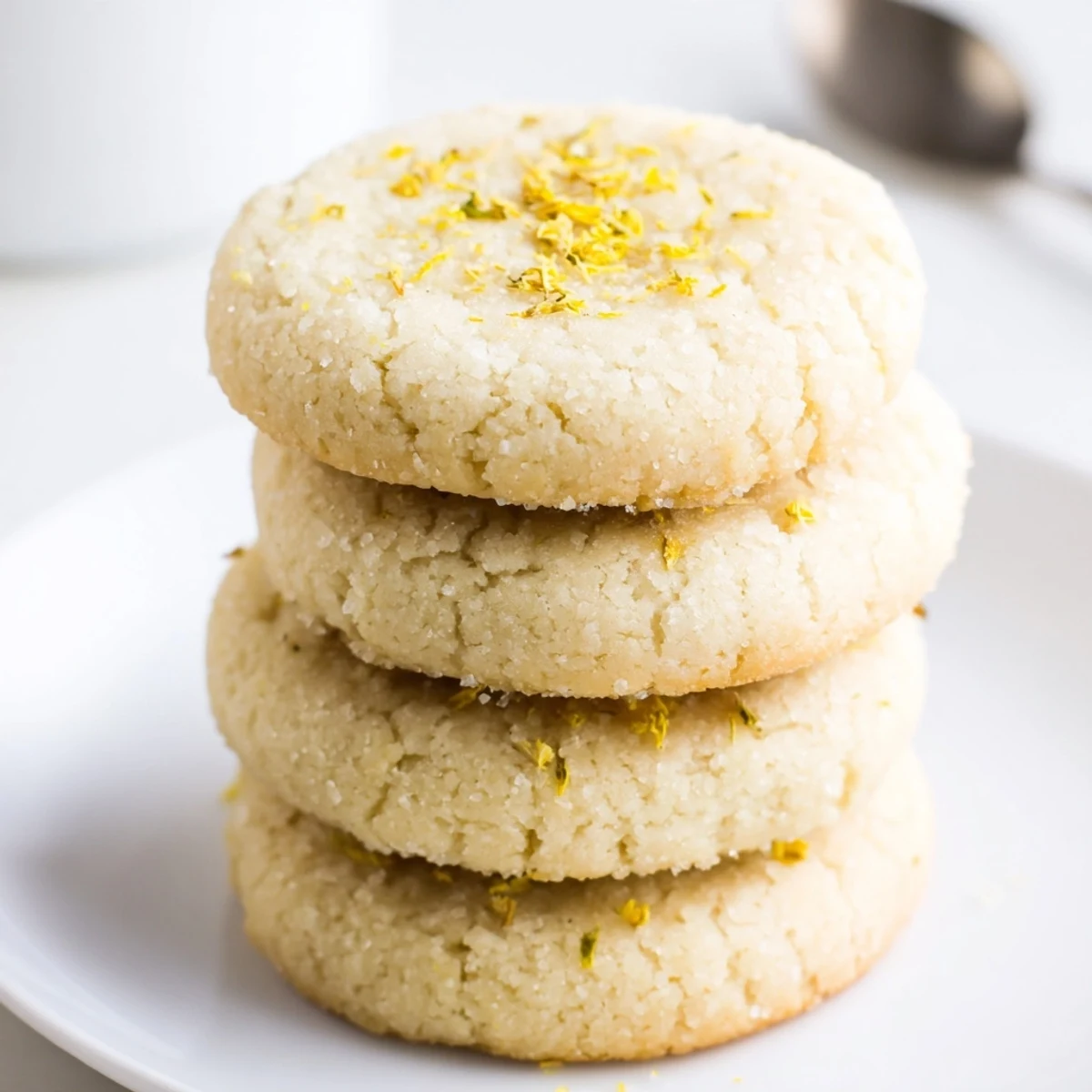
 Vegan vanilla jasmine sugar cookies: make jasmine sugar by grinding dried flowers with granulated sugar, whisk with flour, baking powder/soda and salt. Stir in melted coconut oil, plant milk and vanilla until a soft dough forms. Scoop, flatten and bake 10–12 minutes at 350°F. Yield about 24 tender, fragrant cookies; cool on a rack before storing.
The jitters of a rainy Sunday afternoon faded the moment the scent of jasmine sugar wafted through my kitchen, swirling its gentle floral perfume among the clatter of mixing bowls. I stumbled upon this cookie idea while tinkering with an old vanilla recipe and a neglected jar of dried jasmine—curiosity tipped the scales. As the dough came together, each ingredient promised a touch of comfort, made even sweeter when I realized these cookies were, by nature, completely vegan. Sometimes improvisation delivers the best surprises, and now these sugar cookies reliably brighten my tea breaks.
The first time I baked these, my friend dropped by just as I pulled the trays out; together, we debated whether to wait for cooling or risk burning our tongues. We opted for impatience, laughing as we blew on hot cookies and watched fog billow toward the window. He decided these, paired with jasmine tea, were his new secret de-stress ritual. Ever since, I bake a double batch if company might appear.
Ingredients
- All-purpose flour: Gives these cookies their tender crumb, and sifting prevents lumps—I learned a quick whisk works if I’m lazy.
- Baking powder & baking soda: Just a touch lifts the dough for perfect softness, but don’t over-measure or you’ll lose that dainty texture.
- Fine sea salt: Cuts the sweetness ever-so-slightly, making the floral notes shine brighter.
- Dried edible jasmine flowers: Go for food grade—the kind you’d use in tea—since even a pinch of bitter petals can alter the flavor.
- Granulated sugar: Processing it with jasmine makes the kitchen smell like a spring morning.
- Refined coconut oil: The choice for a subtle base that lets vanilla and jasmine sing; make sure to melt and cool it for fuss-free mixing.
- Unsweetened plant-based milk: Any variety works, but oat milk gives the most delicate finish in my experience.
- Pure vanilla extract: Two teaspoons may seem bold, but it’s what cozies up to the jasmine and makes these unforgettable.
Instructions
- Prepare your oven and pans:
- Set the oven to 350°F and line two baking sheets with parchment paper so nothing sticks—trust me on this.
- Create jasmine sugar:
- Add dried jasmine flowers and sugar to a food processor or spice grinder, pulsing until the scent is so fragrant you’ll know it’s ready.
- Mix the dry:
- Whisk together jasmine sugar, flour, baking powder, baking soda, and salt in a spacious bowl; the sugar may clump but a quick shuffle breaks it up.
- Whisk the wet:
- In a separate bowl, combine cooled melted coconut oil, your favorite plant-based milk, and vanilla, whisking until glossy.
- Make the dough:
- Stir wet mixture into dry ingredients, watching it transform into a soft, almost floral dough that’s a dream to scoop.
- Shape and arrange:
- Scoop out tablespoon-sized balls, roll gently, and set them on the trays with enough space—flatten each with your palm or a glass for even baking.
- Bake to perfection:
- Bake 10-12 minutes, peeking to see if edges are just golden—resist overbaking for chewy centers.
- Cool and finish:
- Let them rest on the trays for five minutes before moving to a wire rack, where their scent will make waiting almost impossible.
 Pin It
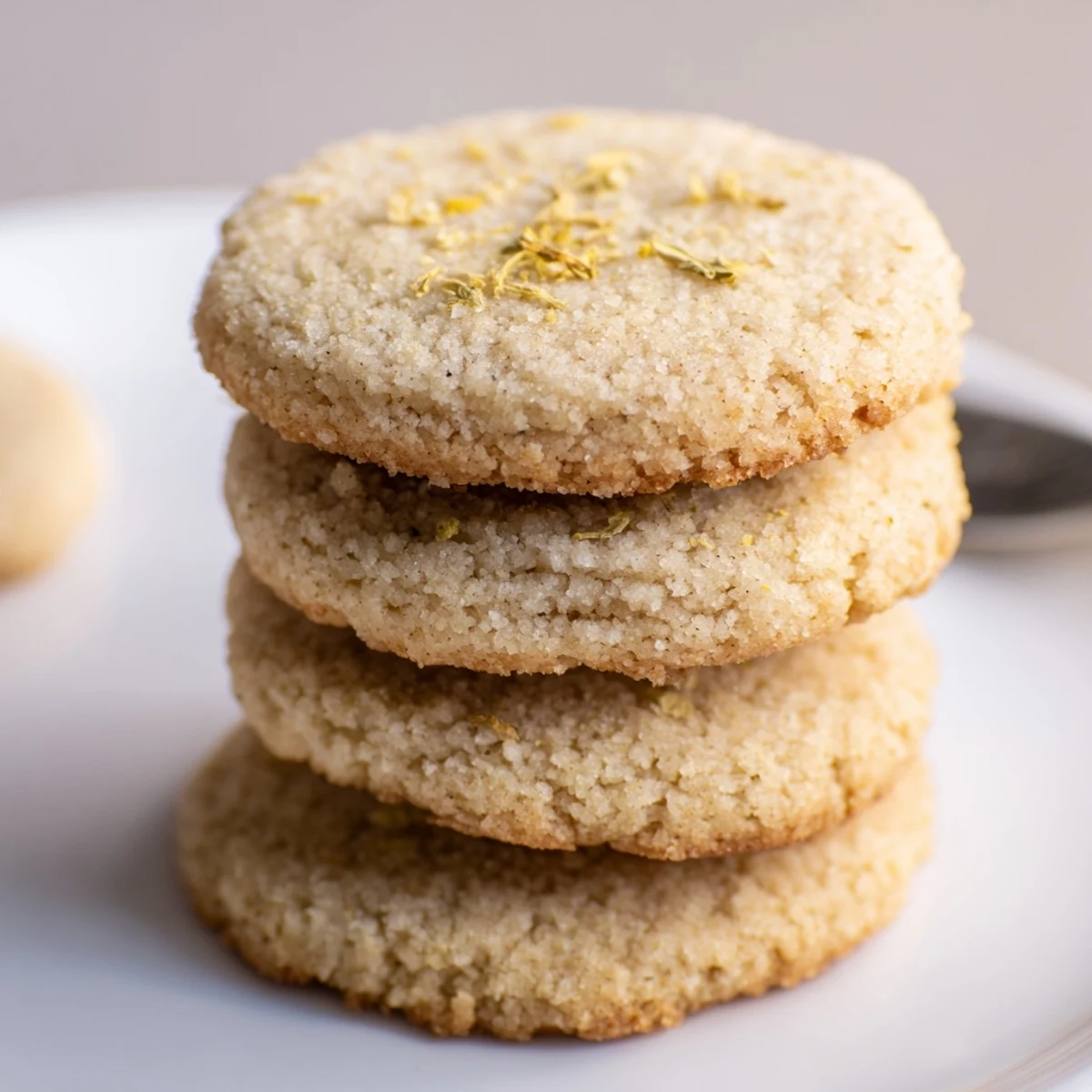
 These cookies turned a stormy afternoon into something memorable, filling the house with enough warmth and perfume to make even gray light feel golden. A friend messaged later, begging for the recipe, and now sending it is as much a tradition as serving the cookies.
The Magic of Jasmine in Baking
I used to associate jasmine solely with tea or perfume, never imagining it could play so well with vanilla in a cookie. The trick is not to overpower; too much, and you end up with potpourri, so I measure gently and savor the floral undertones that peak with every bite.
Keeping Your Cookies Fresher for Longer
I discovered after several batches that a simple airtight container really does keep these cookies airy and fragrant for nearly a week. Tuck in a sheet of parchment to help them hold their tenderness and prevent sticking if you’re stacking layers.
When to Serve (And Savor) Them
Though perfect at teatime, these cookies earned compliments at brunch and were a low-key showstopper for a late-night snack with friends. Their delicacy means they’re at home on a fancy plate or crumbled into vegan ice cream for something spontaneous.
- If gifting, double wrap with wax paper to preserve their scent.
- Underbake by a minute for extra softness the next day.
- If stacking, cool completely—warm cookies get fragile fast.
 Pin It
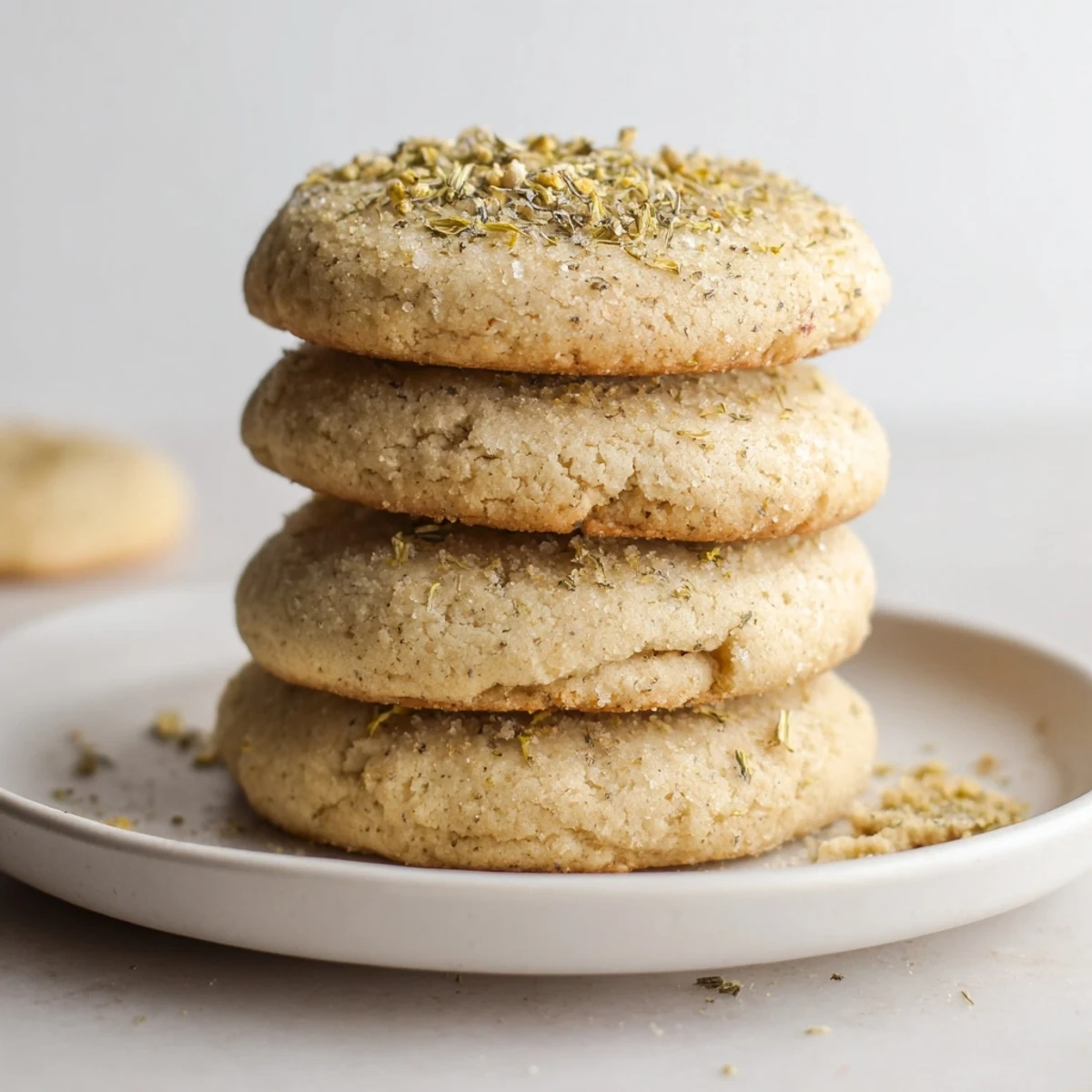
 Baking these sugar cookies feels like a tiny celebration, whether you’ve got company or simply want something bright for yourself. May each bite bring the comfort and little surprise that first inspired me.
Recipe Questions & Answers
- → How do I get a strong jasmine aroma?
-
Grind dried edible jasmine with granulated sugar until fragrant to release oils. For more depth, warm the plant milk with extra jasmine, steep 10–15 minutes, then strain before using.
- → Can I swap coconut oil for another fat?
-
Yes. Use equal parts vegan butter for a richer, slightly crumblier texture. Melted coconut oil yields a tender, crisp edge; vegan butter adds more flavor and softness.
- → How do I keep cookies soft and not dry?
-
Avoid overmixing once wet and dry ingredients are combined. Bake until edges just begin to color, then cool on the sheet briefly before transferring to a rack to finish setting.
- → What’s the best way to store them?
-
Store cooled cookies in an airtight container at room temperature for up to 5 days. Freeze baked cookies in a single layer, then transfer to a freezer-safe bag for up to 3 months.
- → Can I use fresh jasmine or other flowers?
-
Use only food-grade dried jasmine for consistent flavor. Fresh flowers can be bitter or watery; lavender or rose (food-grade) are good alternatives in similar small amounts.
- → Are these suitable for nut-allergic eaters?
-
The dough contains wheat and may contact tree nuts if using almond milk or coconut products. Use oat or soy milk and check labels for cross-contamination to reduce nut risk.