
 Pin It
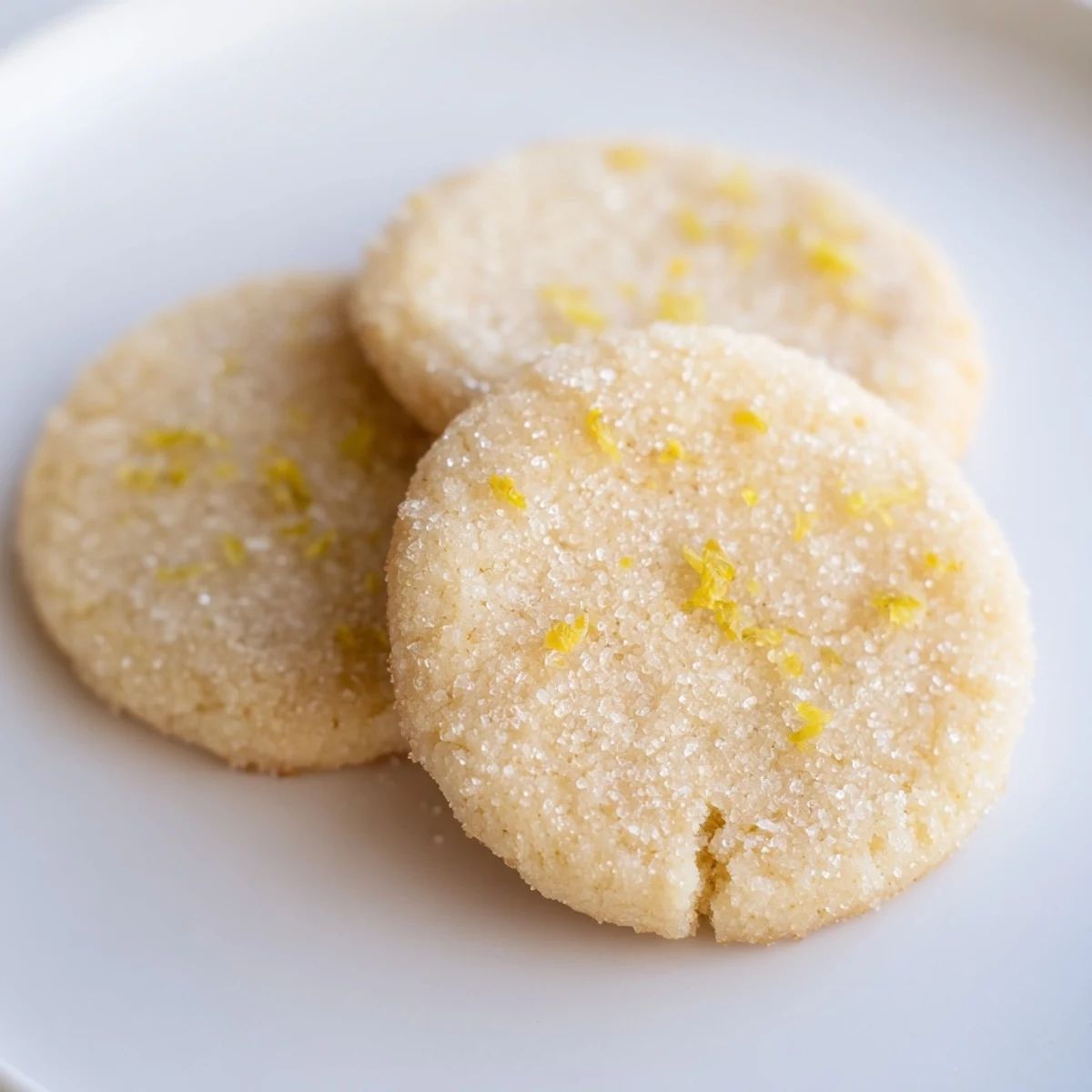
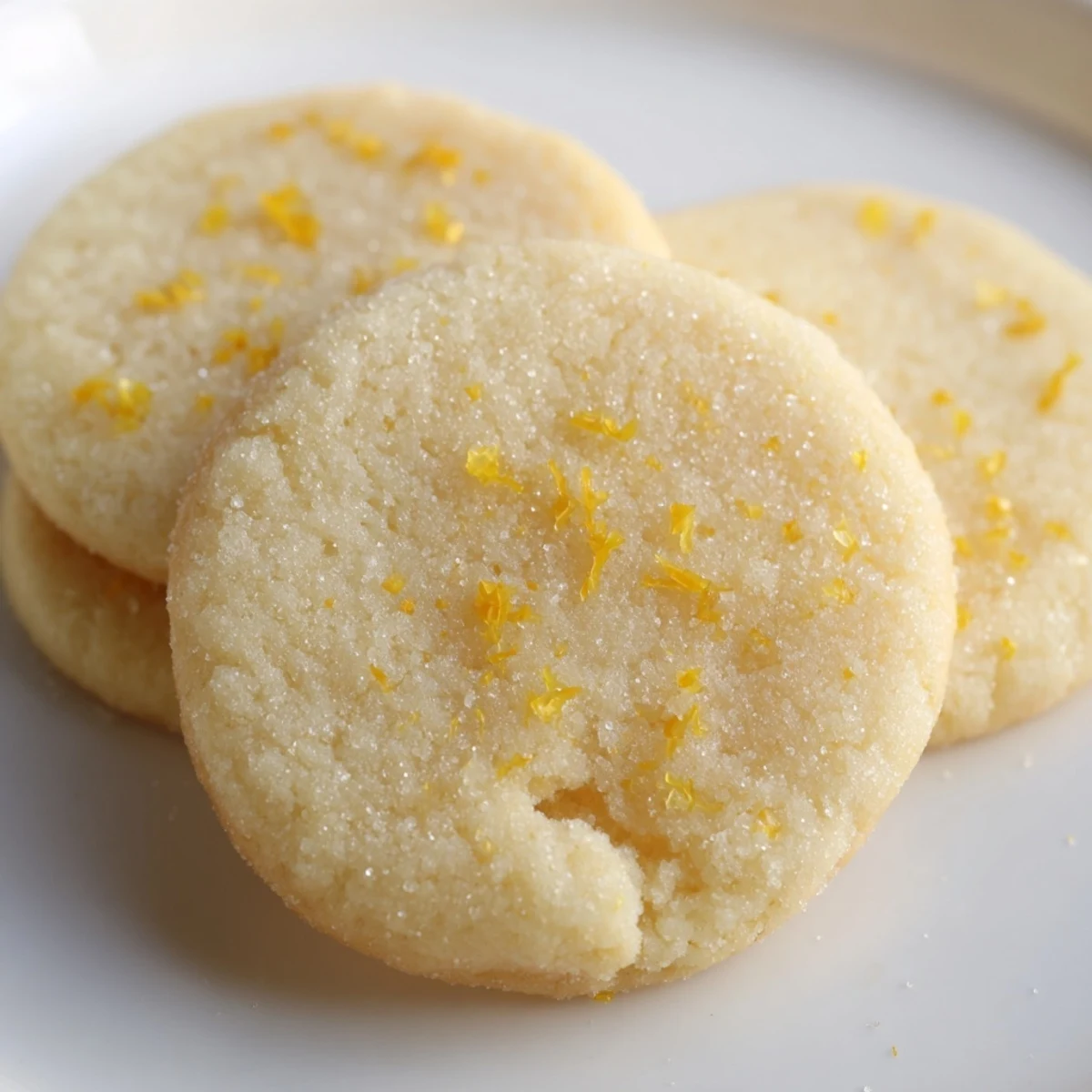
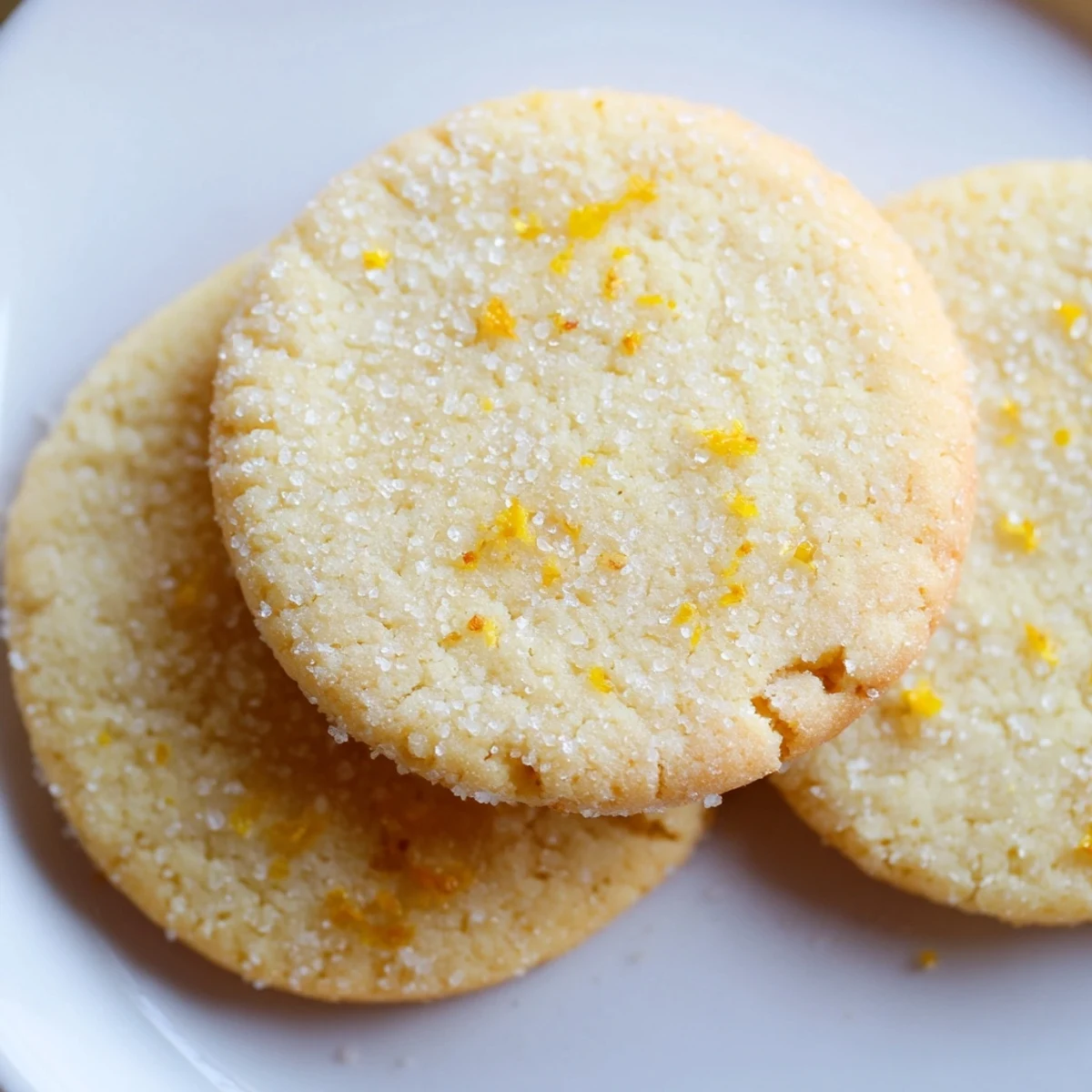
 These delicate sugar cookies combine the bright, refreshing essence of calamansi—a small citrus fruit with lime-like notes—with warm vanilla sweetness. The coconut oil base creates an exceptionally tender crumb, while the citrus-zest coating adds an irresistible crunchy, sugary exterior.
Simple to prepare with basic pantry ingredients, these cookies come together quickly and bake to golden perfection. The calamansi juice provides natural acidity that balances the sweetness, resulting in a sophisticated flavor profile that appeals to everyone, not just those following a plant-based lifestyle.
Perfect for afternoon tea, dessert platters, or as homemade gifts, these cookies store beautifully for several days. The dough can also be refrigerated for later baking, making them ideal for advance preparation.
The first time I encountered calamansi was at a Filipino market, where these tiny green citrus fruits sat piled like emerald jewels. The vendor told me they pack more flavor than their size suggests, and she was right something about the way their brightness cuts through sweetness feels like discovering a secret ingredient. I started experimenting with them in everything, but these cookies became the one recipe I couldn't stop making.
Last summer, I brought a batch to a potluck where my friend's daughter, who claims to dislike anything vaguely 'healthy' or plant-based, ate three before asking what made them different. Watching her eyes light up at that first bright, vanilla-scented bite reminded me why sharing food matters. Sometimes the simplest cookies become the ones people remember most.
Ingredients
- Coconut oil: I learned the hard way that measuring melted coconut oil requires patience let it sit in the warm bowl for a minute before whisking to prevent seizing when you add cold liquids
- Calamansi juice: Fresh is absolutely worth the effort here, but if you must substitute lime, add a tiny pinch of extra zest to compensate for calamansi's unique floral brightness
- Plant milk: Any unsweetened variety works, but I've found oat milk creates the most tender crumb while soy provides a slightly sturdier structure
- All-purpose flour: Don't be tempted to add more the dough will feel slightly sticky and that's exactly what produces that melting texture
- Calamansi zest: Zest your fruit before juicing, and really press the zest into the sugar coating to release those aromatic oils
Instructions
- Prep your baking space:
- The oven needs to be fully at 350°F before these hit the heat, and parchment paper prevents any sticking drama later
- Whisk the melted coconut oil and sugar:
- Take your time here until the mixture looks almost glossy, about 2 minutes of whisking creates the right base for tender cookies
- Add the liquids:
- Pour in calamansi juice, plant milk, and vanilla, whisking until everything blends into a smooth, pale mixture
- Mix dry ingredients separately:
- Sifting might feel like extra work, but it prevents those tiny flour lumps that ruin an otherwise perfect bite
- Combine wet and dry:
- Stir gently just until you can't see flour anymore, and trust that the dough will feel softer than you expect
- Make the sugar coating:
- Rub the zest into the sugar with your fingers until it becomes fragrant and slightly yellow this step is worth the extra minute
- Shape and coat:
- Scoop uniform tablespoons, roll them into rounds, then press each one firmly into the sugar mixture so every inch gets covered
- Arrange and flatten:
- Space them about two inches apart and press gently with your palm, not too thin, just enough to encourage even baking
- Bake to golden edges:
- Watch closely after 11 minutes you want the barest hint of color at the edges while centers still look slightly underbaked
- Cool completely:
- Let them rest on the baking sheet for 5 minutes then move them, as they firm up beautifully during that cooling window
 Pin It
 My neighbor started leaving empty containers on my porch with increasingly specific notes about how many cookies she needed for her book club. There's something profoundly satisfying about creating something so simple that people build little rituals around it.
Getting That Perfect Texture
I've made dozens of batches testing different ratios, and the key is stopping the moment edges turn pale golden. The centers should still look soft when you pull them out. They'll firm up as they cool, creating that contrast between crisp edges and tender middles that makes these cookies sing.
Working with Calamansi
If you're lucky enough to find fresh calamansi, roll each one on your counter before cutting to release more juice. And always zest before juicing trying to zest a squeezed fruit is frustrating and wasteful. The zest carries so much of that distinctive floral citrus note that defines these cookies.
Making Them Your Own
While I love the classic version, I've started experimenting with tiny variations. Sometimes I'll add a pinch of cardamom to the dough, or mix a little coconut sugar into the coating for deeper caramel notes. The recipe forgives small tweaks beautifully.
- Try adding 1/2 teaspoon of almond extract alongside the vanilla for a more complex flavor profile
- A handful of chopped macadamia nuts folded into the dough adds lovely buttery crunch
- For a festive twist, add a drop of natural orange food coloring to the dough for a sunset hue
 Pin It
 These cookies have become my go-to for everything from quiet afternoons with tea to crowded celebrations. Sometimes the simplest recipes, made with care and a bit of citrus brightness, become the ones that mean the most.
Recipe Questions & Answers
- → What does calamansi taste like?
-
Calamansi has a bright, tart flavor similar to a cross between lime and mandarin orange. It's more aromatic than regular lime with a unique citrus profile that adds complexity to baked goods.
- → Can I substitute calamansi with other citrus fruits?
-
Yes, lime is the closest substitute and works beautifully in this recipe. Lemon or a combination of lemon and lime juice can also be used, though the flavor profile will be slightly different.
- → Why use coconut oil instead of vegan butter?
-
Coconut oil creates a lighter, more delicate texture in these cookies. However, vegan butter works equally well if you prefer a richer flavor. Both yield excellent results.
- → How do I know when the cookies are done baking?
-
The cookies are ready when the edges are lightly golden. The centers may still appear slightly soft, but they will firm up as they cool. Avoid overbaking to maintain tenderness.
- → Can I freeze the dough or baked cookies?
-
Both freeze well! Freeze scooped dough balls on a tray, then transfer to a freezer bag for up to 3 months. Bake from frozen, adding 1-2 minutes to the baking time. Baked cookies freeze for up to 2 months.
- → Why is the dough chilled before rolling in sugar?
-
Chilling the dough for 15-20 minutes makes it easier to handle and prevents the cookies from spreading too much during baking, resulting in thicker, tender cookies.