
 Pin It
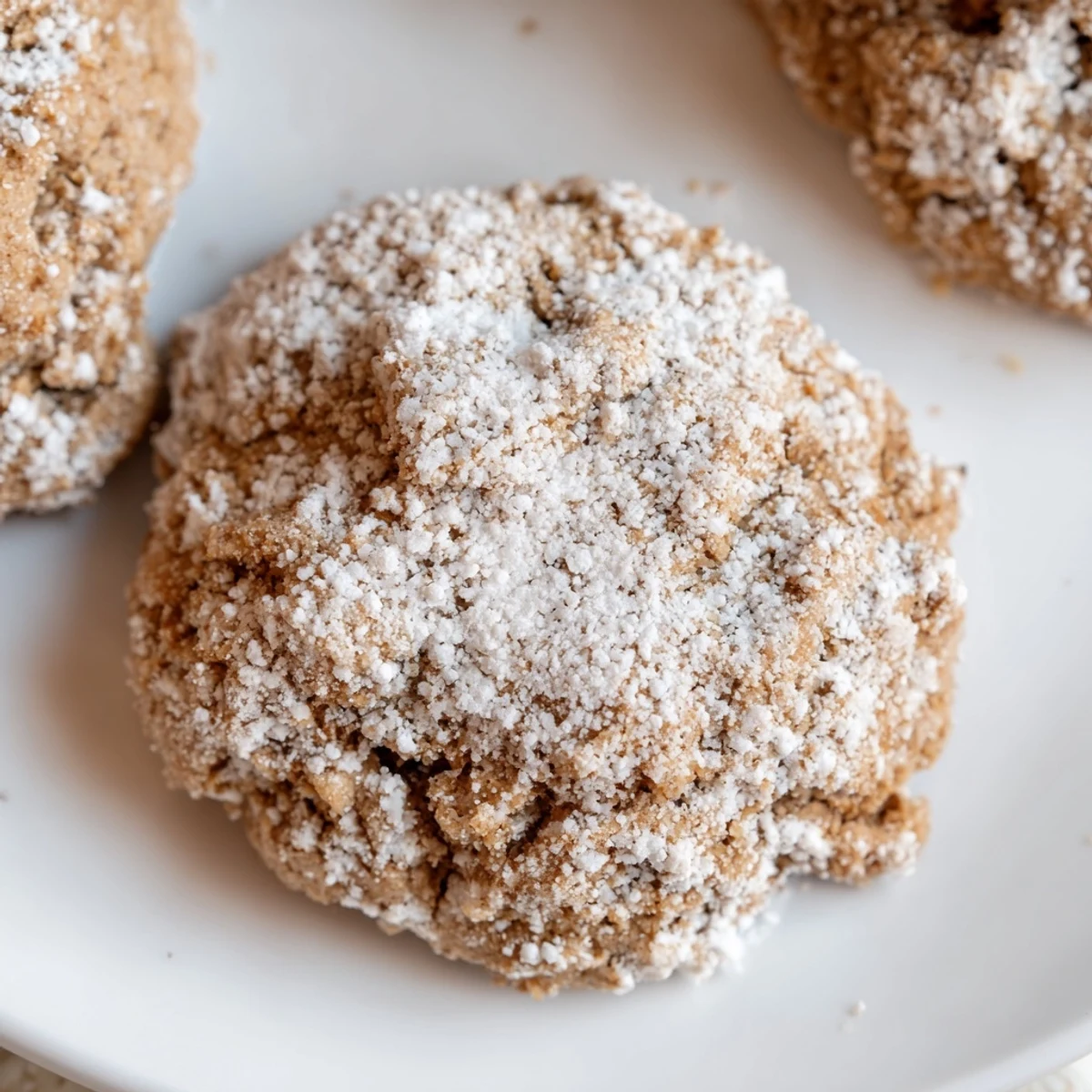
 These low-carb cookies blend almond and coconut flours with a warming mix of cinnamon, ginger, nutmeg, and cloves. Softened butter and vanilla enrich the dough, rolled in cinnamon-erythritol for a sweet spice coating. Baked to a delicate golden edge, they offer a fragrant, cozy flavor perfect for pairing with herbal teas or keto hot chocolate. Easy to prepare in under 30 minutes, these treats suit gluten-free and keto lifestyles. Variations allow dairy-free substitutes like coconut oil or ghee for diverse preferences.
A few winters back, I found myself standing in my kitchen on a grey afternoon, holding a half-empty jar of cinnamon and wondering what to do with it. My daughter had just started the keto diet, and I wanted to make her something she could actually enjoy without feeling deprived. That's when these cookies came together, almost by accident—warm spices that smell like the entire season is baking in your oven, but with none of the guilt. They've become our quiet ritual on cold mornings.
I remember the first time I served these to my book club, I was nervous they'd taste "keto"—that flat, weird aftertaste a lot of low-carb baking has. Instead, everyone kept reaching for another, and one friend asked if I'd finally learned to bake properly. I didn't tell her they were keto. Sometimes the best kitchen wins are the ones nobody suspects.
Ingredients
- Almond flour: The backbone of these cookies, giving them a tender crumb that actually feels like real baking, not a compromise. Make sure it's finely ground or your cookies will taste grainy.
- Coconut flour: Just enough to add structure without making them dry—it's a balancing act, and this amount is the sweet spot I found after a few batches.
- Powdered erythritol: The keto sweetener that doesn't leave a bitter aftertaste like some others do. If you prefer monk fruit or allulose, the measurements stay the same.
- Cinnamon, ginger, nutmeg, cloves, and allspice: These five spices are what make the house smell like heaven. Don't skip any of them—they work together in a way that tastes like the season itself.
- Baking soda: Just enough to help them rise slightly and get those lightly golden edges that signal they're done.
- Butter: Softened and creamy, it's what makes these cookies have that melt-in-your-mouth quality. Cold butter will leave lumps that won't blend properly.
- Egg and vanilla: These bind everything together and add a subtle richness that makes the spices shine instead of feeling sharp.
Instructions
- Get your oven ready and gather your mise en place:
- Preheat to 350°F and line your baking sheet with parchment paper. There's something grounding about laying out all your ingredients before you start—it keeps you from scrambling halfway through.
- Whisk the dry ingredients into one bowl:
- Combine your almond flour, coconut flour, sweetener, all five spices, baking soda, and salt. Give it a good whisk so the spices are evenly distributed—you want every cookie to taste the same, not just the last one.
- Cream your butter and beat in the wet ingredients:
- Soften that butter first, then beat it until it's pale and fluffy. Add your egg and vanilla, mix until smooth. This step is easier with a hand mixer, but a whisk and some elbow grease works too.
- Combine wet and dry with patience:
- Gradually fold the dry mixture into the wet, stirring until a soft dough forms. Don't overmix—as soon as everything comes together, you're done. Overmixing makes these cookies tough.
- Prepare your rolling mixture:
- Mix the powdered erythritol and cinnamon in a small bowl. This is your flavor-boosting coating, so don't skip it.
- Shape and coat each cookie:
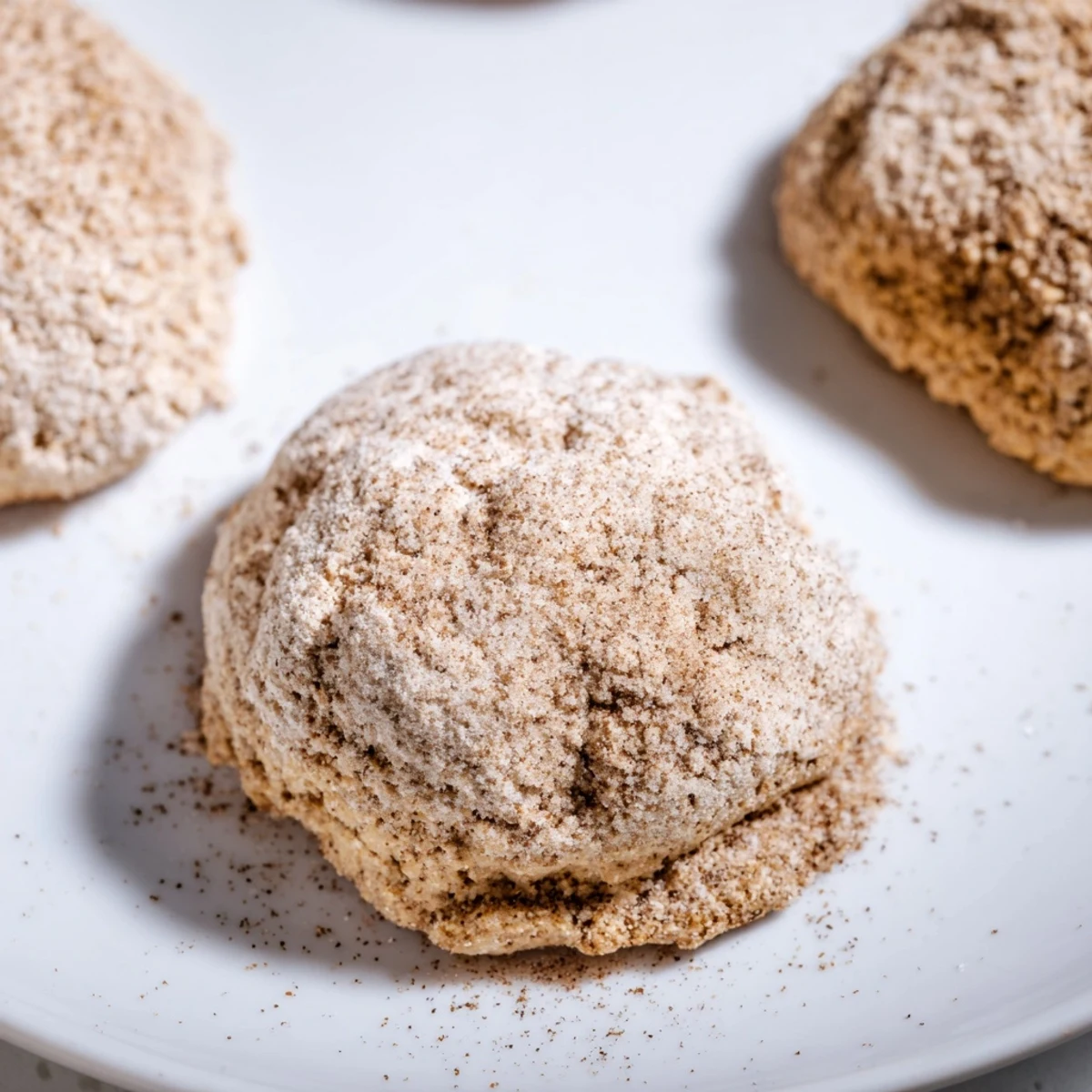
- Scoop a tablespoon of dough, roll it into a ball with your hands, then roll it in that cinnamon-erythritol mixture until it's fully coated. The coating is what gives them that bakery-quality finish.
- Flatten and space them properly:
- Place each ball on your prepared sheet about 2 inches apart—they'll spread slightly. Gently flatten each one with your palm or the bottom of a glass so they bake evenly.
- Bake until edges are set:
- 10 to 12 minutes, watching for the edges to turn lightly golden. They'll still feel soft in the center, which is perfect—they'll firm up as they cool.
- Cool with intention:
- Let them sit on the hot baking sheet for 5 minutes to firm up, then transfer to a cooling rack. This prevents them from continuing to cook and getting hard.
 Pin It
 There was a moment last December when my partner came home to the smell of these cookies baking, and he just sat at the kitchen table without saying anything, eyes closed. Sometimes food is just food, but sometimes it's a way of saying I was thinking of you this morning. These cookies became that for us.
The Spice Story Behind These Cookies
Cinnamon, ginger, nutmeg, cloves, and allspice aren't just random—they're the flavor profile of winter itself, the taste of every holiday dessert and warming drink we reach for when it's cold outside. When I was first developing this recipe, I realized that most keto cookies taste diet-adjacent because they're missing the spice depth. These five work together to create something that's complex enough to feel indulgent, warm enough to feel comforting, and interesting enough that your brain doesn't register them as "low-carb cookies"—they're just cookies, the kind you'd reach for anyway.
Why This Texture Works
The combination of almond and coconut flour creates a specific texture that's almost impossible to replicate with other low-carb flours. Almond flour alone makes them greasy and dense. Coconut flour alone makes them dry and crumbly. Together, in this exact ratio, they create something with a tender crumb and subtle richness that actually compares to regular cookies. I tested this about ten different ways, and this is the formula that finally worked.
Making These Your Own
These cookies are forgiving once you understand the baseline. I've added a pinch of black pepper for subtle heat, swapped in cardamom for extra complexity, and even made a chai-spiced version by reducing the cinnamon and adding more ginger and cloves. The sweetener is flexible too—if you hate erythritol, use monk fruit or allulose in the same amounts. The only thing you shouldn't swap is the butter, because the fat is what makes them tender.
- For extra spice, add a pinch of black pepper or increase the cardamom to see how it changes the flavor profile.
- Store these in an airtight container and they'll stay fresh for a week, though they rarely last that long in my house.
- If you're making these for someone who doesn't eat keto, they won't know the difference—these taste like real cookies, period.
 Pin It
 These cookies remind me that eating well doesn't mean eating bland. Every time I make them, I'm reminded that the best recipes are the ones that fit into your life without feeling like a compromise. That's when food stops being about restriction and becomes about joy.
Recipe Questions & Answers
- → What spices create the flavor profile?
-
Cinnamon, ginger, nutmeg, cloves, and allspice combine to give a warm, seasonal spice blend.
- → Can I use a different sweetener?
-
Yes, powdered erythritol can be substituted with preferred keto-friendly sweeteners.
- → How can I make these dairy-free?
-
Replace softened butter with coconut oil or ghee to suit dairy-free needs.
- → What texture should I expect?
-
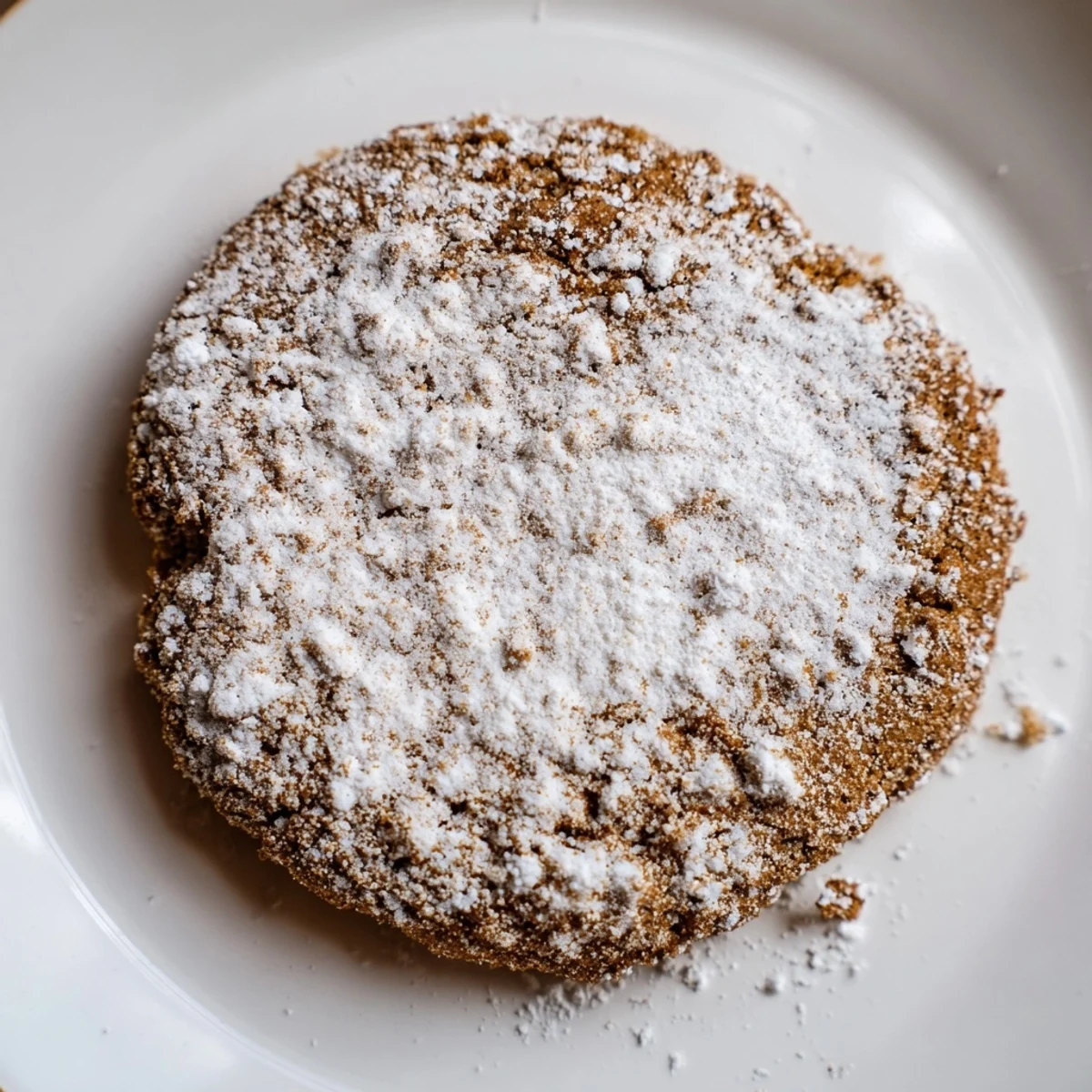
The cookies bake to a soft, slightly crisp edge with a tender center, ideal for a cozy treat.
- → How should I store these treats?
-
Store in an airtight container at room temperature for up to a week to maintain freshness.
- → Are these suitable for gluten-free diets?
-
Yes, using almond and coconut flours keeps these treats naturally gluten-free.