
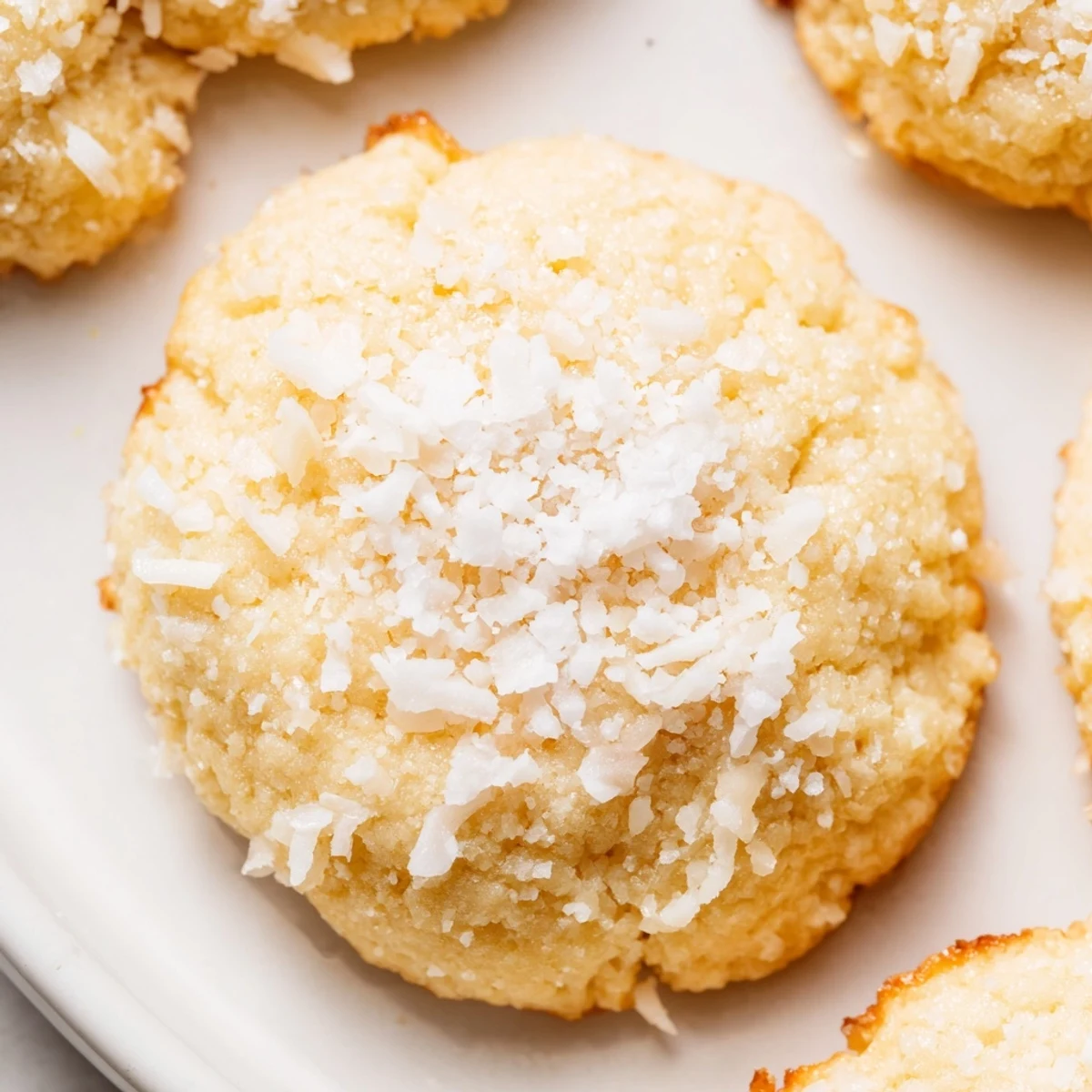
 Pin It
 These keto vanilla coconut butter cookies use almond flour, shredded coconut and erythritol for a low-carb, gluten-free treat. Cream softened butter with vanilla and an egg, fold in the dry mix, scoop, flatten and bake until edges are lightly golden. Toast shredded coconut to boost flavor, swap sunflower seed flour for a nut-free version, and cool completely on a rack before storing.
The scent of vanilla drifting through my kitchen always surprises me with how deeply comforting it feels, especially when it mingles with the nuttiness of coconut. I once whipped up a batch of these keto vanilla coconut butter cookies on a rainy Wednesday, half out of impatience for something sweet and mostly just to see if my almond flour had any magic left in it. The simple act of pressing dough into soft rounds gave me a moment of calm between emails and to-do lists. It turned out to be an easy way to treat myself and anyone else fortunate enough to wander in that afternoon.
On a Sunday, I shared these cookies with my neighbor, who dropped by just as they left the oven—drawn, I suspect, by that telltale coconut aroma sneaking under the door. Watching someone’s face change as they realize a treat is both delicious and guilt-free is better than any compliment. We ended up swapping baking stories over crumbs and cooling racks, a tradition I’d gladly make a habit.
Ingredients
- Almond flour: The base that keeps things tender and gluten-free—I always sift it to avoid lumps, which makes a huge difference in the final texture.
- Unsweetened shredded coconut: Adds chewy, toasty flecks and coconutty aroma; toasting it beforehand deepens the flavor even more.
- Powdered erythritol (or other keto sweetener): Keeps everything low-carb and melts cleanly into the dough with no aftertaste—taste a little before adding extra.
- Baking powder: Just a small amount helps these stay light and prevents dense cookies.
- Fine sea salt: Heightens every flavor, and a pinch can make the butter taste even richer.
- Unsalted butter, softened: The real hero for that rich crumb; microwaving too long will ruin the texture, so give it time to soften at room temperature.
- Large egg, room temperature: Brings the dough together with the right amount of moisture for a soft center.
- Pure vanilla extract: Two generous teaspoons—don’t skimp here—make all the difference in fragrance and warmth.
Instructions
- Get the oven ready:
- Turn your oven to 350°F (175°C), and line your baking sheet so nothing sticks later; that crinkle of parchment is oddly satisfying.
- Mix the dry team:
- In a medium bowl, whisk together almond flour, shredded coconut, sweetener, baking powder, and salt until everything looks evenly combined and fluffy.
- Cream the wet ingredients:
- Beat the softened butter and vanilla together until creamy, then add the egg and blend until you see a lush, smooth mixture.
- Combine it all:
- Add the dry ingredients gradually to the wet, stirring gently—when it comes together into a soft, slightly sticky dough, you’re done.
- Shape and flatten:
- Scoop out tablespoon portions, roll into balls, and space them on your sheet—flatten each one gently with your palm or the bottom of a glass for that classic cookie look.
- Bake and wait:
- Bake 10–12 minutes, but watch for golden-brown edges—it’s the first sign they’re ready and your kitchen will start to smell amazing.
- Cool down:
- Let the cookies rest on the sheet for 5 minutes, then transfer them carefully to a cooling rack so they don’t crumble while warm.
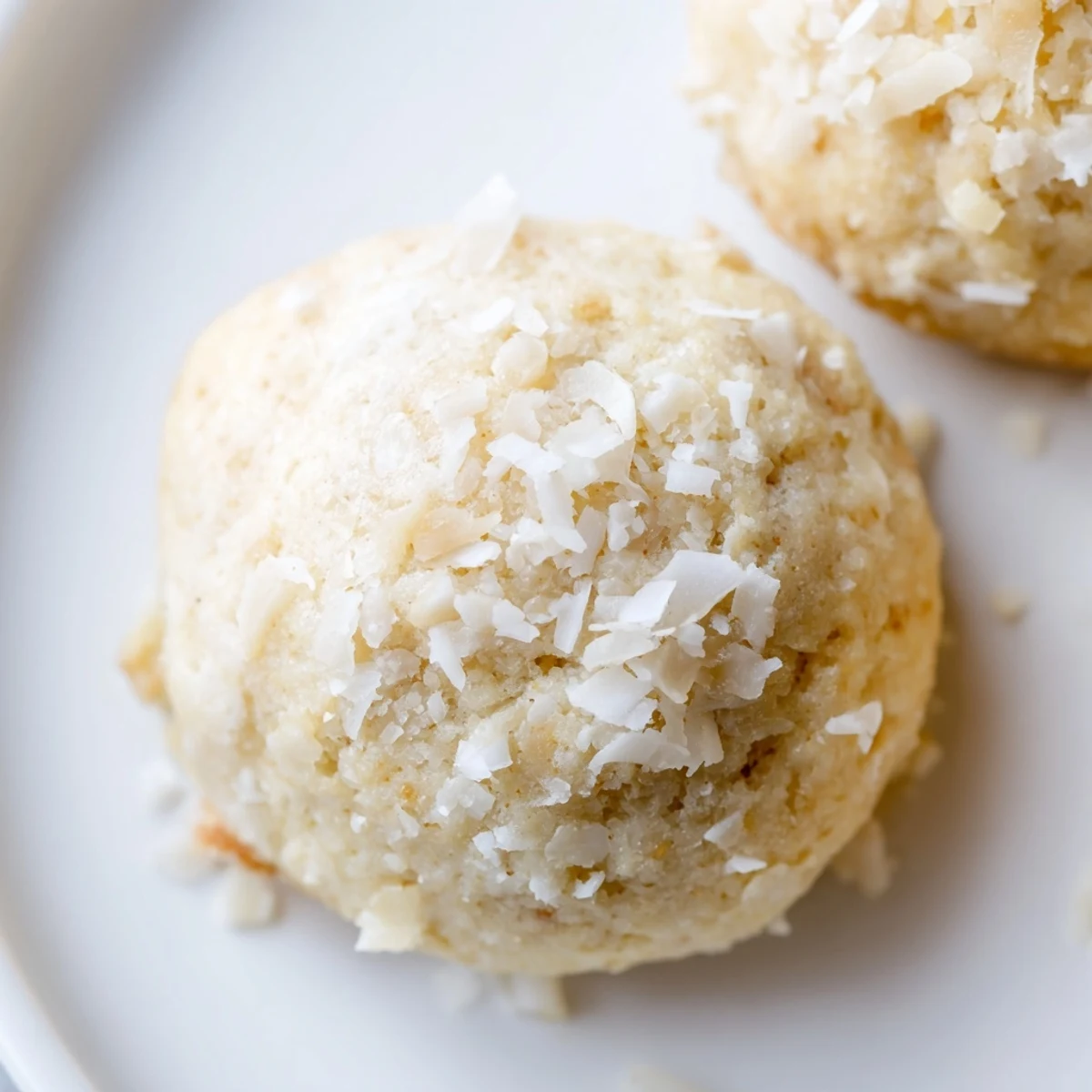 Pin It
 The first time I served these at a book club, someone blurted out mid-chapter that they tasted like vacation. Suddenly the whole room started reminiscing about beach trips and coconut everything, and it struck me how food can pull shared stories out of thin air.
How to Toast Coconut for Extra Flavor
If you want to nudge these cookies into showstopper territory, tossing the coconut in a hot, dry skillet until just golden adds a secret crunch and depth. You’ll know it’s ready when the kitchen smells like the inside of a bakery, but don’t look away—it burns in seconds.
Making These Cookies Nut-Free
Swapping almond flour for finely ground sunflower seed flour works surprisingly well, though the color is a bit earthier. It’s a great option for bake sales or school snacks when you have to dodge nut allergies and still want a soft bite.
Storing and Pairing Ideas
I usually keep these in a glass jar with a tight lid so they stay tender and fragrant. If you have any left after two days, try dunking one in unsweetened almond milk or pairing them with herbal tea—the flavors are mellow enough to go with just about anything.
- Don’t seal them up until they’ve cooled completely.
- Stack with parchment between layers to avoid sticking.
- Let your first bite linger—they’re best that way.
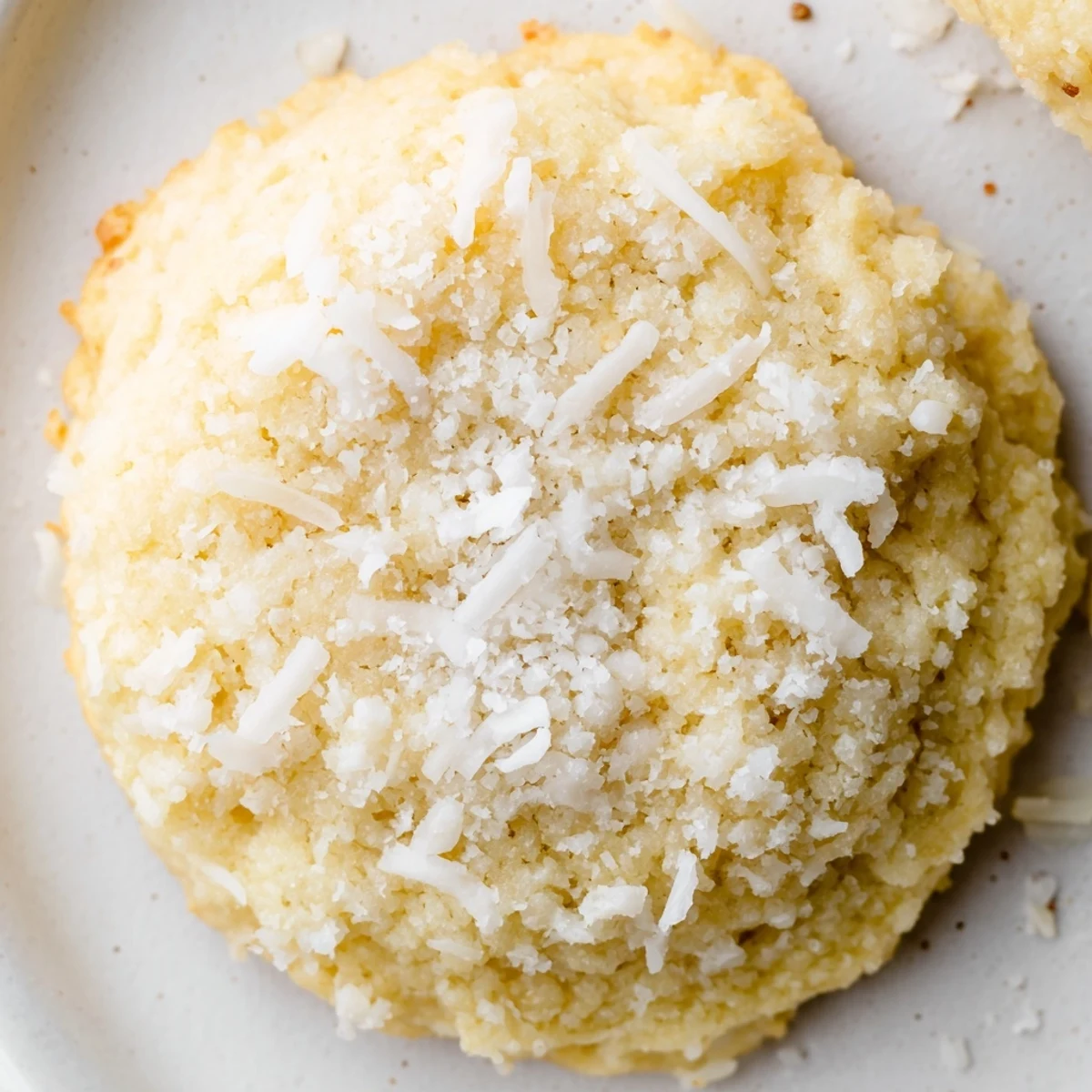 Pin It
 However you serve them, these cookies offer a little luxurious pause in a busy day. I hope you end up with more crumbs on your plate than regrets—enjoy every bite.
Recipe Questions & Answers
- → How long to bake for crisp edges and tender centers?
-
Bake at 350°F (175°C) for 10–12 minutes. Remove when edges are just golden; centers will set as they cool for the right crisp edge and tender interior.
- → Can I replace almond flour for a nut-free option?
-
Yes — use finely ground sunflower seed flour in the same amount. Toast lightly and check for color change during baking, as seed flours can brown faster.
- → Which sweetener works best for texture and browning?
-
Powdered erythritol or a powdered erythritol blend gives a fine texture and good browning. Avoid granular sweeteners unless processed to a powder to prevent grittiness.
- → How should I store and freeze these cookies?
-
Store cooled cookies in an airtight container at room temperature up to 5 days. Freeze in a single layer on a tray, then transfer to a freezer bag for up to 3 months; thaw at room temperature.
- → How do I intensify the coconut flavor?
-
Toast the shredded coconut before mixing for a deeper, nutty coconut profile. You can also fold in a teaspoon of coconut extract for a stronger aroma.
- → Any tips for shaping and uniform baking?
-
Scoop tablespoon-sized portions, roll into balls, place 2 inches apart and gently flatten with your palm or a glass. Uniform size ensures even baking and consistent texture.