
 Pin It
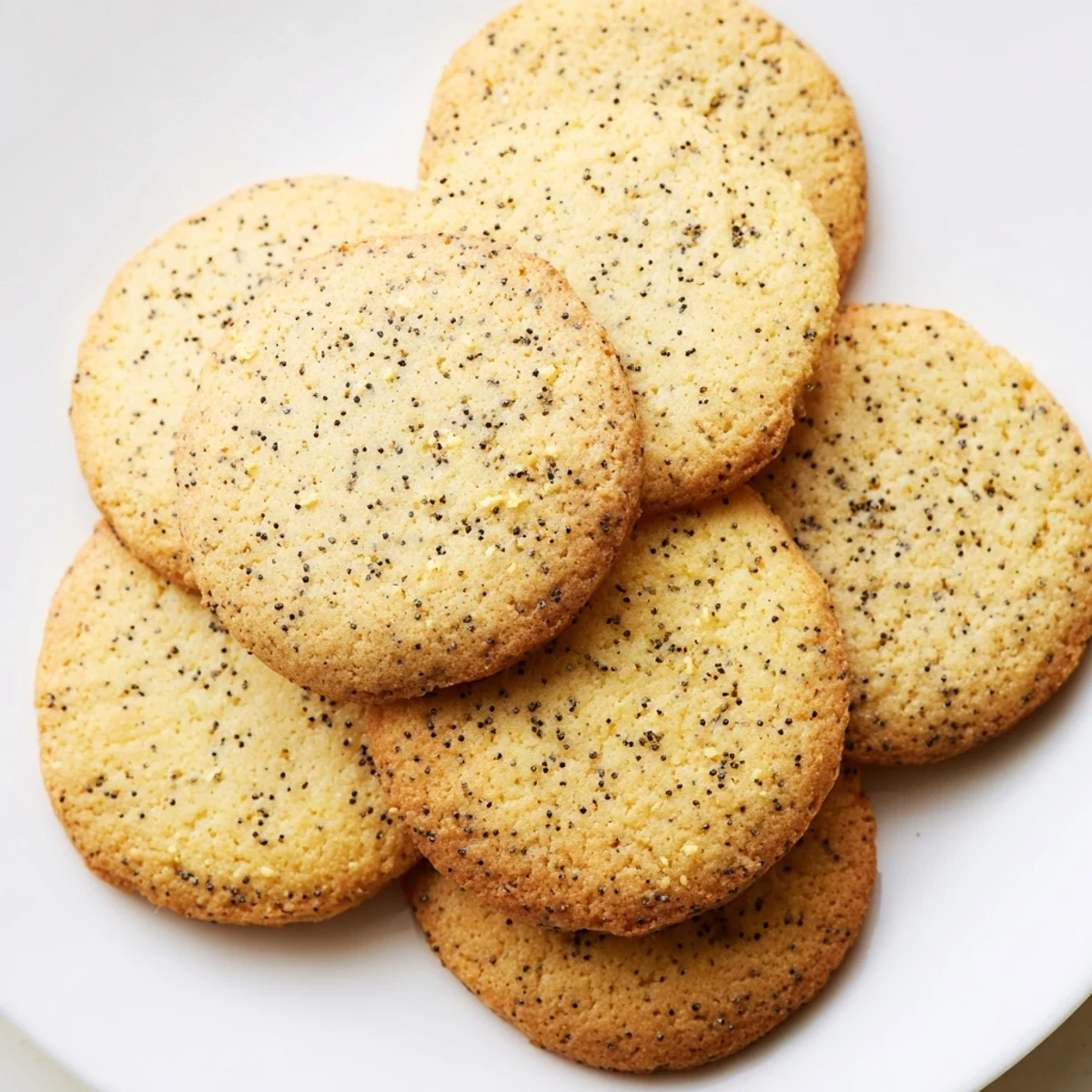
 Bright, zesty lemon poppy seed cookies with a delightful crunch, made gluten-free for everyone to enjoy. These American-style treats are perfect with tea or as a light dessert. The combination of lemon zest, poppy seeds, and gluten-free flour creates a tender, flavorful cookie that's easy to prepare and perfect for any occasion.
The scent of fresh lemon zest hitting sugar still stops me in my tracks, reminds me of tiny kitchen moments that turned into whole afternoons. I stumbled onto this recipe during one of those rainy Sunday baking sessions where you start with one idea and end up somewhere completely different. These cookies became the thing I brought to every gathering, the thing people actually asked for instead of politely accepting.
I remember making these for my friend who avoids gluten, watching her face light up when she realized she could actually eat them. We stood in my kitchen, warm cookies in hand, and she said something like I forgot what normal feels like. That stuck with me.
Ingredients
- Gluten-free flour blend: Use one with xanthan gum already mixed in, it saves you a step and the texture comes out consistently tender every single time
- Baking powder and soda: These work together to give the cookies just enough lift without making them cakey or hollow
- Salt: A small amount that makes all the other flavors pop and keeps them from being one-dimensionally sweet
- Poppy seeds: These tiny seeds add the most delightful subtle crunch that keeps every bite interesting
- Granulated sugar: Creates that crisp edge and tender center, and rubbing the zest into it first is the secret step
- Lemon zest: Two lemons worth gives you that bright aromatic punch throughout the whole cookie, not just in pockets
- Unsalted butter: Softened to room temperature so it creams properly into the sugar for that perfect texture
- Egg: Binds everything together and adds richness, structure, and that classic cookie chew
- Fresh lemon juice: Adds brightness and reacts with the baking soda for extra tenderness
- Vanilla extract: Rounds out all the sharp citrus notes and adds warmth
Instructions
- Prep your space:
- Heat your oven to 350°F and line two baking sheets with parchment paper, giving yourself room to work without stressing about cleanup later
- Mix the dry team:
- Whisk together the flour blend, baking powder, baking soda, salt, and poppy seeds in a medium bowl until everything is evenly distributed
- Infuse the sugar:
- Rub the lemon zest into your granulated sugar with your fingers until the sugar becomes fragrant and slightly yellow, taking your time with this step
- Cream the butter:
- Beat the softened butter into that lemon sugar until the mixture turns light and creamy, about two full minutes of letting your mixer do the work
- Add the wet ingredients:
- Beat in the egg, lemon juice, and vanilla until the mixture is smooth and well combined, scraping down the bowl once
- Bring it together:
- Gradually add the dry ingredients to the wet mixture, mixing just until you no longer see visible flour pockets
- Shape the cookies:
- Scoop tablespoon portions and roll them into balls, placing them about two inches apart on your prepared baking sheets
- Flatten gently:
- Press each ball down with your palm or the bottom of a glass, just enough to flatten slightly without making them thin
- Bake to perfection:
- Bake for 11 to 13 minutes until the edges are set and have that pale golden color, rotating the pans halfway through if you think about it
- Cool completely:
- Let the cookies rest on the baking sheet for five minutes before moving them to a wire rack, they need this time to set up properly
 Pin It
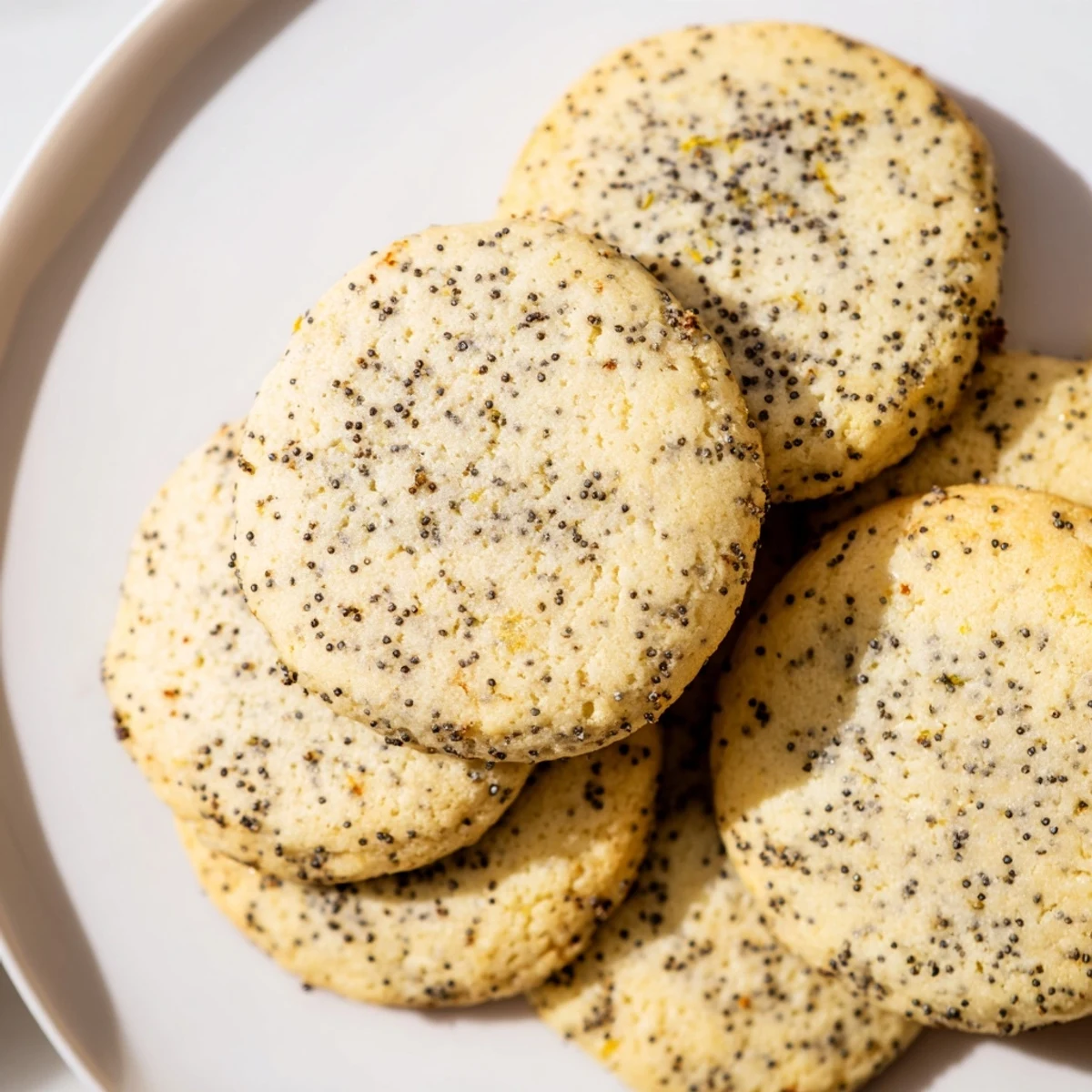
 My neighbor mentioned these cookies reminded her of the lemon poppy seed muffin her grandmother used to buy her every Sunday before church. Food carries so much more than flavor.
Making Them Your Own
Sometimes I swap half the lemon zest for orange when I want something less sharp but still bright. The poppy seeds stay the same, that non-negotiable texture that makes people pause and ask what that wonderful crunch is.
Serving Suggestions
These cookies shine alongside a cup of Earl Grey or any black tea that can stand up to the citrus. I've also served them with fresh berries and a dollop of coconut cream for a dessert that feels fancy but takes zero effort.
Storage and Make-Ahead Tips
The dough actually freezes beautifully, so I often scoop and freeze the raw balls on a sheet pan then transfer them to a bag. Bake straight from frozen, just add another minute or two. Baked cookies keep in an airtight container for five days, though they rarely last that long in my house.
- Scoop extra dough now and freeze for emergency baking later
- A simple powdered sugar glaze transforms these into something occasion-worthy
- Room temperature butter is non-negotiable for the right texture
 Pin It
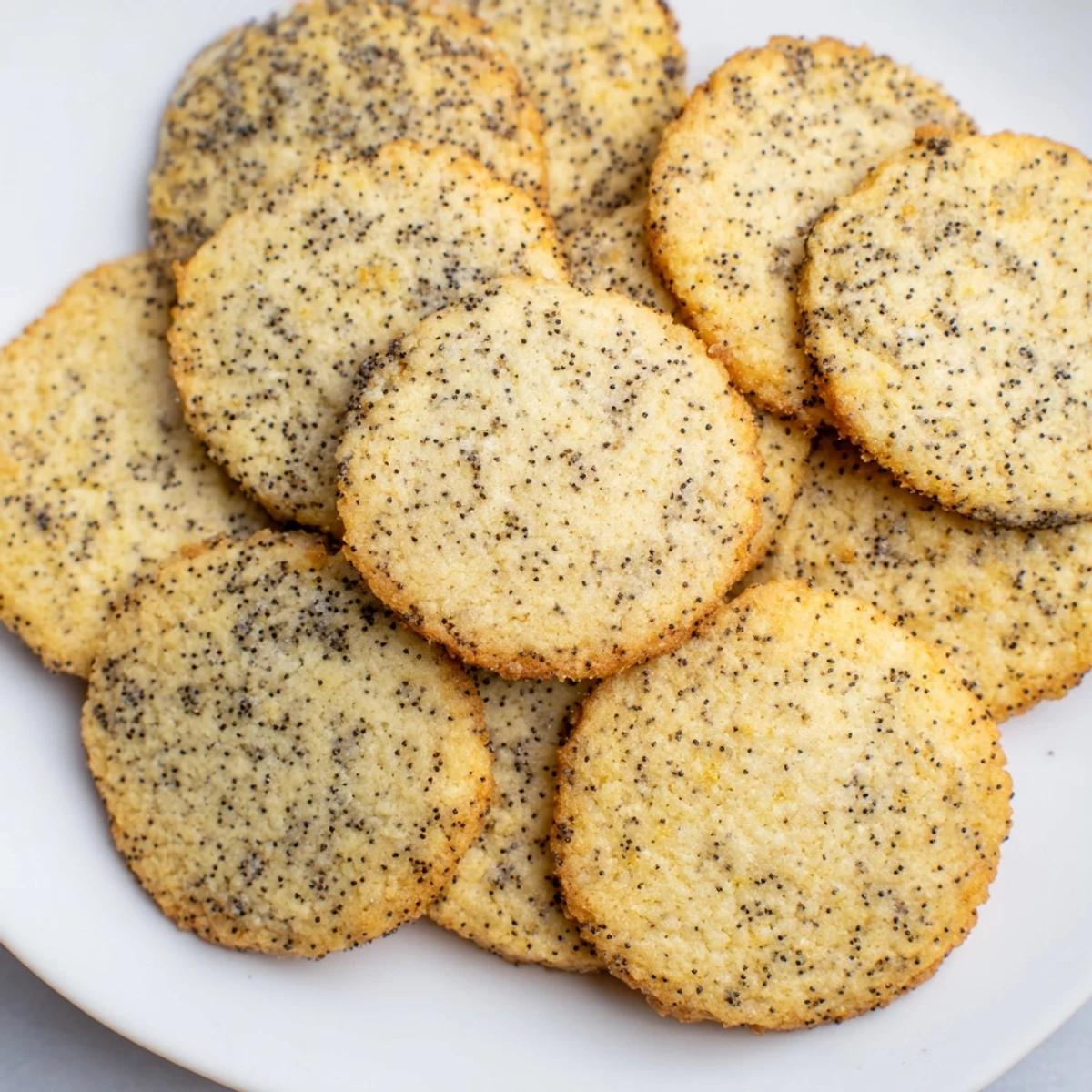
 Hope these find their way into your kitchen and onto plates shared with people you love.
Recipe Questions & Answers
- → Can I make these cookies vegan?
-
Yes! For a vegan version, substitute the butter with vegan margarine and replace the egg with a flaxseed egg (1 tablespoon ground flaxseed + 3 tablespoons water, mixed and rested for 5 minutes). The cookies will have a similar texture and flavor profile.
- → How should I store these cookies?
-
Store the cooled cookies in an airtight container at room temperature for up to 5 days. They maintain their crunch and flavor well when properly stored.
- → What's the best way to serve these cookies?
-
These cookies are perfect with tea or coffee. For extra sweetness, you can dust them with powdered sugar or drizzle with a simple lemon glaze made from powdered sugar and lemon juice.
- → Can I freeze the dough?
-
Yes, you can freeze the cookie dough balls for up to 3 months. Place them on a baking sheet lined with parchment paper, freeze until solid, then transfer to a freezer-safe bag. Bake directly from frozen, adding 2-3 minutes to the baking time.
- → Why do I need to rub the lemon zest into the sugar?
-
Rubbing the lemon zest into the sugar releases the lemon oils, infusing the sugar with bright, citrus flavor that will permeate the entire cookie. This technique creates a more intense lemon flavor than simply mixing the zest in.