
 Pin It
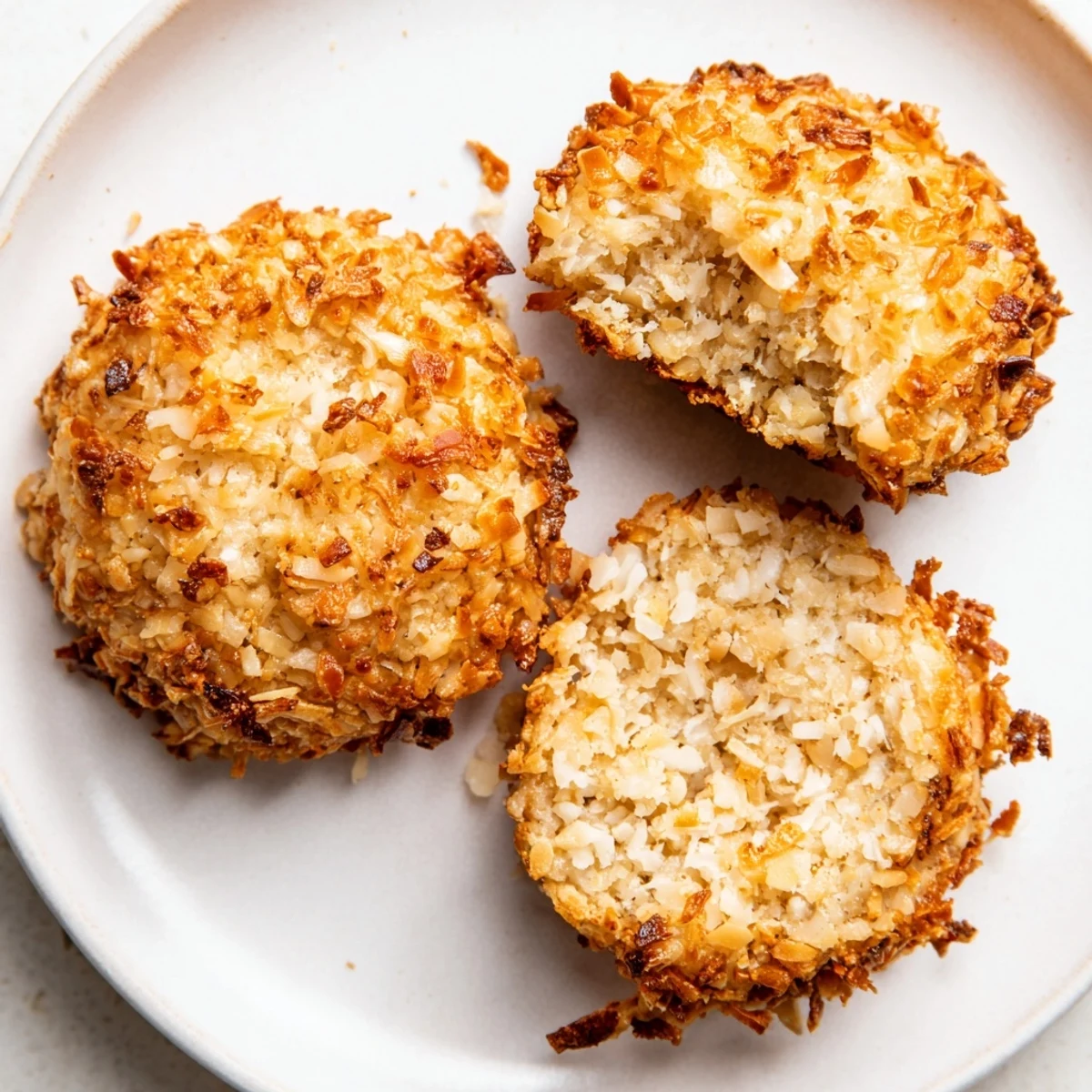
 These light, crisp vanilla-coconut cookies combine shredded coconut, almond flour and erythritol with eggs, melted butter and vanilla. Mix dry and wet components, form tablespoon-sized balls, flatten to roughly 1/3 inch and bake at 350°F for 12–15 minutes until edges are golden. Cool on the baking sheet for best crunch. Yields about 18 cookies; swap coconut oil for dairy-free or add cinnamon for variation.
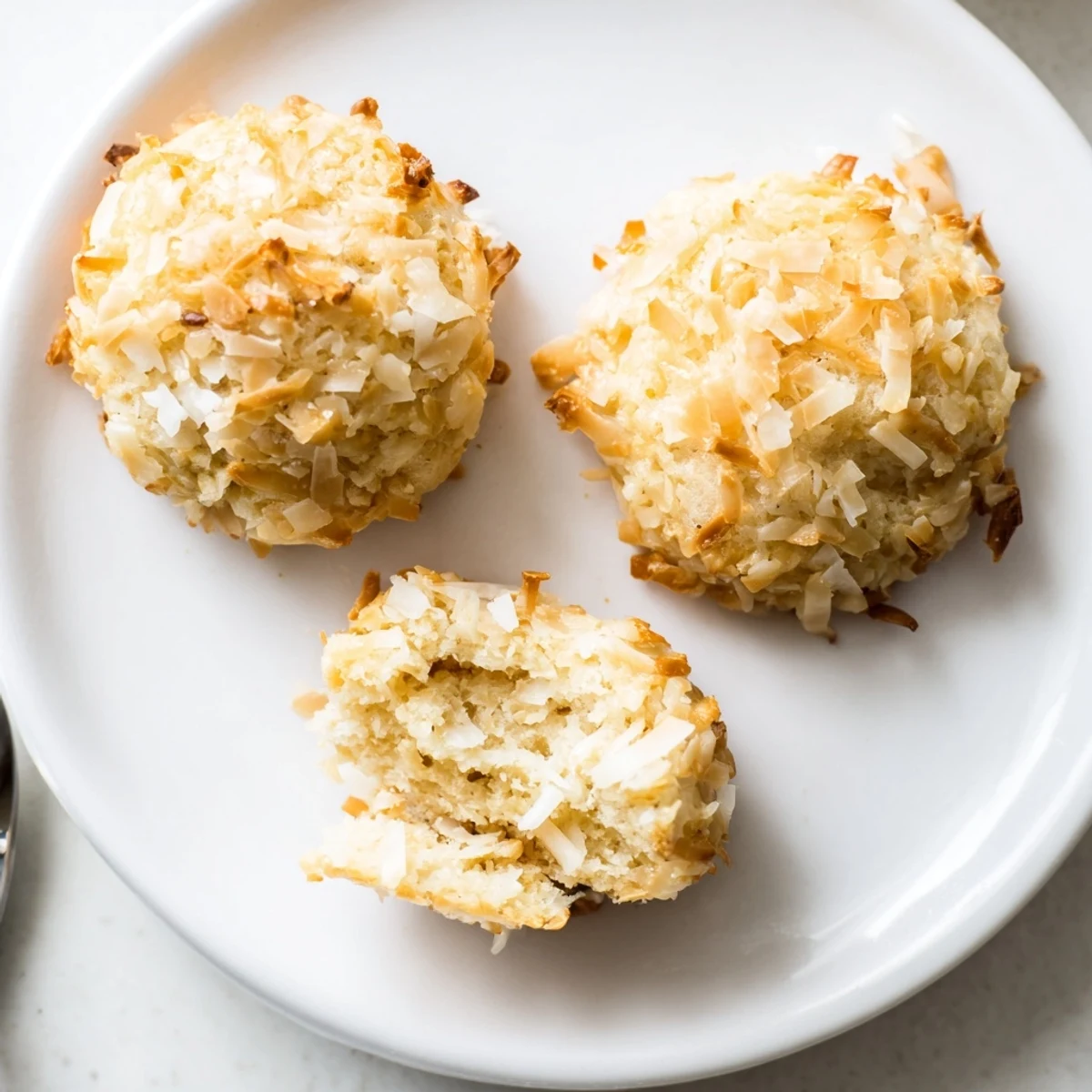
The smell of toasted coconut and vanilla drifting through my kitchen on a rainy Tuesday afternoon convinced me that keto baking wasnt a compromise at all. I had been skeptical, having chewed through enough dry, crumbly low carb cookies to last a lifetime. These little crisps changed my mind completely with their golden edges and that satisfying snap when you break one in half. My coffee mug has never had a better companion.
I brought a tin of these to a friend who openly mocks my keto lifestyle, and she ate four before asking what made them different from regular cookies. Her face when I said they were sugar free was absolutely priceless. Now she texts me for the recipe at least once a month.
Ingredients
- Unsweetened shredded coconut (1 1/2 cups): This is the star that gives the cookies their chew and fragrance, so dont skimp on quality here.
- Almond flour (1 cup): Provides structure without heaviness, and finely blanched almond flour works far better than coarse meal.
- Powdered erythritol (1/3 cup): Powdered dissolves seamlessly into the dough, avoiding any grainy texture that granulated sweeteners can leave behind.
- Baking powder (1/2 teaspoon): Just enough lift to keep these from turning into coconut hockey pucks.
- Salt (1/4 teaspoon): A small but critical pinch that makes the sweetness pop and balances the coconut.
- Large eggs (2): The binding glue that holds everything together, and room temperature eggs blend more smoothly into the melted butter.
- Unsalted butter, melted and cooled (1/3 cup): Letting it cool slightly prevents scrambling the eggs and gives you a richer, more even dough.
- Vanilla extract (1 tablespoon): A full tablespoon might seem generous, but the coconut can handle it and the aroma is heavenly.
Instructions
- Preheat and prepare:
- Set your oven to 350°F and line a baking sheet with parchment paper so nothing sticks and cleanup is effortless.
- Mix the dry team:
- Toss the shredded coconut, almond flour, erythritol, baking powder, and salt into a large bowl and stir until evenly distributed, taking a moment to break up any clumps in the almond flour.
- Whisk the wet ingredients:
- In a separate bowl, whisk the eggs, cooled melted butter, and vanilla extract until smooth and slightly frothy, which usually takes about thirty seconds of enthusiastic whisking.
- Bring it all together:
- Pour the wet mixture into the dry ingredients and stir with a spatula until you have a cohesive, slightly sticky dough that holds together when squeezed.
- Shape the cookies:
- Scoop tablespoon sized portions and roll them into small balls, placing them two inches apart on the parchment to give them room to spread.
- Flatten gently:
- Press each ball down with your fingertips or the back of a spoon until about a third of an inch thick, keeping the edges slightly ragged for those beautiful crispy bits.
- Bake until golden:
- Slide the tray into the oven for 12 to 15 minutes, watching for the edges to turn a warm golden brown while the centers still look just barely set.
- Cool completely on the sheet:
- This is the hardest part, but leaving them on the hot baking sheet as they cool is what develops that irresistible crunch.
 Pin It
 One evening I sat on the kitchen floor waiting for a batch to cool, scrolling through old photos, and realized these cookies had quietly become part of my weekly routine. There is something grounding about the ritual of mixing coconut and vanilla by hand while the world buzzes on outside.
Swaps and Substitutions
Coconut oil or ghee steps in beautifully for the butter if dairy is a concern, though the flavor shifts slightly toward something more tropical. I have tried sunflower seed flour in place of almond flour for nut allergies and the results were surprisingly good, just a touch darker in color with an earthy undertone. A pinch of cinnamon or finely grated lemon zest folded into the dry mix adds a lovely layer without overpowering that coconut vanilla balance.
Storage That Keeps Them Crisp
An airtight container at room temperature keeps these crisp for about five days, though honestly they rarely last that long in my house. If they soften over time, a quick five minute toast in a 300°F oven brings back all the crunch and makes your kitchen smell incredible all over again.
Tools and Allergen Notes
You really only need two mixing bowls, a whisk, a baking sheet, and some parchment paper to pull these off successfully. A cookie scoop helps with uniform sizing, which means even baking across the whole batch.
- Contains eggs, tree nuts from almond flour, and dairy from butter.
- Sunflower seed flour works as a nut free alternative, though expect a slightly different color and flavor.
- Always check labels on your coconut and sweetener for hidden cross contamination warnings.
 Pin It
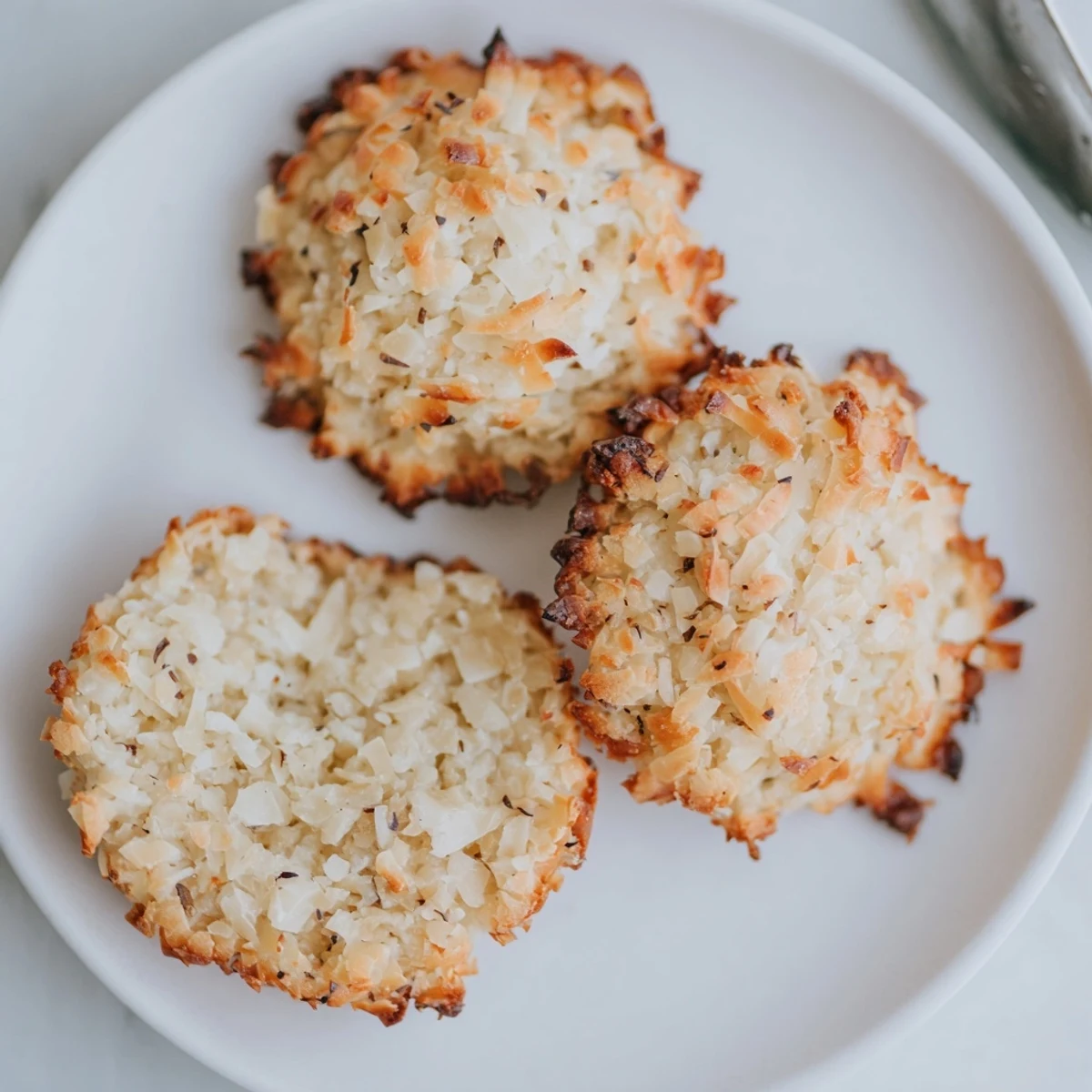
 These little crisps prove that eating low carb never means giving up on the simple pleasure of a cookie with your afternoon coffee. Keep a batch in your pantry and your week instantly feels a little more special.
Recipe Questions & Answers
- → How do I keep the cookies crisp?
-
Cool them completely on the baking sheet; the surface continues to set as they cool. Bake until edges are golden and avoid overbaking the center. Storing in a loosely covered container preserves crunch better than airtight warmth.
- → Can I make these dairy-free?
-
Yes. Replace the butter with equal amounts of coconut oil or a neutral-flavored oil solid at room temperature. Expect a slightly different mouthfeel and a hint of coconut aroma when using coconut oil.
- → What sweeteners work best for texture and browning?
-
Powdered erythritol gives a clean sweetness and maintains structure. Allulose browns more like sugar and yields deeper color; monk fruit blends can work but may affect spread and texture depending on form.
- → How can I prevent the cookies from spreading too thin?
-
Use chilled dough if your kitchen is warm, measure almond flour and coconut carefully, and flatten gently to the recommended thickness rather than pressing too thin. Parchment limits sticking and controls spread.
- → Are there good substitutions for almond flour for nut allergies?
-
Sunflower seed flour can substitute 1:1 in most cases, though it may yield a greener tint when mixed with certain sweeteners; to offset flavor, add a touch more vanilla or a pinch of cinnamon.
- → How should I store and re-crisp leftovers?
-
Store cooled cookies in an airtight container at room temperature for up to 3 days or refrigerate for up to a week. To re-crisp, warm briefly in a 300°F oven for 3–5 minutes or on a skillet over low heat.