
 Pin It
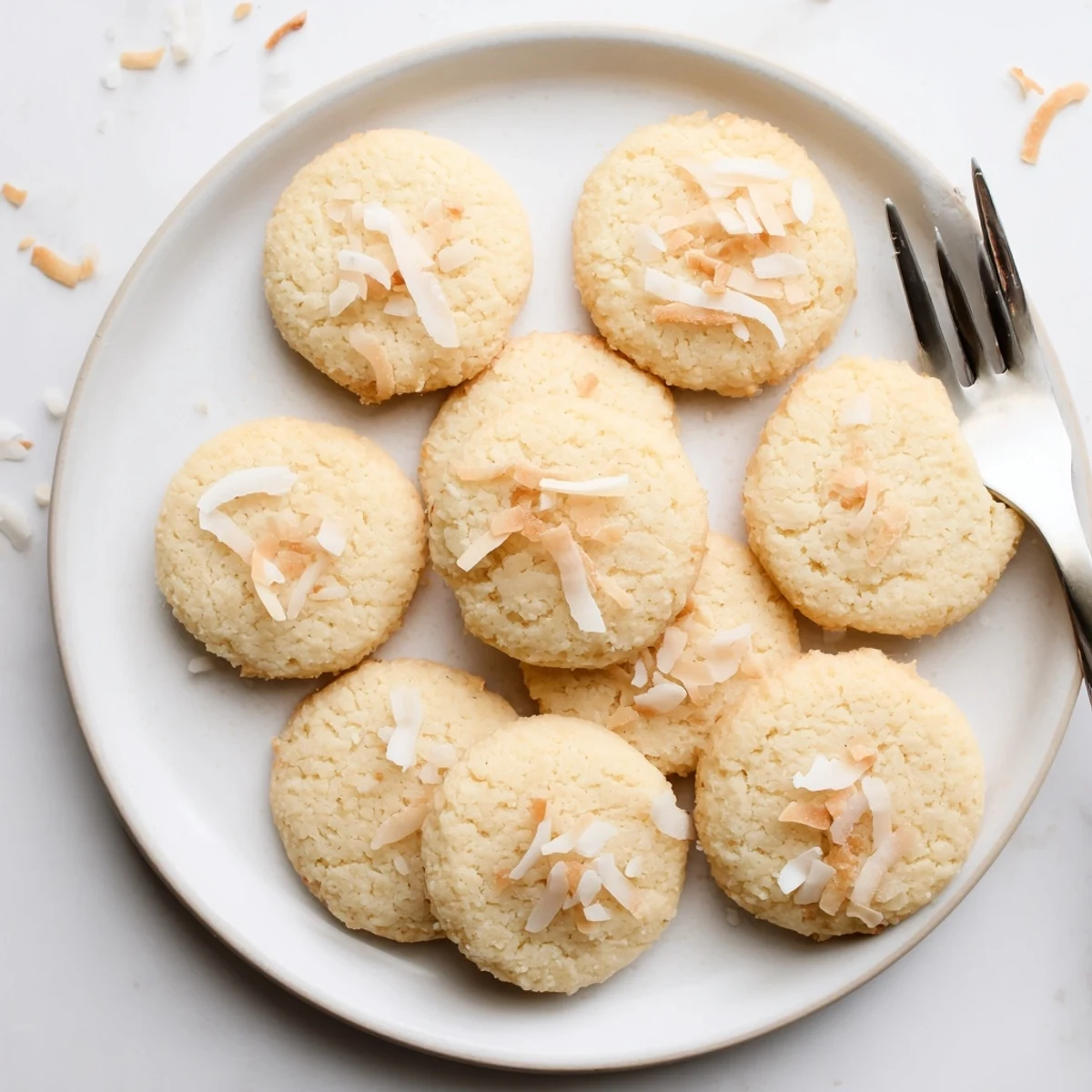
 These delicate vanilla cookies feature a tender, melt-in-your-mouth texture that makes them perfect for satisfying sweet cravings while staying in ketosis. The coconut flour base creates a soft crumb structure, while plenty of real vanilla extract provides deep aromatic flavor. Each bite delivers rich buttery notes with just 1 net carb, making them an excellent choice for afternoon snacks or dessert.
The dough comes together quickly with melted butter and eggs, no special equipment required. They bake into golden edges with soft centers, similar to traditional shortbread but completely grain-free. The addition of shredded coconut adds pleasant texture variation, though they're equally delicious without it for a smoother bite.
These store beautifully for several days, actually developing deeper flavor as they sit. The erythritol sweetener provides clean sweetness without any aftertaste, keeping blood sugar stable while delivering that classic cookie experience keto enthusiasts often miss.
The first time I attempted keto baking, my kitchen ended up coated in a fine dust of coconut flour that seemed to multiply by itself. These vanilla cookies were my redemption story after three failed attempts at almond flour treats that turned into crumbly disasters. Something magical happens when coconut flour meets enough eggs and butter.
My sister visited last winter skeptical of anything labeled keto or sugar free. She ate three of these vanilla cookies while standing at my counter, then asked if I could bake her a batch for the road home. Now she texts me every week asking when Im making them again.
Ingredients
- 1 cup coconut flour: This flour absorbs moisture like a sponge so never substitute it directly with almond flour
- 1/4 tsp baking soda: Just enough lift to give these cookies a slight rise without making them cakey
- 1/4 tsp salt: Balances the sweetness and enhances the vanilla flavor
- 1/2 cup unsalted butter melted: Use real butter for the best texture though coconut oil works for dairy free needs
- 3/4 cup granulated erythritol or monk fruit sweetener: Powdered sweeteners blend more smoothly but granular works fine too
- 4 large eggs: The binder that transforms coconut flour from dry powder to tender dough
- 2 tsp vanilla extract: Do not skimp here because vanilla is the main flavor profile
- 1/4 cup unsweetened shredded coconut optional: Adds lovely chew and texture contrast
Instructions
- Prepare your oven and pan:
- Preheat to 350°F and line a baking sheet with parchment paper so nothing sticks and cleanup is effortless
- Mix the dry foundation:
- Whisk together coconut flour baking soda and salt in a medium bowl until well combined
- Blend the wet base:
- Beat melted butter and sweetener until smooth then add eggs one at a time mixing thoroughly after each and stir in vanilla
- Combine everything:
- Gradually mix dry ingredients into the wet mixture until a soft dough forms then fold in shredded coconut if using
- Shape and place:
- Scoop tablespoon portions and roll into balls then arrange on the prepared sheet and flatten gently with your fingers
- Bake until golden:
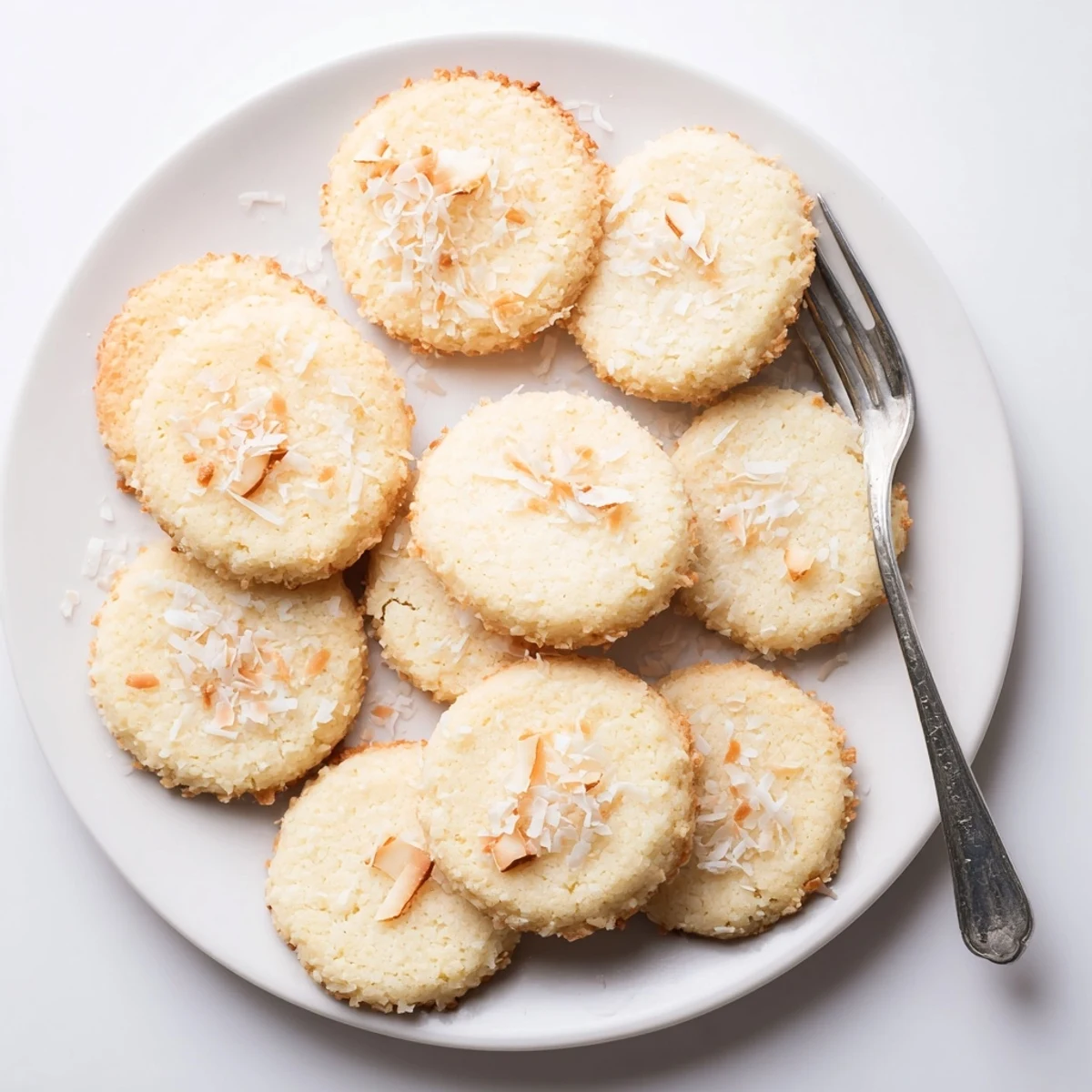
- Bake 12 to 15 minutes until edges are lightly golden then let them cool on the sheet for 10 minutes before moving
 Pin It
 My daughter declared these better than the regular sugar cookies her grandmother makes which felt like winning a small victory. They have become our Sunday afternoon ritual with tea and good conversation.
Storage Secrets
Keep these in an airtight container at room temperature for three days though they rarely last that long in my house. For meal prep purposes they stay fresh in the refrigerator for a full week.
Flavor Variations
A pinch of cinnamon transforms these into a cozy winter treat while sugar free chocolate chips make them feel indulgent. I have also experimented with almond extract instead of vanilla for a completely different profile.
Common Questions
Can I use liquid sweeteners like honey or maple syrup? Not really since they add too many carbs and alter the dough texture significantly. Why do I need so many eggs? Coconut flour is incredibly absorbent and eggs provide the structure that gluten usually handles.
- The dough will seem wet at first but thickens as the flour absorbs the moisture
- Measuring flour by weight instead of cups gives the most consistent results
- These cookies freeze beautifully if you want to double the batch
 Pin It
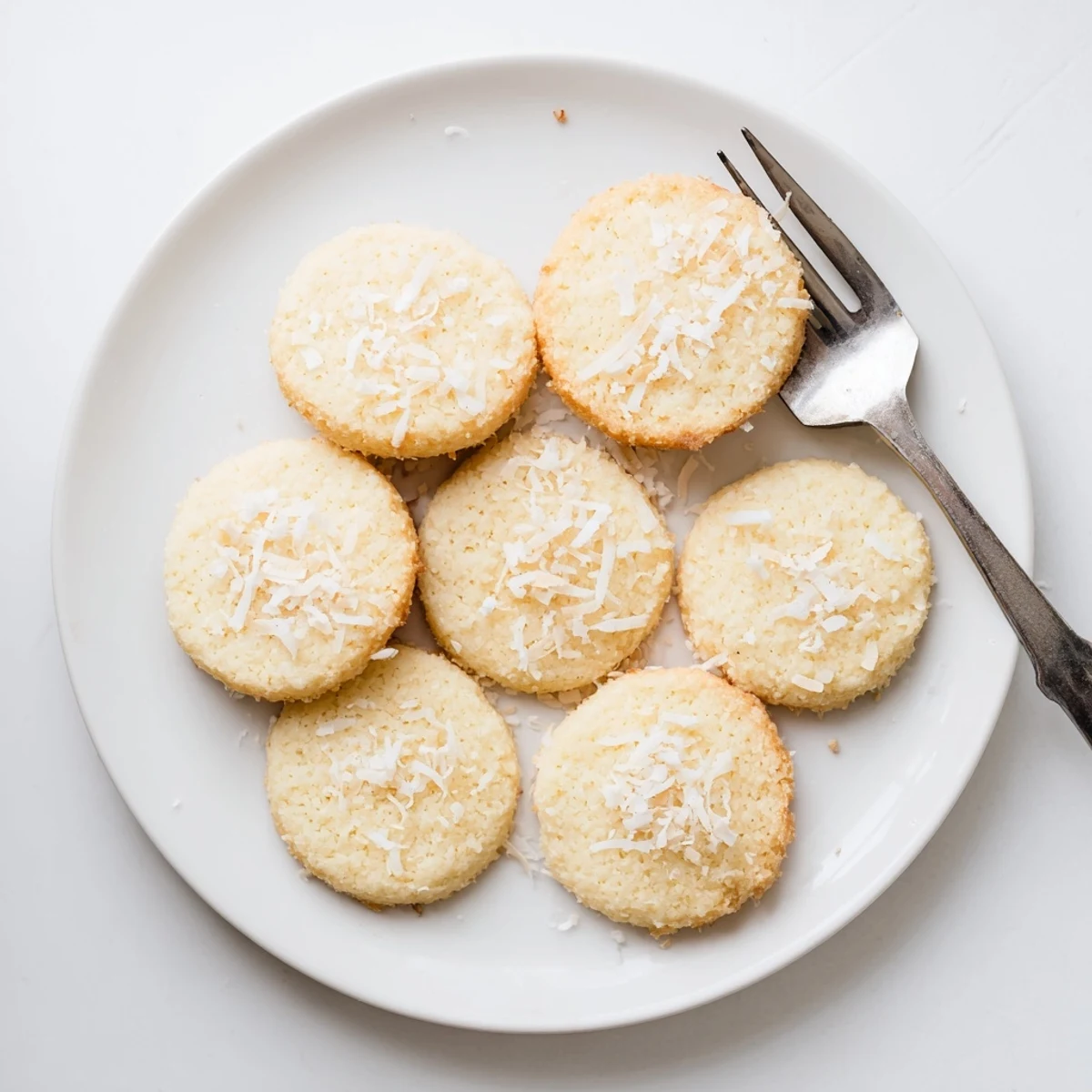
 There is something deeply satisfying about biting into a cookie that feels like a treat without derailing your health goals. Happy baking.
Recipe Questions & Answers
- → Can I use almond flour instead of coconut flour?
-
Coconut flour absorbs liquid differently than almond flour, so direct substitution won't work. You'd need to completely reformulate the ratios. For best results, stick with coconut flour as written, or search for almond flour-specific low-carb cookie recipes.
- → What sweetener works best for these cookies?
-
Granulated erythritol or monk fruit sweetener blend works excellently. Powdered versions dissolve more easily into the dough. Liquid stevia drops can be used but you'll need to adjust the wet ingredients slightly since you're removing the bulk sweetener volume.
- → Why are my cookies crumbly or dry?
-
Coconut flour is extremely absorbent. Measure accurately, don't pack the flour, and ensure you're using large eggs. If your dough seems too dry before baking, add a teaspoon of water or melted butter until it holds together when pinched.
- → Can I freeze the dough or baked cookies?
-
Yes! Portion the dough into balls, freeze on a baking sheet, then transfer to a freezer bag. Bake from frozen, adding 1-2 minutes. Baked cookies also freeze well for up to 3 months. Thaw at room temperature for best texture.
- → How do I make these dairy-free?
-
Simply substitute the melted butter with refined coconut oil. Use a refined version to avoid coconut flavor overpowering the vanilla. The texture remains virtually identical, though coconut oil creates slightly crispier edges.
- → Why did my cookies spread too much?
-
Excess spreading usually means the dough was too warm or the butter was hot when mixed. Chill the dough for 15-30 minutes before scooping if your kitchen is warm. Also ensure you're measuring the coconut flour correctly—too little flour causes spreading.