
 Pin It
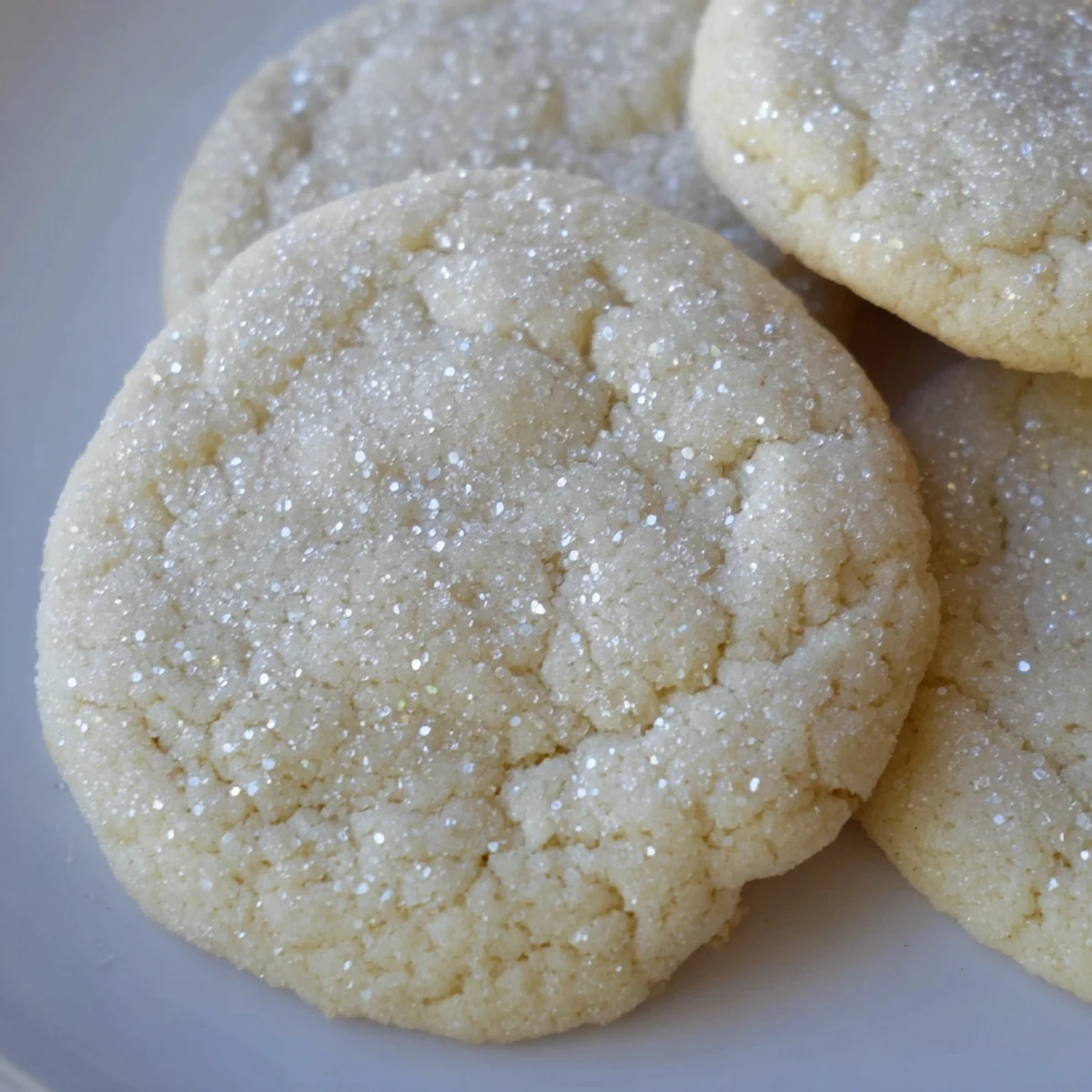
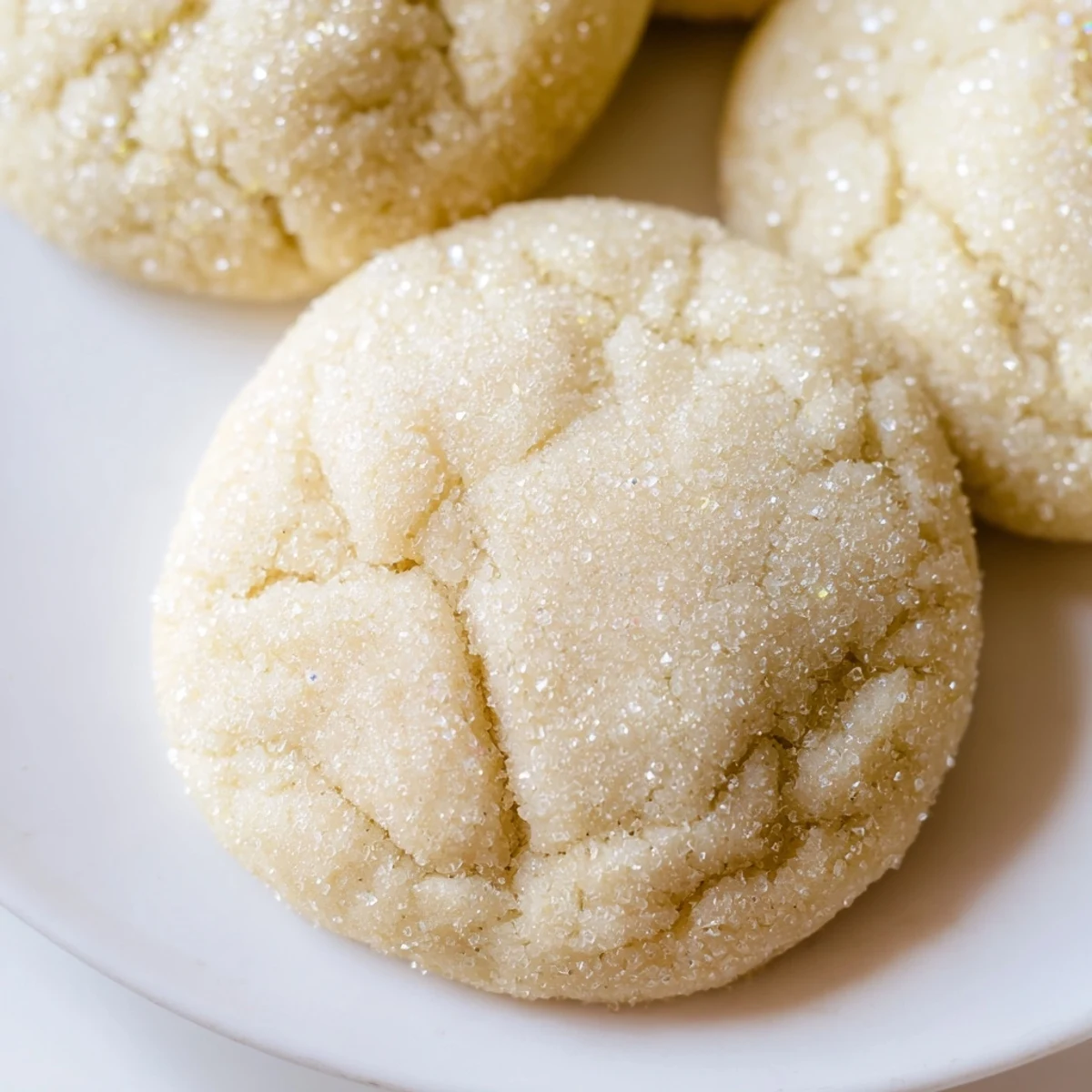
 These soft, pillowy sugar cookies bring warmth and comfort during cold days. Infused with pure vanilla extract and a delicate sweetness, the dough is rolled in sugar before baking to achieve a tender, melt-in-your-mouth texture. Baking at a moderate temperature ensures they remain pale and soft with a gentle puff. Perfect for sharing or a cozy solo indulgence in winter.
There's something about January that makes me crave these vanilla cookies—the kind that don't demand much fuss but somehow make a gray afternoon feel like a small celebration. I discovered this recipe during a particularly cold week when I needed something simple to bake while the wind rattled the windows, and these clouds of sweetness became my little ritual. The first batch came out so impossibly soft I almost didn't believe they were done, but that's the magic of them: they look barely baked and taste like edible air.
I made these for my neighbor during a surprise snowstorm, and the look on their face when they bit into one—pure, wordless happiness—told me everything. There's something about offering someone a warm, pillowy cookie on a freezing day that feels almost generous, even though all you did was follow a recipe. That moment stuck with me, and now every January batch tastes like that unexpected kindness.
Ingredients
- All-purpose flour (2 3/4 cups): This is your foundation—measure by weight if you can, as it keeps the cookies from becoming dense or cakey.
- Unsalted butter (1 cup, softened): Room-temperature butter creams properly and gives you that cloudlike crumb; cold butter won't do it.
- Granulated sugar (1 1/2 cups for dough, plus 1/3 cup for rolling): Don't skip the extra sugar for rolling—it adds texture and that subtle sparkle.
- Large eggs (2, room temperature): Room-temperature eggs incorporate more smoothly and create a lighter batter.
- Pure vanilla extract (2 tsp): The soul of this cookie; don't use imitation unless you want a flat-tasting result.
- Whole milk (1/4 cup): This keeps the dough tender and prevents it from becoming tough.
- Baking powder and baking soda (1/2 tsp each): They work together to create that pillowy rise; use fresh ones or they won't do their job.
- Fine sea salt (1/2 tsp): Balances sweetness and brightens the vanilla flavor.
Instructions
- Prep your space:
- Preheat your oven to 350°F and line two baking sheets with parchment paper. This small step keeps you from scrambling later when the dough is ready.
- Mix the dry ingredients:
- In a medium bowl, whisk together flour, baking powder, baking soda, and salt. This combination prevents lumps and distributes the leavening evenly.
- Cream butter and sugar:
- Using an electric mixer, beat butter and sugar together for 2–3 minutes until the mixture is pale, fluffy, and noticeably lighter in color. This aeration is crucial for that cloud-like texture.
- Add eggs and vanilla:
- Add eggs one at a time, beating well after each addition, then mix in the vanilla extract. Each egg fully incorporated means a better crumb structure.
- Gently combine everything:
- Mix in half the flour mixture, then the milk, then the remaining flour mixture, stirring just until combined. Overmixing develops gluten and makes cookies tough, so stop as soon as you don't see flour streaks.
- Scoop and roll:
- Using a tablespoon or small cookie scoop, form balls of dough and roll them between your palms to smooth them. Then roll each ball in the extra sugar to coat—this creates a subtle crust and adds texture.
- Space and bake:
- Place cookies about 2 inches apart on the prepared baking sheets and bake for 9–11 minutes. They should look puffed and set at the edges but still pale and soft in the center—not golden.
- Cool with patience:
- Let them cool on the baking sheet for 5 minutes (they'll firm up slightly) before transferring to a wire rack. This prevents them from cracking and keeps them tender inside.
 Pin It
 There was one January afternoon when I pulled a batch out and the whole kitchen filled with this warm vanilla haze, and my daughter wandered in drawn purely by smell. We sat at the table with still-warm cookies, drinking milk and saying nothing much, and I realized these cookies weren't really about technique or perfection—they were about those small, quiet moments that make a day feel less cold. That's when I knew I'd never stop making them.
The Art of Soft Cookie Texture
The secret to these cookies staying impossibly soft lies in understanding that baking is chemistry, and timing is everything. The moment you pull them from the oven matters more than how long they stay in—they'll look underbaked, almost wet, and that's exactly right. As they cool on the pan, residual heat finishes the job while the interior stays tender. Think of it like baking three-quarters of the way through, then letting carryover heat do the rest.
Vanilla Extract: Why It Matters More Than You'd Think
These cookies live and die by vanilla because there's almost nothing else competing for flavor. Using pure extract instead of imitation is the difference between a cookie that tastes like cookies and one that tastes like vanilla—it's deep, warm, and complex instead of artificial and thin. I learned this the hard way when I substituted imitation on a busy day and got disappointed silence instead of the usual happy eating sounds.
Making Them Your Own
The beauty of this recipe is its neutrality—it's a canvas waiting for you to leave your mark. You can dust them with cinnamon sugar before baking, add 1/2 teaspoon of almond extract for depth, or top them with a thin vanilla glaze after cooling. Some people press a tiny indentation in the center and fill it with jam; others sprinkle colored sanding sugar for a festive touch. The vanilla cloud is forgiving enough to accommodate any of these small variations without losing its essential softness.
- Almond extract (just 1/2 teaspoon) adds sophisticated warmth without overpowering the vanilla.
- A simple glaze made from powdered sugar, milk, and vanilla extract creates a delicate coat that looks lovely and tastes lightly sweet.
- Store in an airtight container for up to 5 days, or freeze the unbaked dough balls for fresh cookies whenever you need them.
 Pin It
 These cookies taste like January—quiet, soft, and somehow comforting even in their simplicity. Make them when you need something that feels like a small gift to yourself.