
 Pin It
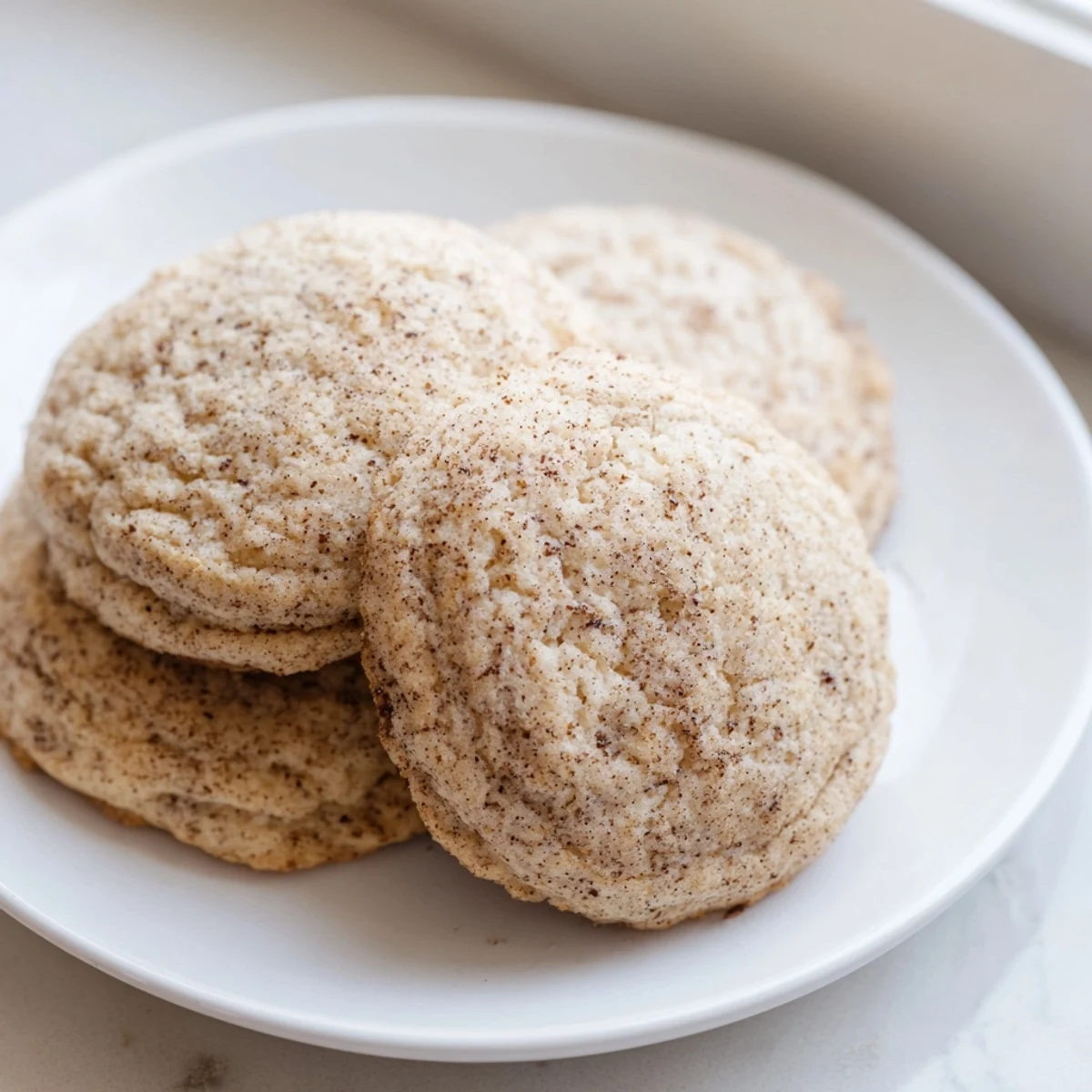
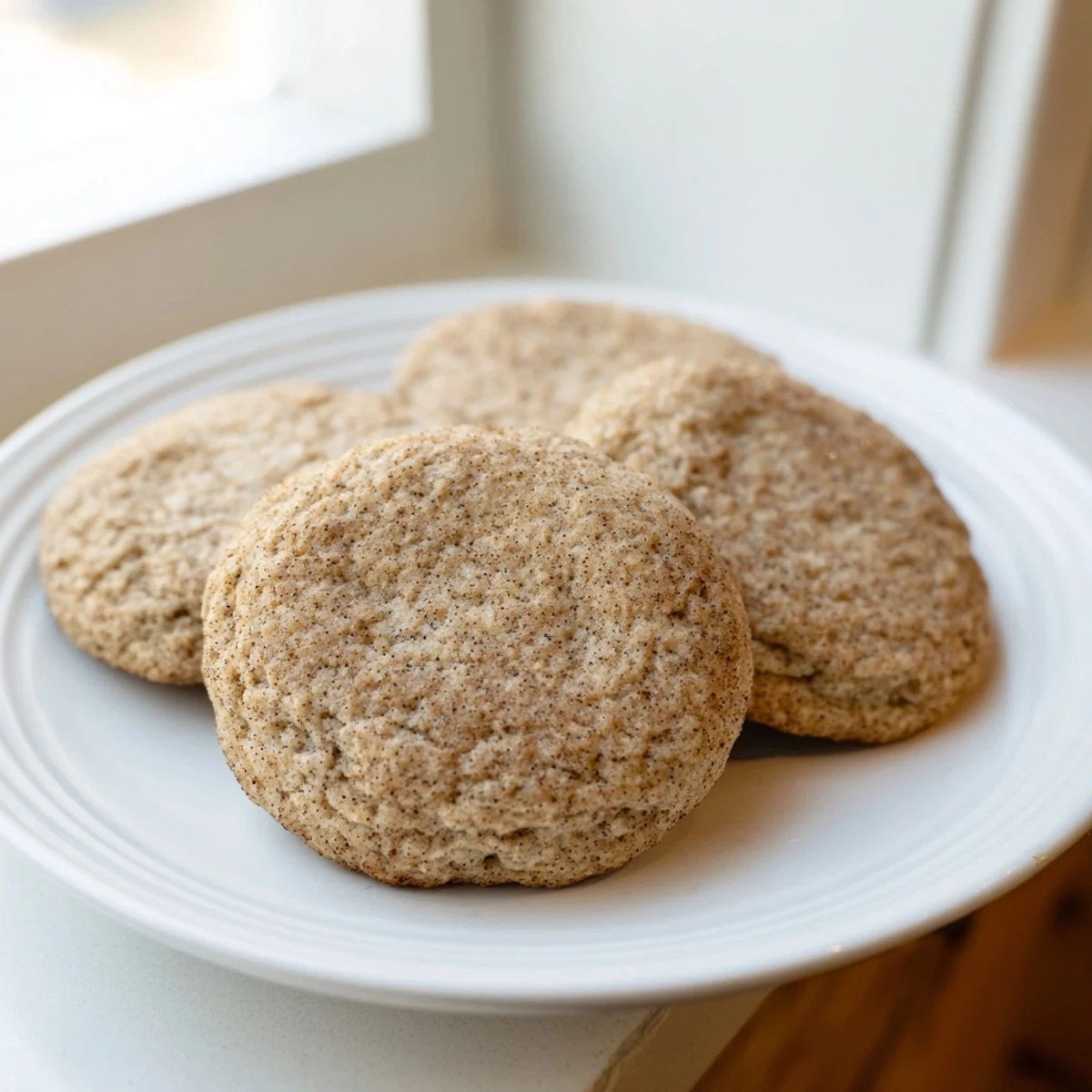
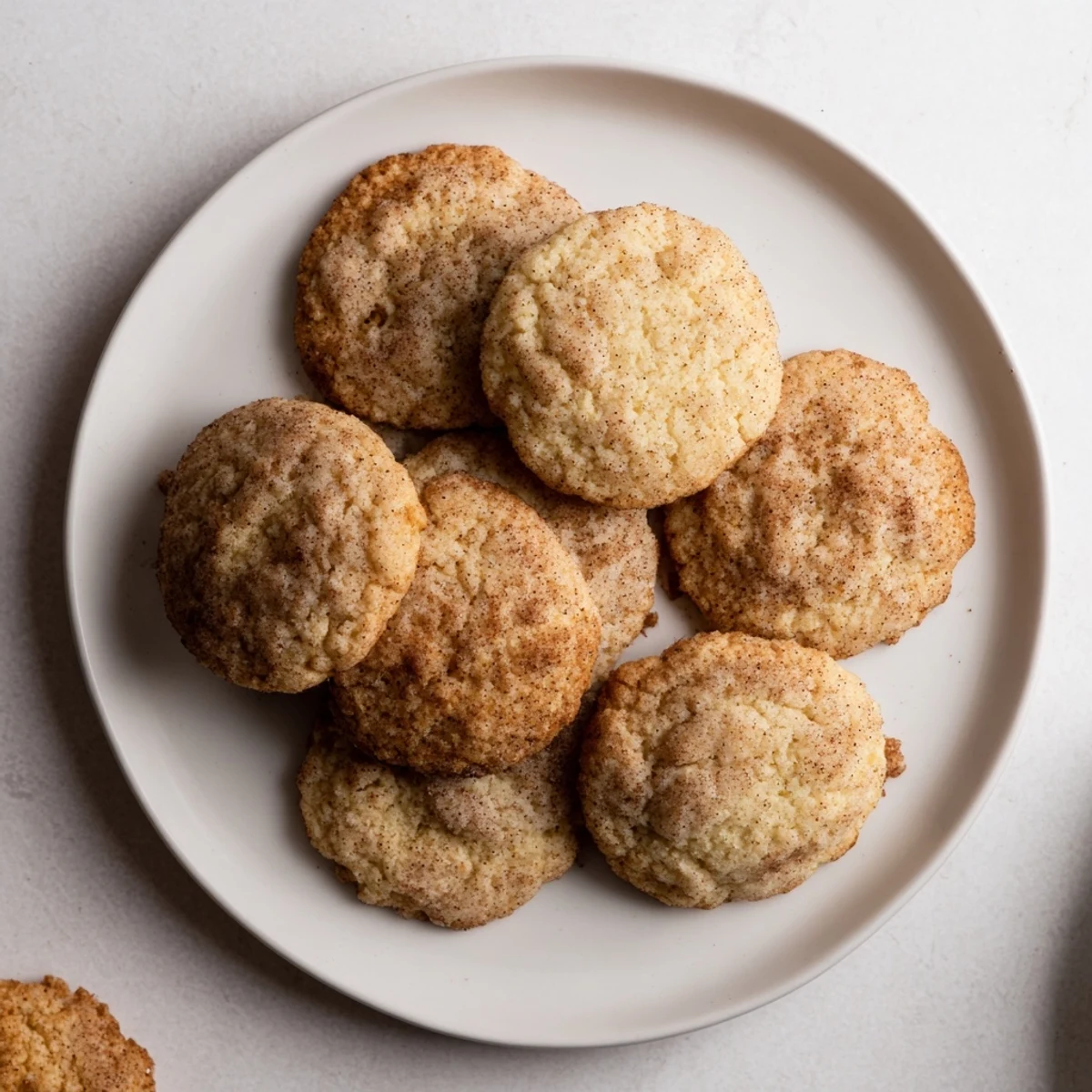
 These buttery cookies combine almond and coconut flours with warm spices like cinnamon, nutmeg, and ginger for a tender, fragrant holiday treat. Sweetened naturally with erythritol, they bake to a golden finish with a soft center perfect for festive gatherings. Simple preparation includes creaming butter and sweetener, blending dry spices, shaping dough balls, and baking until edges turn crisp while the middle stays soft. Optional orange zest or cinnamon sprinkles add seasonal flair. Ideal for keto and gluten-free needs, these cookies store well for up to five days.
I discovered these cookies last December while searching for something sweet that wouldn't derail my keto journey. My kitchen was already fragrant with cinnamon from other holiday baking, and I wondered if I could capture that same warmth in a cookie that actually worked with my goals. The first batch came together almost effortlessly, and when I pulled them from the oven, that familiar spiced aroma filled every corner of my home. My sister stopped by unannounced, caught that scent, and I nervously offered her one—certain she'd find it lacking compared to traditional cookies. She took a bite, paused, and asked for three more. That's when I knew I'd found something special.
I'll never forget bringing these to my office's keto-friendly holiday potluck. Everyone was skeptical—they'd all tried some version of low-carb baking before. But these weren't dense or grainy or that strange texture you get with most keto swaps. People actually reached for seconds, and someone asked if I used regular flour. That moment made me realize these cookies had transcended the keto category entirely. They were just genuinely good cookies that happened to be keto-friendly.
Ingredients
- Almond flour: This is your foundation, providing structure and that tender crumb that makes these cookies melt on your tongue. I learned the hard way that not all almond flours are created equal—blanched almond flour gives you a lighter, more delicate texture than whole almond flour. Buy it fresh and store it in the fridge to prevent any hint of bitterness.
- Coconut flour: This brings subtle depth and helps bind everything together. It's thirsty, so don't skip it or you'll end up with a greasy dough. Think of it as the little secret that makes these cookies special.
- Ground cinnamon: The star of the show. Use fresh cinnamon if you can—it makes an absolute difference in how fragrant and vibrant these cookies become. I buy mine from the bulk section every few months.
- Ground nutmeg and ginger: These create warmth without being obvious about it. They whisper rather than shout, rounding out the cinnamon beautifully. Fresh ground nutmeg is worth the effort if you have a grater.
- Unsalted butter: Softened is key here. Cold butter will fight you the entire way through mixing. Let it sit on your counter for 20 minutes before you start if you're in a hurry.
- Powdered erythritol or monk fruit sweetener: This ensures a smooth, light texture when creamed with butter. Regular granulated sweetener will give you a grainier result. I prefer monk fruit because erythritol can sometimes leave a cooling sensation, though both work beautifully here.
- Egg and vanilla extract: The egg binds everything and adds richness. Vanilla reminds these cookies they're special. Use pure vanilla extract if possible—it matters more than you'd think.
Instructions
- Set your stage:
- Preheat your oven to 350°F and line your baking sheet with parchment paper. This is important—it lets you work without rushing. Your oven should be fully preheated when you slide the cookies in, so they bake evenly and develop those gentle golden edges.
- Blend the dry foundations:
- In a medium bowl, whisk together your almond flour, coconut flour, cinnamon, nutmeg, ginger, salt, and baking powder. Take a moment to really whisk these together—you want the spices distributed evenly so every cookie tastes consistent. I like to whisk for a full 30 seconds, making sure I reach the bottom corners of the bowl where flour likes to hide.
- Cream your butter and sweetener:
- In a large bowl, beat your softened butter with the powdered sweetener until it looks light and fluffy, almost like pale clouds. This usually takes 2 to 3 minutes with an electric mixer, or about 5 minutes if you're using a whisk and some determination. This step is where air gets incorporated, and that air is what makes these cookies tender rather than dense.
- Bring it together:
- Add your egg and vanilla extract to the butter mixture and beat until everything is well combined. You want no streaks of egg visible—this should look like one cohesive, luxurious mixture.
- Marry wet and dry:
- Gradually add your dry ingredients to the wet mixture, stirring gently until a soft dough forms. Don't overmix at this point—you're not making bread. Overmixing develops gluten in the almond flour, which can make cookies tough. Stir just until you see no streaks of dry flour.
- Shape with intention:
- Scoop out tablespoon-sized portions using a cookie scoop if you have one, or just two teaspoons. Roll each portion gently between your palms into a ball, then place it on your prepared baking sheet. Gently flatten each ball with your palm or a fork—don't press too hard, just enough that they're about a quarter-inch thick. These cookies won't spread much, so their final size depends on how you shape them.
- Bake until golden:
- Bake for 12 to 15 minutes, until the edges are golden brown and the centers feel just set when you touch them gently. They'll continue to firm up as they cool, so don't wait for them to feel completely hard in the oven—you want them to pull out when they're just slightly underdone in the very center.
- Cool with patience:
- Let them cool on the baking sheet for 5 minutes first. This lets them firm up just enough to handle without falling apart. Then transfer them to a wire rack to cool completely. This is when they finish cooking from residual heat and develop their final texture.
 Pin It
 There's something almost magical about how these cookies have become part of my traditions now. My nephew, who's also keto, asks if I'm bringing them whenever he hears I'm coming to visit. Last year, he told me they taste like Christmas feels. I think that's the highest compliment a cookie can receive.
Making Them Your Own
The beauty of these cookies is that they're a canvas for your own kitchen creativity. I've experimented with so many variations, and they hold up beautifully to customization. For extra holiday flair, you can sprinkle a cinnamon-erythritol blend on top of each cookie right before baking—it adds a subtle sparkle and reinforces that festive spiced flavor. If you want a citrus twist that's surprisingly beautiful, add a pinch of orange zest to the dough. It brightens everything without being obvious. I've also tried adding a touch of cardamom once, and while unconventional, it was absolutely stunning.
Storing and Gifting
These cookies stay tender and fresh at room temperature in an airtight container for up to five days, which makes them perfect for gifting to friends or family who are also watching their carbs. I've started keeping a batch in my pantry year-round because they're so useful for moments when I want something sweet but don't want to derail my goals. You can also freeze them for up to three weeks, which means you can bake a big batch during a calm weekend and have them on hand for unexpected guests.
The Science of Keto Baking
Understanding why keto baking works differently has made me a much better baker overall. Almond flour behaves differently than wheat flour—it's higher in fat and lower in gluten, which means the final texture is naturally more tender. Erythritol and monk fruit don't caramelize the same way sugar does, which is why we get gentle golden edges rather than deep brown ones. This isn't a limitation though—it's actually a feature that keeps these cookies tender rather than crispy. The egg in this recipe is crucial for binding everything together since we're missing the gluten structure of wheat flour. Every ingredient earns its place here.
- If your cookies spread too much, your butter was too warm or your oven temperature is too high
- If they're too dense, you either over-mixed the dough or your almond flour is old—freshness truly matters with nut flours
- If they're too dry, you might need to add another half egg or a tablespoon more butter next time, especially if you're at high altitude
 Pin It
 These cookies have taught me that keto baking doesn't have to mean sacrifice. It means getting creative, understanding ingredients, and caring enough to do things right. I hope they become part of your kitchen traditions the way they've become part of mine.
Recipe Questions & Answers
- → What gives these treats their warm spice flavor?
-
A blend of ground cinnamon, nutmeg, and a hint of ginger creates the signature warm, fragrant spice profile.
- → Which flours create the tender texture?
-
Almond flour partnered with coconut flour provides a moist crumb that's both tender and slightly crumbly.
- → How is sweetness achieved without sugar?
-
Powdered erythritol or monk fruit sweetener imparts sweetness without traditional sugars, keeping carb count low.
- → What is the ideal baking temperature and time?
-
Baking at 350°F (175°C) for 12 to 15 minutes ensures golden edges with a soft interior.
- → Can I add extra flavor accents before baking?
-
Sprinkling a cinnamon-erythritol blend or a pinch of orange zest before baking elevates the festive aroma and taste.
- → How should these treats be stored?
-
Store in an airtight container at room temperature for up to five days to maintain freshness and texture.