
 Pin It
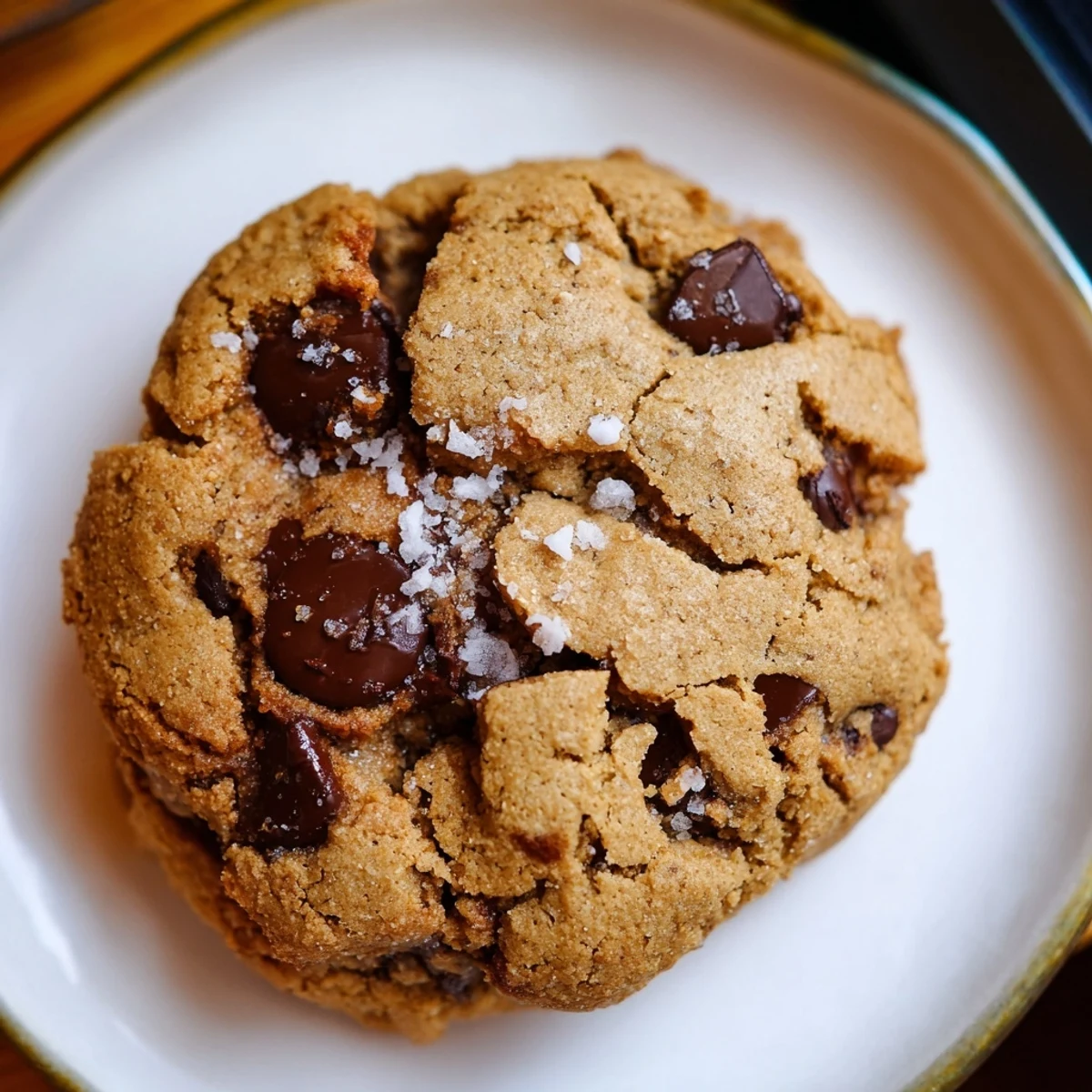
 These soft, chewy gluten-free chocolate chip cookies feature a rich brown sugar base that creates deep caramel notes and tender texture. The gluten-free flour blend with xanthan gum ensures structure while maintaining that classic cookie crunch on the edges and soft center. Using melted butter and brown sugar creates a glossy, fudgy consistency, while the combination of whole egg and extra yolk adds richness. Chill the dough for thicker results, or bake immediately for thinner, crispier edges.
The smell of brown sugar melting into butter still pulls me back to my tiny first apartment kitchen, where I discovered that gluten-free baking could actually taste like something you wanted to eat, not something you settled for.
I brought a batch to my friend Emily's dinner party last month, and after she took her first bite, she actually got quiet for a second. She cannot eat gluten, and she told me later that she had not had a proper chocolate chip cookie in three years. That is the memory that keeps me baking these.
Ingredients
- Gluten-free flour blend: The xanthan gum is non-negotiable here. I tried using a blend without it once, and the cookies just sort of sad-spread into thin, crispy wafers.
- Brown sugar: Pack it down into your measuring cup. The moisture content is what gives these that chewy, almost fudgy texture in the center.
- Melted butter: Do not use cold melted butter, and definitely do not try creaming softened butter instead. The melted version creates those crackly edges while keeping the middle tender.
- Two egg yolks: The extra yolk is my secret for richness. When I first started testing this recipe, I used just one egg and the cookies felt somehow hollow.
- Semisweet chocolate chips: Milk chocolate gets lost in the brown sugar flavor, but dark chocolate can overpower it. Semisweet hits that perfect balance.
Instructions
- Get your oven ready:
- Preheat to 350°F and line your baking sheets with parchment. I skip this step when I am in a rush, and I always regret it when cookies stick.
- Whisk the dry team:
- Combine the flour, baking soda, baking powder, and salt in a medium bowl. Give it a good whisk to break up any clumps in the flour blend.
- Melt that butter:
- Pour your melted butter over the brown sugar and whisk for a full minute. It should look glossy and smooth, like caramel sauce.
- Add the eggs:
- Crack in the whole egg and the extra yolk, then pour in the vanilla. Whisk until you cannot see streaks of egg anymore.
- Bring it together:
- Fold the dry ingredients into the wet mixture with a spatula. Stop as soon as the flour disappears. Overmixing makes gluten-free baked goods tough.
- Chocolate time:
- Fold in the chocolate chips until they are evenly distributed. I always sneak a few chips while doing this step.
- Scoop and space:
- Use your cookie scoop to portion 2 tablespoons of dough per cookie, leaving 2 inches between them. They will spread, but not as much as regular cookies.
- Bake until just set:
- Slide them into the oven for 11 to 13 minutes. The edges should look golden, but the centers will still seem slightly soft. That is exactly right.
- The patience part:
- Let them cool on the baking sheet for 5 minutes. They firm up during this time. Then move them to a wire rack to finish cooling.
 Pin It
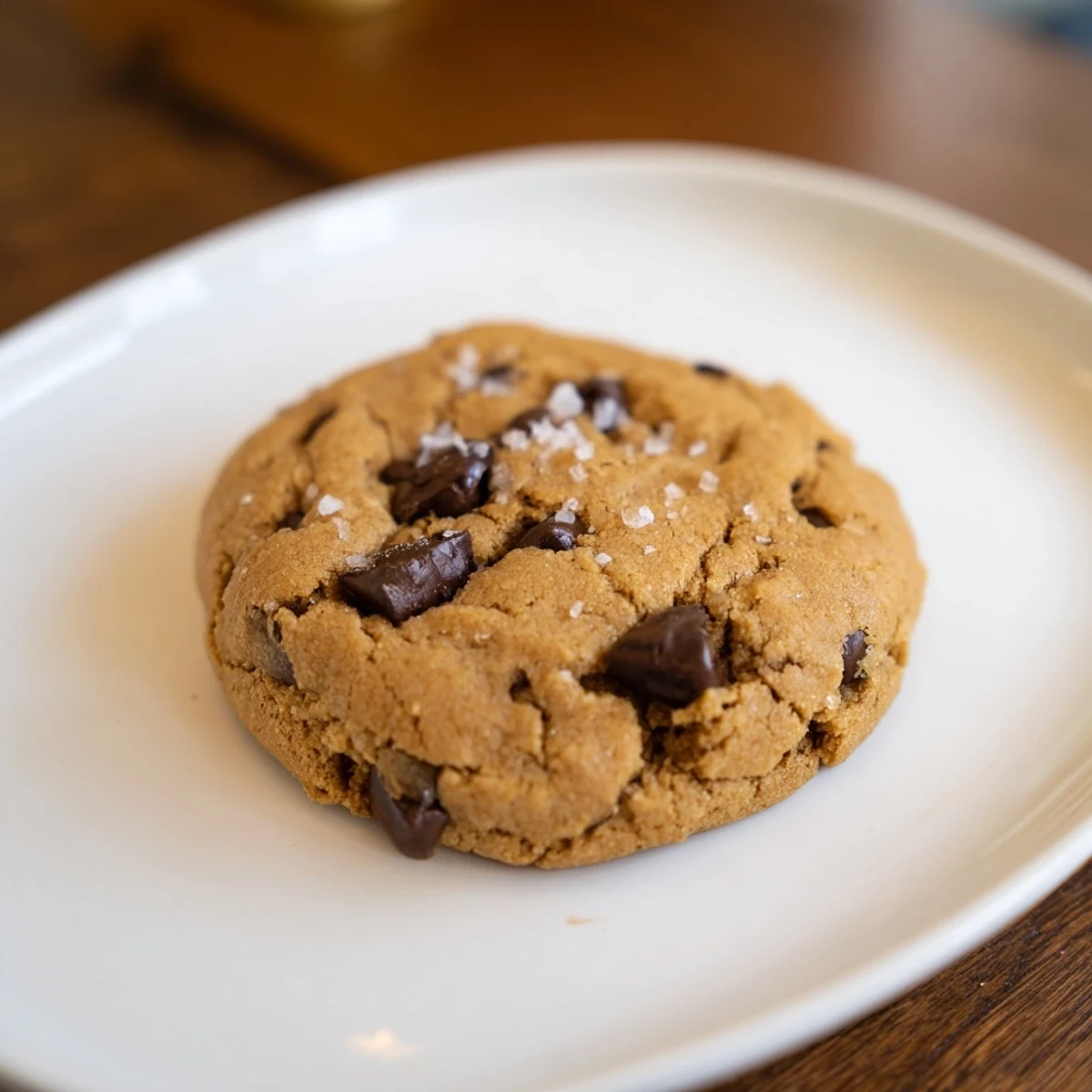
 My mom asked me to make these for Christmas last year, and she accidentally ate three before realizing they were the gluten-free ones she had been skeptical about all evening. Sometimes the best reaction is no reaction at all, just enjoyment.
The Texture Secret
What makes these work is actually the combination of melted butter and extra egg yolk. I spent months testing creamed butter vs melted butter, and melted consistently produced that soft center everyone wants in a chocolate chip cookie. The yolk adds fat without extra water, which keeps the cookie tender instead of cakey.
Flour Wisdom
Not all gluten-free flour blends are created equal. The ones with xanthan gum already blended in give the most consistent results. If your flour does not contain it, you will need to add about half a teaspoon to the dry ingredients. I learned this after an entire batch of cookies that simply fell apart when I tried to lift them off the sheet.
Storage and Sharing
These cookies actually improve after the first day. The brown sugar continues to break down slightly, creating an even softer texture. I keep them in an airtight container on the counter for up to five days, though they have never lasted that long in my house. They freeze beautifully too, if you can resist eating them all fresh.
- Pop a room-temperature cookie in the microwave for 10 seconds to recreate that fresh-baked warmth
- The dough scoops freeze well. Bake them straight from frozen, adding 1 to 2 minutes to the baking time
- If your cookies seem flat, make sure your baking soda is fresh. Expired baking soda is the silent killer of cookie recipes
 Pin It
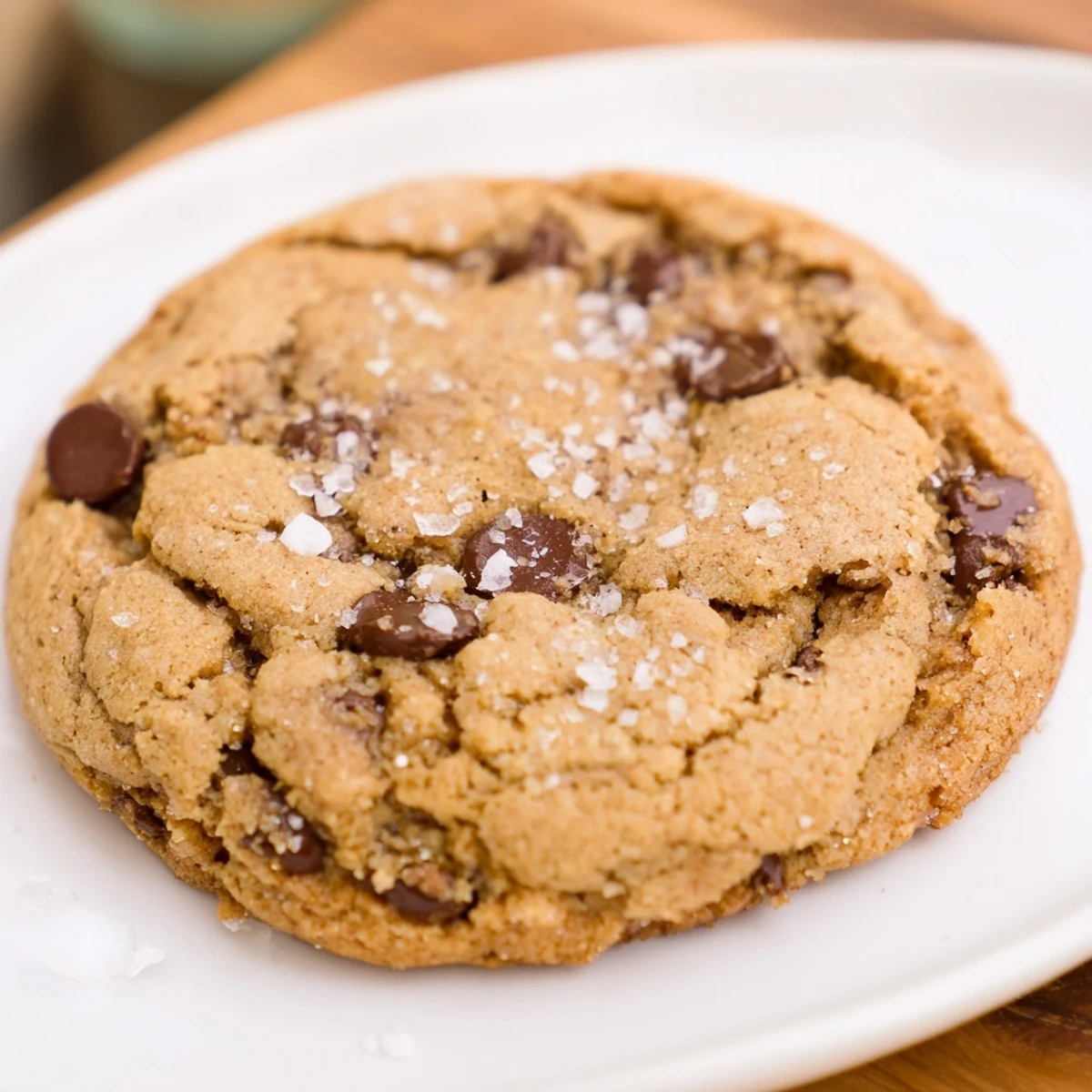
 There is something deeply satisfying about watching someone who cannot eat gluten take that first bite of a real, proper chocolate chip cookie. These cookies are not almost as good. They are just good, period.
Recipe Questions & Answers
- → Why use melted butter instead of softened?
-
Melted butter dissolves the brown sugar completely, creating a denser, chewier texture with crisp edges. This method also eliminates the need for a mixer, making preparation faster and easier.
- → Can I chill the dough before baking?
-
Yes, chilling for 30 minutes prevents excessive spreading and yields thicker cookies with a softer center. Wrap dough tightly and refrigerate, then scoop and bake when ready.
- → What gluten-free flour blend works best?
-
Choose a high-quality all-purpose gluten-free blend containing xanthan gum. Xanthan gum provides elasticity and structure, preventing crumbly textures. Brands like King Arthur, Bob's Red Mill, or Cup4Cup perform well.
- → How do I know when cookies are done?
-
Bake until edges are lightly golden but centers appear slightly underdone. They'll continue cooking on the hot baking sheet during the 5-minute cooling period. This technique ensures soft, chewy centers.
- → Can I make these dairy-free?
-
Substitute dairy-free butter sticks for the unsalted butter and use dairy-free chocolate chips. The texture remains similar, though flavor may vary slightly depending on your butter alternative choice.
- → Why add both egg and egg yolk?
-
The extra yolk increases fat content, creating richer flavor and fudgier texture. Whole egg provides structure while the yolk contributes to that soft, chewy consistency brown sugar cookies are known for.