
 Pin It
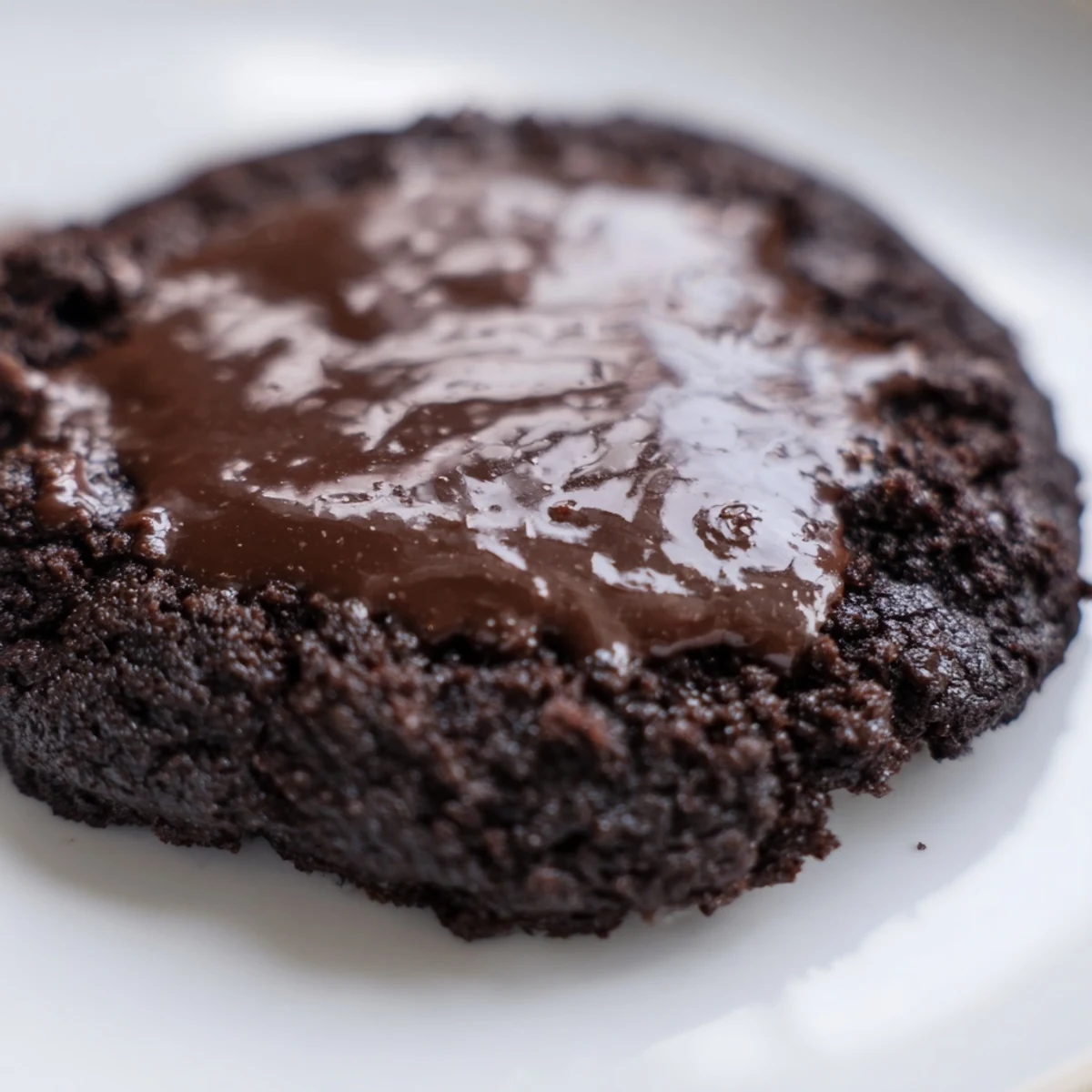
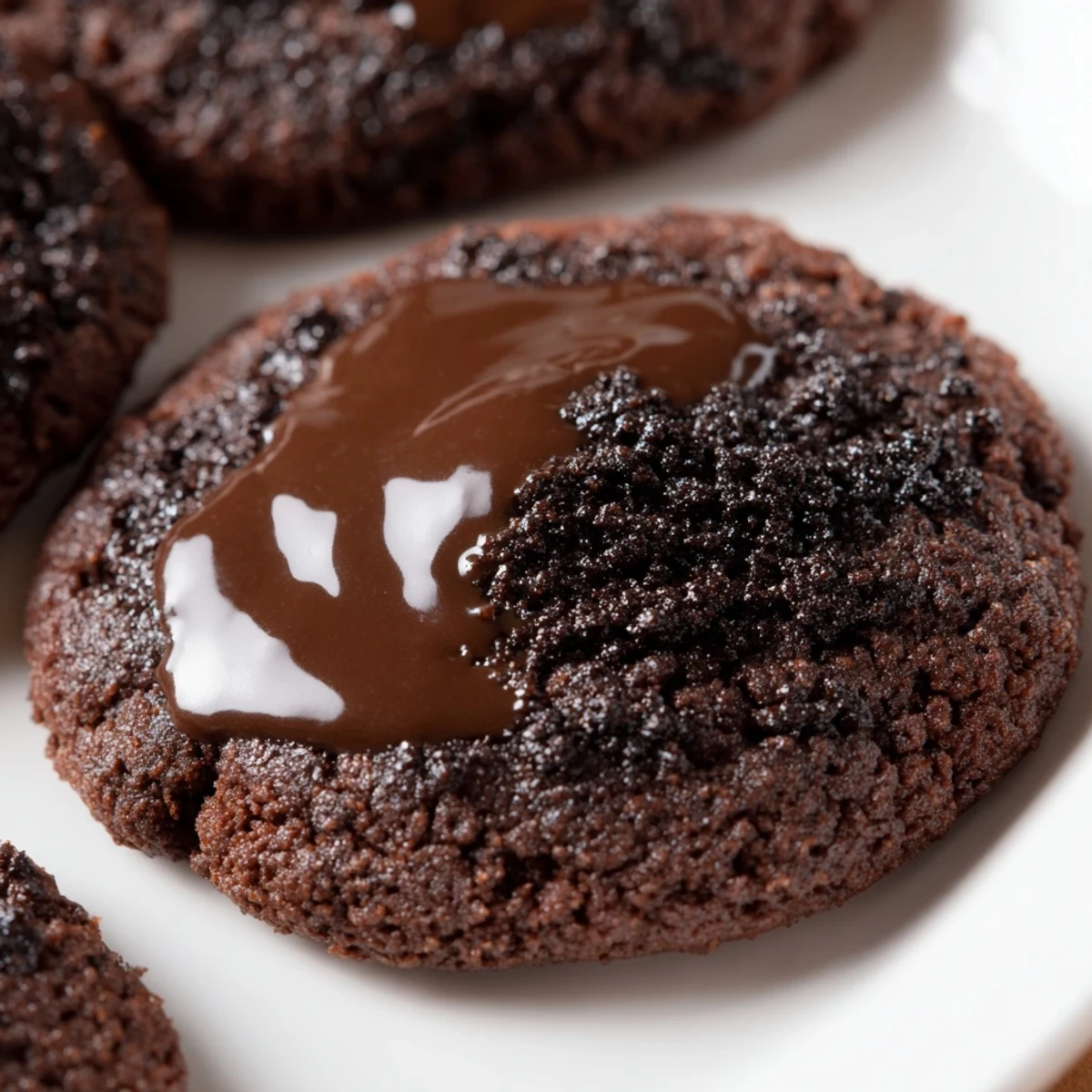
 These soft vegan cookies blend rich cocoa with espresso powder, creating a gentle mocha flavor. The dough is crafted from simple dry and wet ingredients including oat milk and coconut oil, offering a dairy-free, nut-free indulgence. Once baked, they're crowned with a smooth espresso glaze that adds a luscious, energizing finish. Perfectly balanced, they make a delightful treat for coffee lovers seeking a tender, flavorful bite.
There's something about the smell of espresso mingling with chocolate that stops me mid-morning. Last winter, I was experimenting with vegan baking and got a little too ambitious with my coffee cup sitting next to the mixing bowl. A small splash landed in the dry ingredients, and instead of starting over, I leaned into it—dissolving more espresso powder into the wet mixture. Those first cookies came out tender, almost fudgy, with this unexpected depth that made everyone ask for the recipe before even tasting them.
I made these for my roommate's birthday potluck, and she devoured four before anyone else even sat down. The way the frosting caught the afternoon light, glossy and dark, made them look far fancier than the casual 12 minutes in the oven suggested. That's when I realized these cookies have a quiet elegance—they look like they took hours but taste like you actually have your life together.
Ingredients
- All-purpose flour: The foundation—1½ cups gives you structure without making these dense or cake-like.
- Unsweetened cocoa powder: Don't skimp on quality here; ½ cup creates that deep chocolate flavor the espresso needs to shine against.
- Baking powder and baking soda: Together they're magic—1 tsp and ½ tsp respectively—creating lift and tenderness without eggs.
- Fine sea salt: Just ¼ tsp, but it wakes up the chocolate and balances the sweetness.
- Coconut oil, melted: ½ cup keeps these cookies soft and fudgy; if you're avoiding coconut, sunflower oil works beautifully.
- Light brown sugar: ¾ cup packed—the molasses gives you moisture and a subtle caramel undertone.
- Oat milk: ¼ cup helps bind everything and keeps the dough workable without being sticky.
- Instant espresso powder: 2 tbsp dissolved in hot water is the soul of this recipe; it intensifies the chocolate without tasting bitter.
- Pure vanilla extract: 2 tsp adds warmth and prevents the cookies from tasting one-dimensional.
- Powdered sugar: 1 cup sifted for the frosting—sifting prevents lumpy glaze that won't drizzle smoothly.
- Strong brewed espresso: 2 tbsp cooled for frosting; use actual espresso, not instant, for a glossier finish.
- Plant-based milk: 1 tbsp for frosting; add it slowly since the consistency matters for drizzling.
Instructions
- Set up your station:
- Preheat to 350°F and line your baking sheets with parchment. This takes two minutes and saves you from cookies sticking or baking unevenly on the edges.
- Build your dry base:
- Whisk flour, cocoa, baking powder, baking soda, and salt in a medium bowl. The whisking aerates the flour and distributes the leavening agents evenly so every cookie rises the same way.
- Create the wet mixture:
- In a large bowl, combine melted coconut oil and brown sugar, whisking until it looks smooth and slightly lighter. This step emulsifies everything and makes room for what comes next.
- Add the espresso moment:
- Pour in the oat milk, your dissolved espresso, and vanilla, then whisk until combined. You'll notice the mixture becomes glossy and darker—that's the espresso settling in.
- Marry the doughs:
- Gradually fold the dry ingredients into the wet mixture using a spatula or wooden spoon. Fold, don't stir—this keeps air in the batter and prevents tough cookies.
- Portion with intention:
- Scoop tablespoon-sized mounds onto your prepared sheets, leaving 2 inches between each one. They spread gently as they bake, and crowding them creates dense edges and soft centers instead of evenly tender cookies.
- Bake to softness:
- Bake for 10–12 minutes; they'll look barely set in the middle. The cookies continue cooking slightly on the hot pan, so pulling them out just a touch underdone gives you that signature fudgy texture.
- Cool with patience:
- Let them rest on the sheet for 5 minutes—this firms them up enough to move without falling apart—then transfer to a wire rack to cool completely. Frosting warm cookies makes it melt and slide off.
- Make the frosting:
- Whisk together sifted powdered sugar, cooled espresso, plant-based milk, and a pinch of salt. Add the milk slowly; you want a consistency thick enough to coat a spoon but pourable enough to drizzle.
- Crown your cookies:
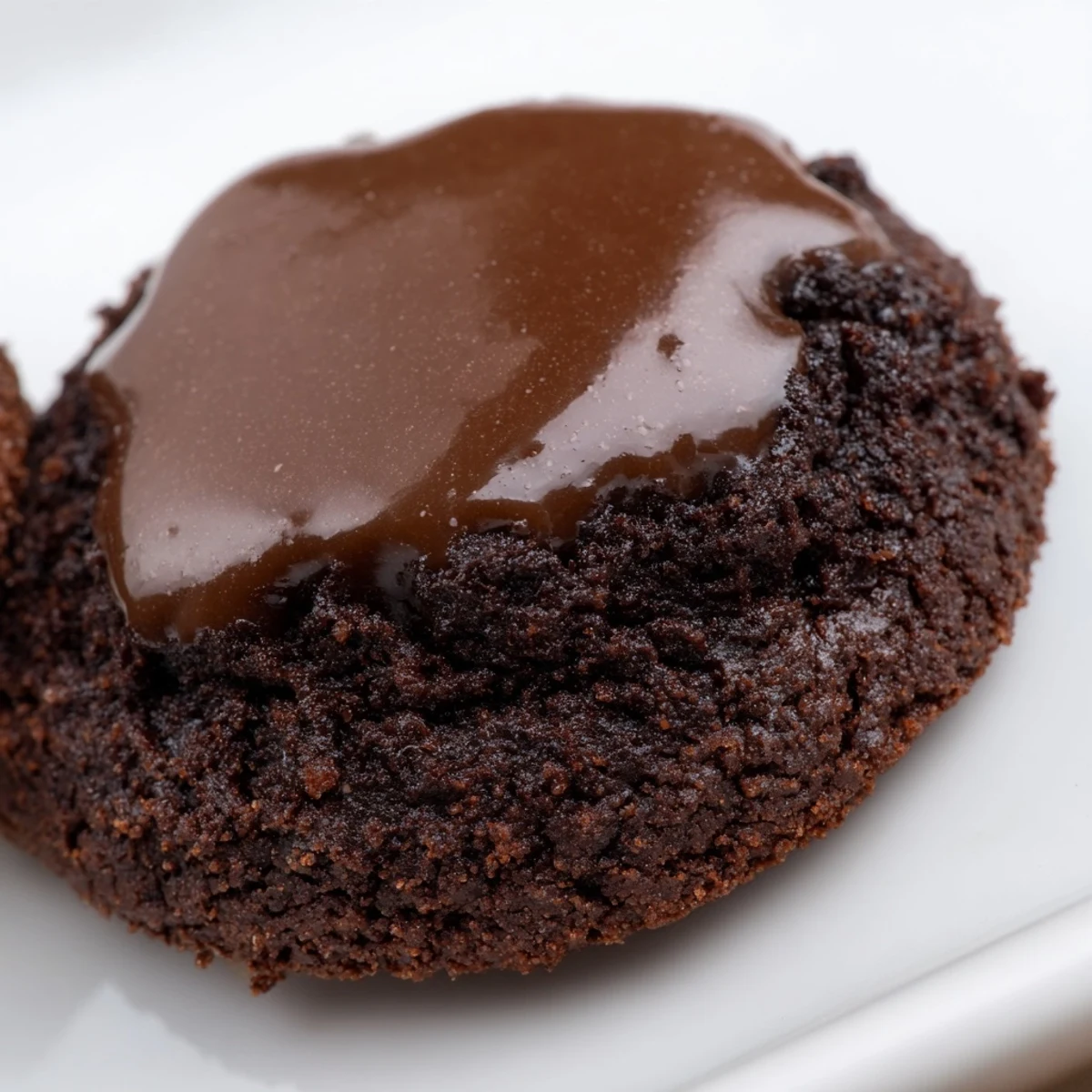
- Once cookies are cool, drizzle or spread the frosting over each one. Let it set for about 15 minutes before serving so it doesn't smudge off on your hands.
 Pin It
 What struck me most was how my coffee-loving friend admitted these tasted better than the espresso brownies she'd been making for years. There's something about the combination of soft, fudgy cookie with that glossy mocha frosting that makes you pause and actually taste something instead of mindlessly reaching for another.
Why This Recipe Works
The secret is treating espresso as an ingredient that deepens chocolate, not one that fights for attention. Dissolving the instant espresso in hot water before adding it to the dough means it distributes evenly and becomes part of the structure rather than grainy bits scattered throughout. I learned this the hard way after a batch with undissolved powder left little bitter pockets that made some cookies taste unpleasant. The brown sugar is equally important—it adds moisture that coconut oil alone can't provide, which is why these stay soft for days instead of drying out like some vegan baked goods do.
Variations and Customizations
Once you understand the ratios, this recipe becomes a template for creativity. I've added vegan chocolate chips for richness, swirled in a bit of coconut butter for decadence, and even added 1 extra tablespoon of espresso powder when I wanted a deeper mocha flavor. The frosting also tolerates tweaking—a tiny bit of almond extract added to it once gave these an almost biscotti quality that paired perfectly with tea. What matters is keeping the wet-to-dry ratio roughly the same so your dough stays soft and cohesive.
Making These a Regular
These cookies have become my go-to when I need something that looks impressive but doesn't require a three-hour time commitment. I started keeping instant espresso and cocoa powder stocked, and now I can make a batch almost without thinking. They travel well, stay soft for days, and somehow feel both comforting and a little luxurious at the same time.
- Mix and bake them on a weeknight; frost them the next morning when you're more patient with the details.
- Store them in an airtight container at room temperature for up to five days, or freeze the frosted cookies for up to two weeks.
- Double the recipe and freeze the unfrosted cookies for whenever you need a quick treat with minimal effort.
 Pin It
 These cookies quietly become a favorite once you make them once. There's no fanfare, just the simple pleasure of chocolate and espresso done right, with minimal fuss and maximum satisfaction.
Recipe Questions & Answers
- → What ingredients give these cookies their mocha flavor?
-
Instant espresso powder dissolved in hot water is mixed into the dough and the frosting, imparting a rich mocha taste.
- → How can I make these cookies nut-free?
-
Use sunflower oil instead of coconut oil for a nut-free version without sacrificing texture or flavor.
- → What plant-based milks work best in this preparation?
-
Oat milk is recommended for its mild flavor, but any plant-based milk such as almond or soy can be used.
- → Can I add chocolate chips to these cookies?
-
Yes, incorporating vegan chocolate chips will enhance the chocolate depth and provide extra indulgence.
- → How should the espresso glaze be applied?
-
Once the cookies are fully cooled, drizzle or spread the glaze evenly over each cookie and let it set before serving.
- → What is the baking time and temperature for these cookies?
-
Bake at 350°F (175°C) for 10 to 12 minutes until soft and set but not crisp.