
 Pin It
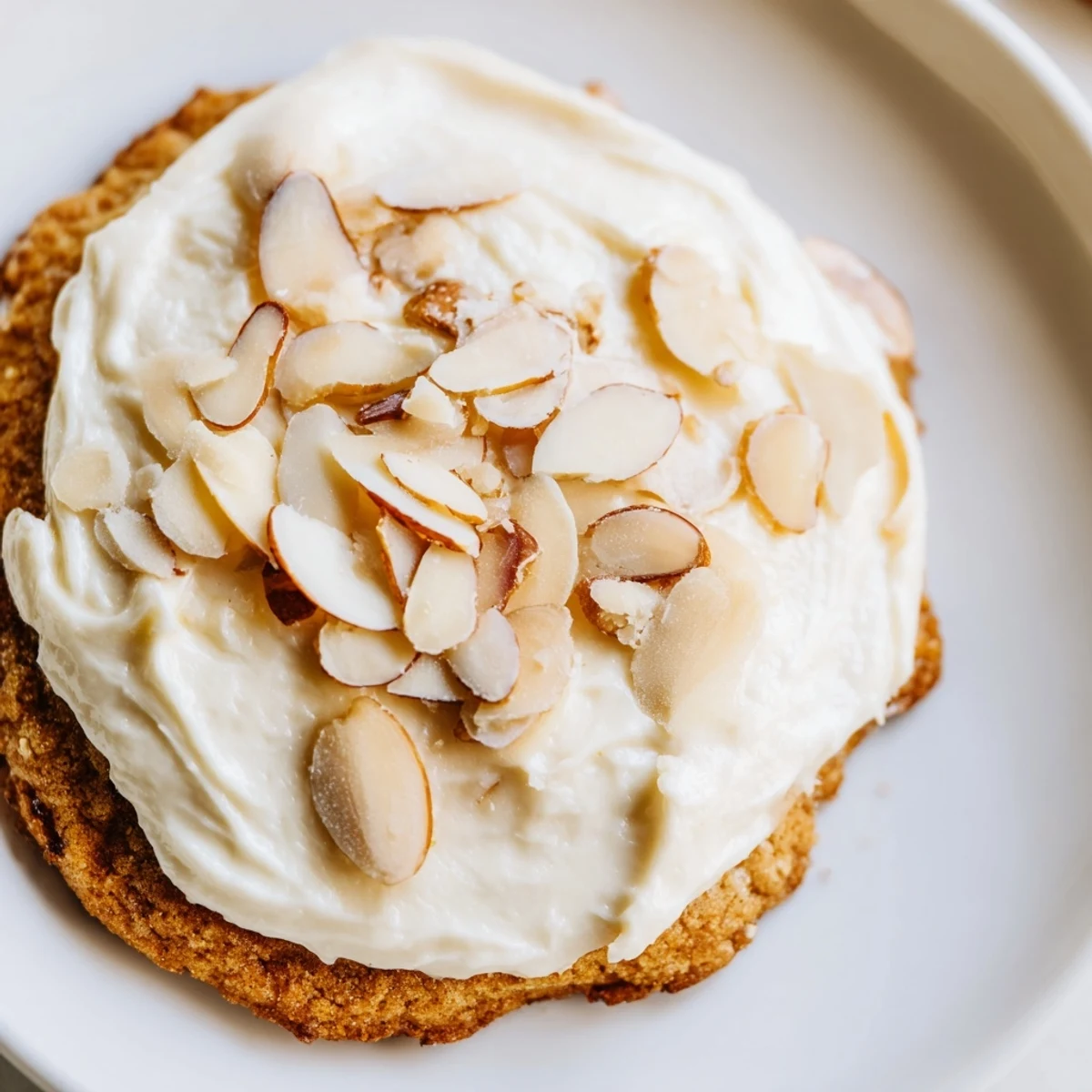
 These crisp almond cookies combine toasted sliced almonds with a buttery, slightly sweet dough made from blanched almond flour. After baking to golden perfection, they’re topped with a creamy sugar-free vanilla frosting that adds smooth sweetness without carbs. Ideal for those following keto and gluten-free lifestyles, this delicacy balances flavor and texture beautifully. Simple ingredients and easy steps make these cookies a delightful treat that can be enjoyed anytime, with tips for dairy-free alternatives and storage included.
My kitchen smelled like toasted almonds for a week straight after discovering these cookies, and honestly, I wasn't complaining. A friend brought a batch to a low-carb dinner party, and within minutes, they'd disappeared from the plate. The moment I tasted one—that buttery crispness giving way to creamy vanilla frosting—I knew I had to figure out the recipe. What started as a casual request turned into my go-to dessert for anyone watching their carb intake, myself included.
I'll never forget my mom's face when she bit into one of these at lunch—she actually paused mid-chew, surprised that something this good could fit into her meal plan. She asked for the recipe before she'd even finished the first cookie. Now she makes them every Sunday, and her kitchen always has a container waiting.
Ingredients
- Blanched almond flour: This is your foundation—it creates that tender, almost cake-like crumb that makes these cookies special. Make sure it's finely ground; coarser flour can make them gritty.
- Toasted sliced almonds: These are the stars of the show, adding crunch and genuine almond flavor that powdered flour alone can't deliver. Toast them yourself if you have time; it makes a real difference.
- Erythritol or keto sweetener: Choose powdered erythritol for the frosting to avoid grittiness, and use your preferred granulated version for the dough. Different sweeteners behave differently, so stick with what you know works.
- Baking soda and fine sea salt: Just a touch of each keeps the cookies tender and brings out the almond flavor without making them taste salty.
- Unsalted butter and egg: These bind everything together and give the cookies their signature buttery richness. Room-temperature butter makes the frosting smoother.
- Vanilla extract: A full teaspoon in both dough and frosting ensures the vanilla presence shines without overpowering the almonds.
- Heavy cream: This makes the frosting silky and spreadable; don't skip it or your frosting will be too stiff.
Instructions
- Set the stage:
- Preheat your oven to 350°F and line a baking sheet with parchment paper. This prevents sticking and makes cleanup effortless.
- Build the dough base:
- Whisk together almond flour, erythritol, baking soda, and salt in a large bowl until evenly combined. Any lumps of sweetener will bake into gritty pockets, so take a moment here.
- Bring it together:
- Stir in melted butter, egg, and vanilla until the dough just comes together—it should be thick but moldable. Don't overmix or the cookies can get tough.
- Add the texture:
- Fold in those toasted sliced almonds gently, letting them scatter throughout the dough. You'll see flecks of almond in every bite.
- Shape and bake:
- Scoop tablespoon-sized portions onto your prepared sheet and flatten each one slightly with your fingers or fork. Bake for 12 to 15 minutes until the edges turn golden brown—they'll still feel slightly soft when warm, but they firm up beautifully as they cool completely on the sheet.
- Frost with confidence:
- Beat softened butter and powdered erythritol until smooth and pale, then add heavy cream, vanilla, and a pinch of salt. Beat until fluffy and spreadable, like clouds you can frost with.
- Finish them:
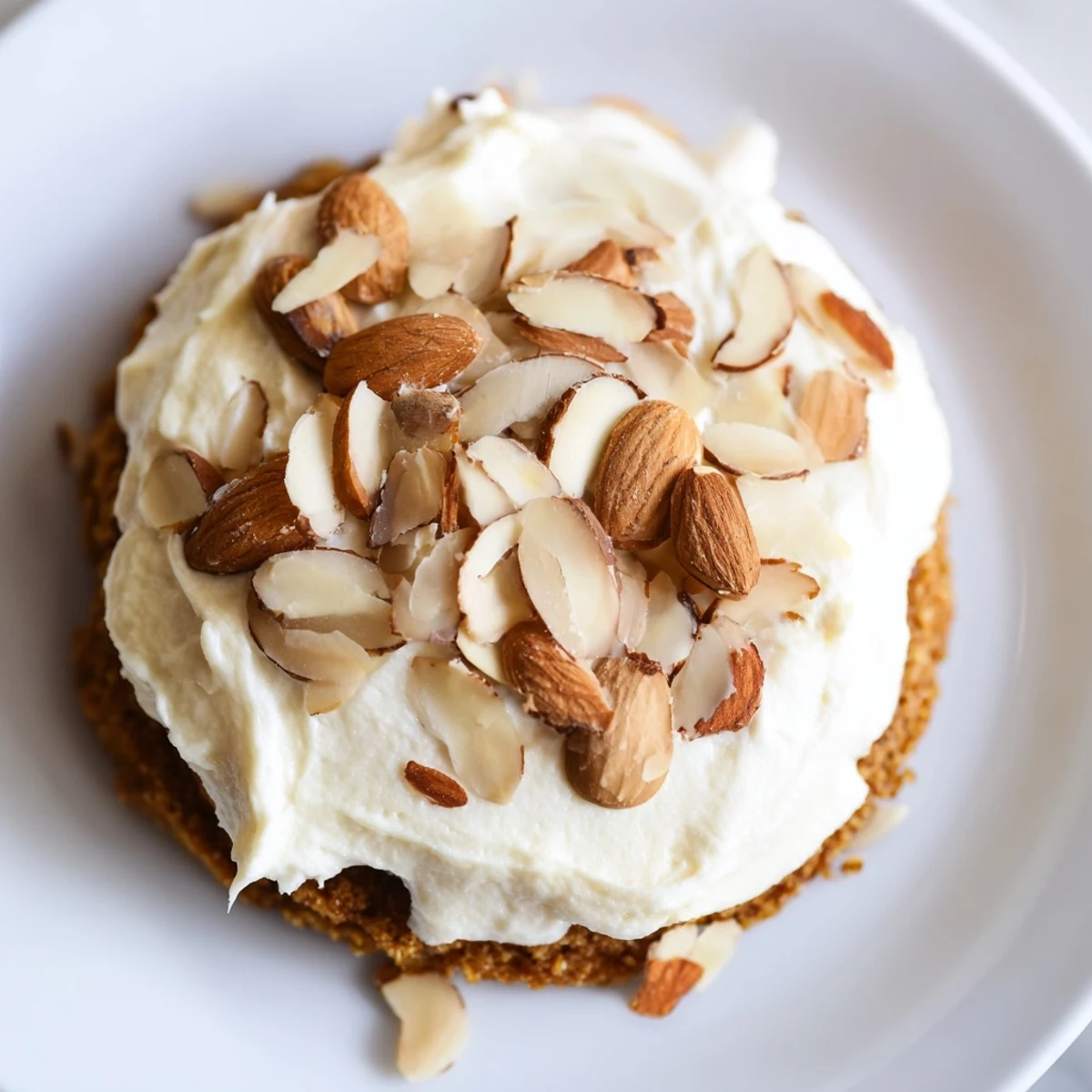
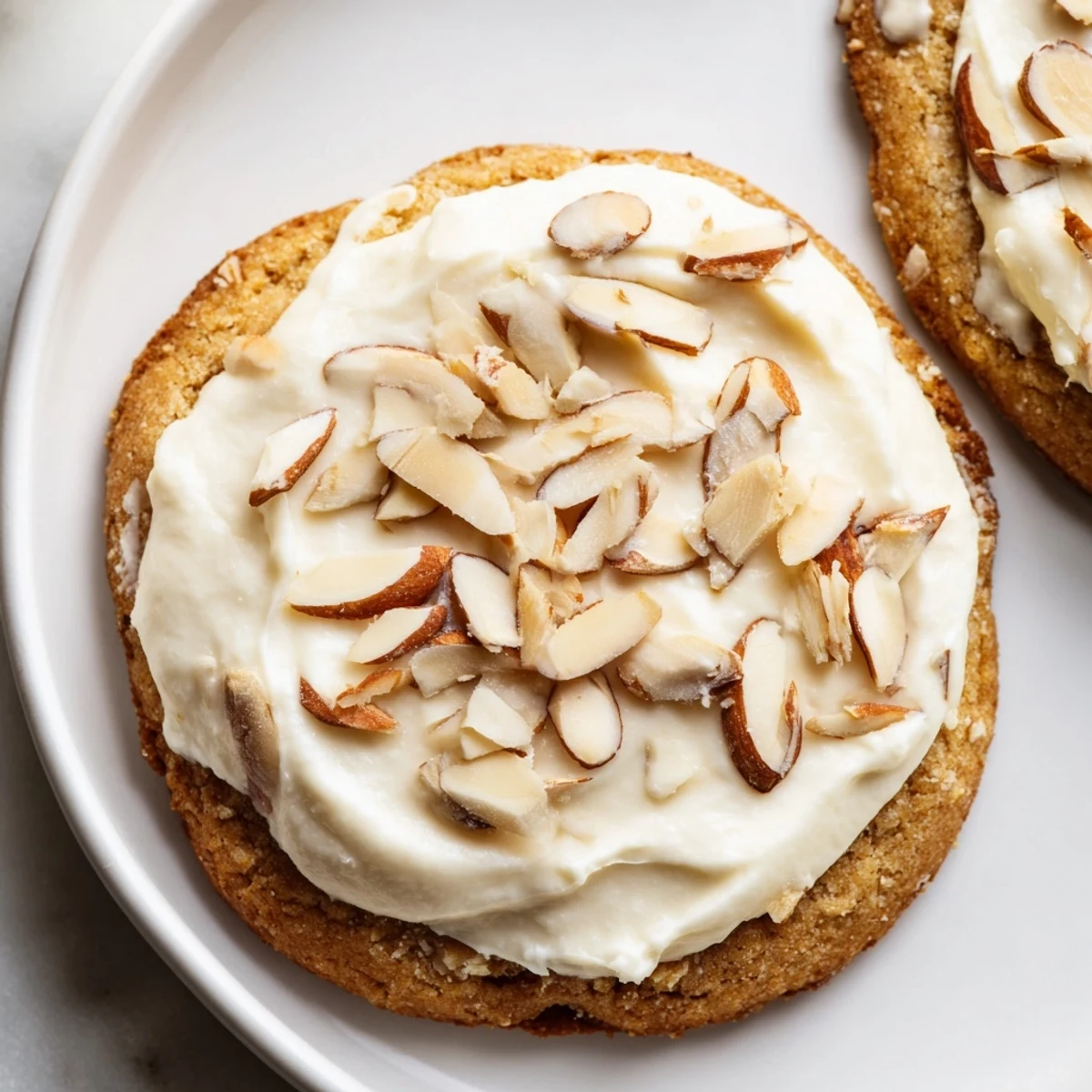
- Once the cookies are completely cool, spread or pipe the frosting generously on top. A few extra toasted almond slivers on each cookie make them look intentional and taste even better.
- Store properly:
- Keep them in an airtight container in the refrigerator for up to five days, or freeze for longer storage without losing quality.
 Pin It
 There was a moment when my sister brought her own keto cookies to a family gathering and mine disappeared first—she's still not over it. That's when I realized these weren't just a diet workaround; they were actually delicious cookies that happened to fit a lifestyle.
The Magic of Toasted Almonds
Toasting almonds yourself transforms them from mild to deeply flavorful—it's one of those small kitchen secrets that costs nothing but time. The moment you add them to the dough, they distribute little pockets of richness throughout each cookie. If you use pre-toasted almonds, make sure they haven't been sitting in a pantry for months; stale nuts make stale-tasting cookies.
Sweetener Strategy
Not all sugar substitutes behave the same way, and swapping them out can change everything. Erythritol gives the best texture for keto baking, but if you prefer monk fruit or allulose, the cookies will still work—just test a small batch first. Some people find erythritol leaves a slight cooling sensation, which you won't notice here thanks to the rich buttery base and almonds.
Making Them Your Own
These cookies are a blank canvas waiting for your creativity. A touch of almond extract deepens the almond flavor beautifully, while a sprinkle of cinnamon or a hint of cardamom adds unexpected warmth. For a dairy-free version, swap butter for coconut oil and heavy cream for coconut cream—the cookies stay crispy, just with a subtle coconut undertone.
- Try adding 1/4 teaspoon of almond extract to the dough for richer almond taste.
- A pinch of cinnamon or cardamom in the frosting pairs wonderfully with the almonds and vanilla.
- These freeze beautifully for up to two months, so double the batch when you're feeling productive.
 Pin It
 These cookies prove that eating keto doesn't mean sacrificing the simple pleasure of a buttery, frosted treat. Make them once, and they'll become a regular on your kitchen counter.
Recipe Questions & Answers
- → What gives these cookies their crisp texture?
-
The combination of blanched almond flour and toasted sliced almonds, along with baking time until edges turn golden, creates a crisp, buttery texture.
- → How is the sugar-free vanilla frosting made?
-
Softened butter is whipped with powdered erythritol, heavy cream, vanilla extract, and a pinch of salt until creamy and fluffy.
- → Can these be made dairy-free?
-
Yes, substituting butter with coconut oil and heavy cream with coconut cream creates a dairy-free version.
- → How should these cookies be stored?
-
Store in an airtight container in the refrigerator for up to five days to keep them fresh and the frosting firm.
- → Are these suitable for keto diets?
-
Yes, these cookies are low in carbs and use keto-friendly sweeteners, making them ideal for low-carb lifestyles.