
 Pin It
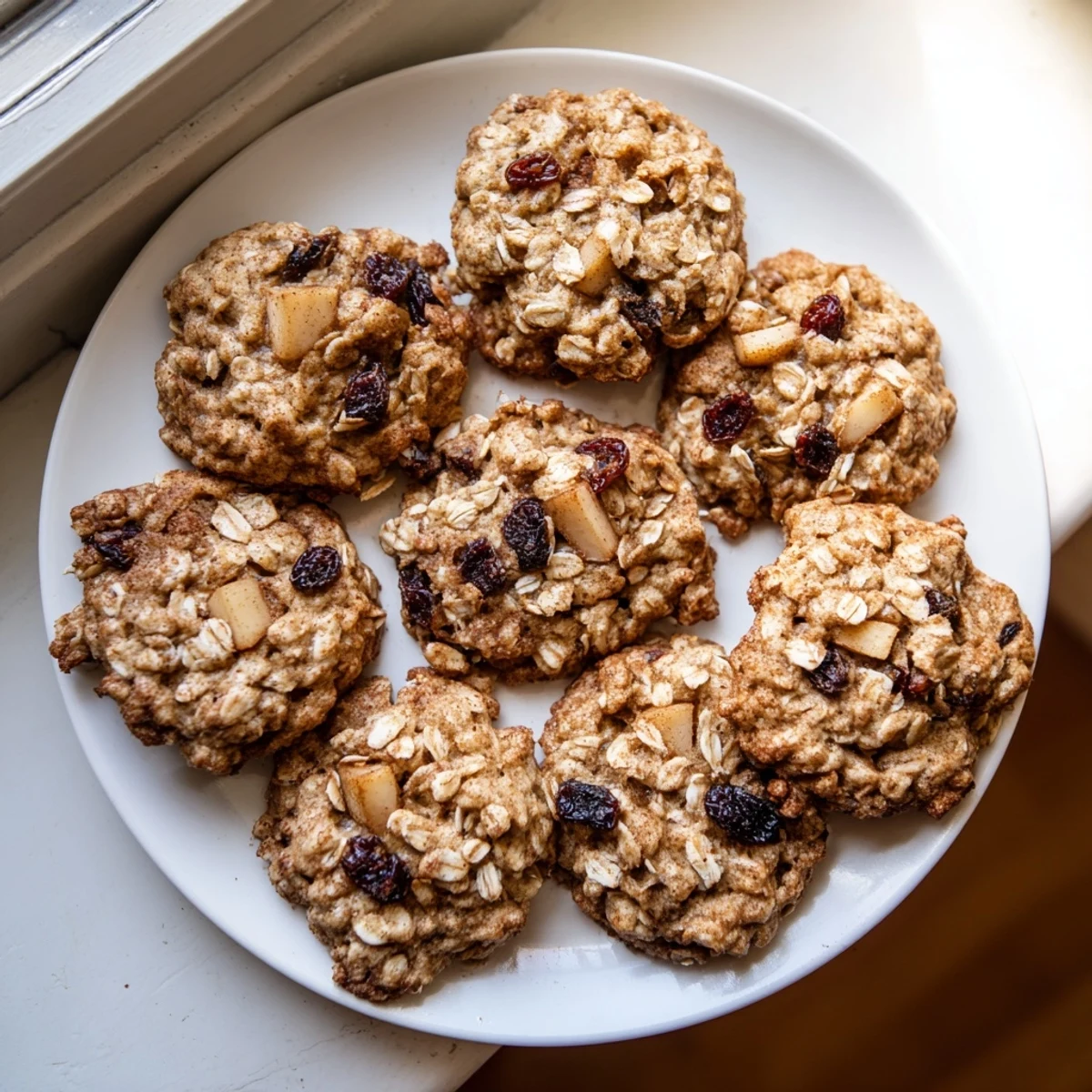
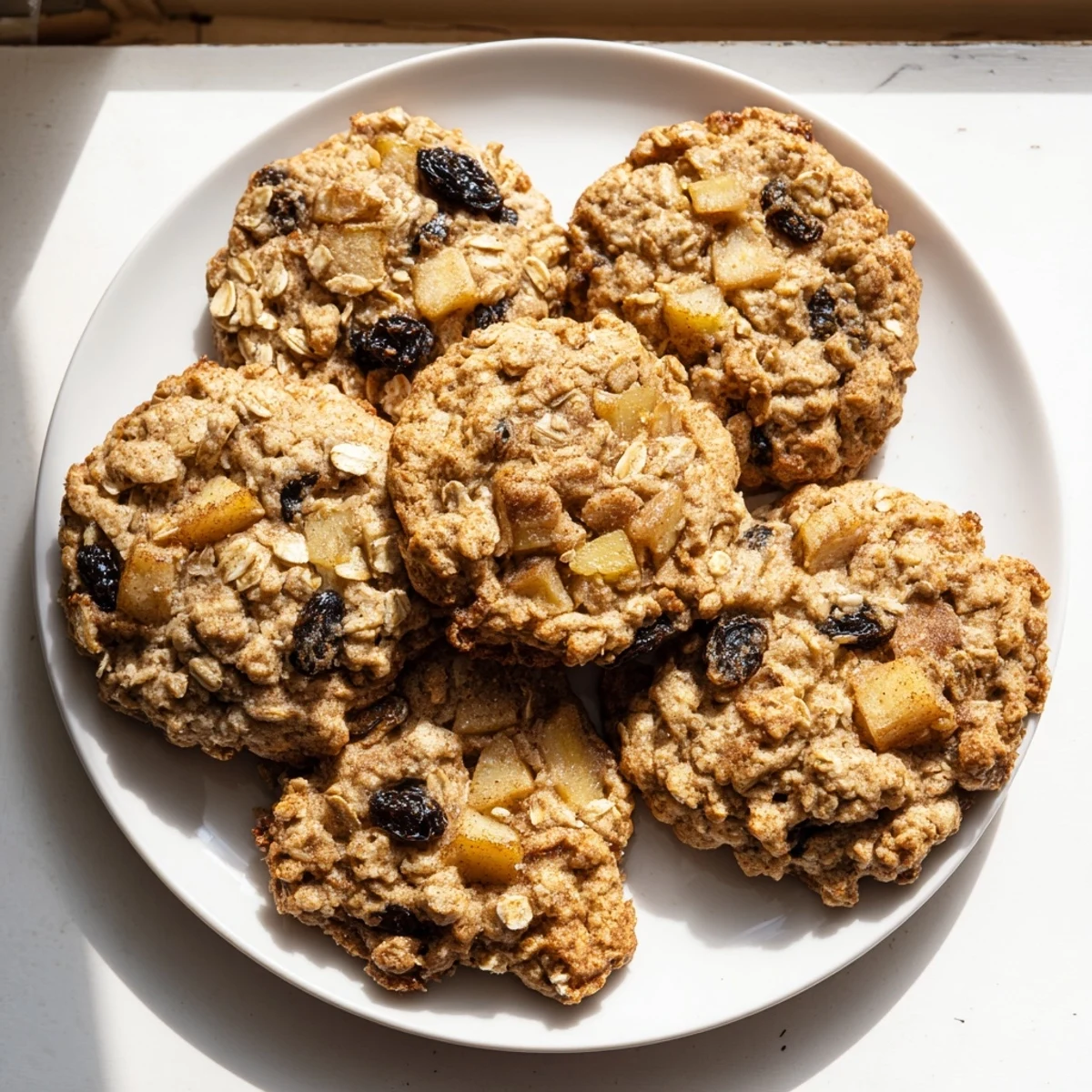
 These soft and chewy cookies combine the warmth of cinnamon with natural sweetness from honey and fresh diced apples. Plump raisins add bursts of sweetness throughout every bite. The oatmeal base creates a hearty texture while keeping them tender. Perfect for breakfast, snacks, or dessert.
Mixing comes together quickly with just 20 minutes of prep time. The dough uses melted butter and honey for moisture, while old-fashioned oats provide that classic chewy texture. Bake until edges are golden for the perfect balance of crisp outside and soft center.
Store in an airtight container and they'll stay fresh for days. Try adding chopped walnuts for extra crunch or swapping cranberries for the raisins to customize.
The kitchen smelled like a Saturday morning in October, even though it was a random Tuesday and I was just trying to use up apples sitting on the counter past their prime. I tossed diced Honeycrisp into a basic oatmeal cookie dough on a whim, drizzled in some honey instead of granulated sugar, and crossed my fingers. What came out of the oven twelve minutes later was the kind of soft, chewy cookie that makes you close your eyes at the first bite. The cinnamon and apple together felt like someone wrapped a blanket around my tastebuds.
I brought a plate of these to my neighbor Deb after she helped me jumpstart my car in the rain, and she stood in her doorway eating three of them before even saying thank you. We ended up leaning against her doorframe talking for twenty minutes, cookies disappearing one by one, rain completely forgotten.
Ingredients
- Old fashioned rolled oats (1 1/2 cups, 150 g): These give the cookies their hearty, chewy backbone, and you really should not substitute quick oats here because the texture collapses into mush.
- All purpose flour (1 cup, 125 g): Plain all purpose flour keeps the structure tender without making them cakey, so just stick with the basics.
- Baking soda (1/2 tsp) and baking powder (1/2 tsp): Using both gives a slight lift while keeping the edges chewy, a little trick worth remembering.
- Salt (1/2 tsp): Do not skip this because salt makes the honey and cinnamon sing instead of tasting flat.
- Ground cinnamon (1 1/2 tsp): A generous amount is intentional here since the apples and honey can handle the warmth without it feeling overpowering.
- Unsalted butter (1/2 cup, 115 g), softened: Softened, not melted, and definitely not cold straight from the fridge, because the creaming step depends on it being pliable.
- Light brown sugar (1/2 cup, 100 g), packed: Brown sugar adds moisture and a caramel note that pairs naturally with the apple and honey.
- Honey (1/4 cup, 60 ml): This is the secret player, use a mild honey like clover so it does not fight with the cinnamon.
- Large egg (1): One egg is all you need to bind everything together without making the dough wet.
- Pure vanilla extract (1 tsp): Always use pure, not imitation, because the flavor difference in a simple cookie like this is honestly noticeable.
- Peeled, finely diced apple (1 cup, 120 g): Use a sweet, crisp apple like Honeycrisp or Fuji, and dice it small so every bite gets a little pocket of fruit.
- Raisins (3/4 cup, 110 g): Plump, golden or regular both work, and you can swap in dried cranberries if raisins are not your thing.
Instructions
- Get your oven ready:
- Preheat to 350 degrees F and line two baking sheets with parchment paper so the cookies lift off effortlessly with no sticking.
- Whisk the dry team together:
- In a medium bowl, whisk the oats, flour, baking soda, baking powder, salt, and cinnamon until evenly blended, then set it aside so it is ready when you need it.
- Cream butter and sugar until fluffy:
- Beat the softened butter and brown sugar with an electric mixer for about two minutes until the mixture looks pale, light, and almost cloudlike in texture.
- Add the wet ingredients:
- Pour in the honey, crack in the egg, and add the vanilla, then beat until everything is smooth and well combined with no streaks of honey visible.
- Bring it all together:
- Add the dry ingredients to the wet mixture gradually, mixing on low speed just until the flour disappears, because overmixing makes these tough and you want them tender.
- Fold in the good stuff:
- Use a rubber spatula to gently fold in the diced apple and raisins, distributing them evenly without smashing the apple pieces into the dough.
- Scoop and space the dough:
- Drop heaping tablespoons of dough onto your prepared baking sheets, spacing them about two inches apart so they have room to spread without merging into each other.
- Bake until golden at the edges:
- Bake for 11 to 13 minutes, watching for lightly golden edges and centers that look set but still a touch soft, because they will firm up as they cool.
- Cool properly before devouring:
- Let the cookies rest on the baking sheets for five minutes, then transfer to a wire rack to cool completely so the bottoms do not get soggy.
 Pin It
 One rainy afternoon my niece sat on the kitchen counter, legs swinging, sneaking warm cookies off the cooling rack when she thought I was not looking. The powdered sugar on her nose gave her away every single time.
Storing Your Cookies the Right Way
Keep these in an airtight container at room temperature and they stay beautifully soft for up to four days, though honestly they rarely last that long in my house. You can also freeze the baked cookies in a ziplock bag for up to two months, and a quick ten second warm up in the microwave brings them right back to fresh from the oven status.
Allergen and Dietary Notes
These cookies contain wheat, egg, dairy from the butter, and honey which is not recommended for children under one year old. If nut traces are a concern, check all your ingredient labels carefully, especially the oats and raisins, since cross contamination during manufacturing is surprisingly common.
What to Know Before You Start
You do not need a stand mixer for this recipe because a hand held electric mixer or even a sturdy whisk and some elbow grease will get the job done. The dough comes together in about twenty minutes flat, which makes these one of those rare cookies that feel special without demanding your entire afternoon.
- Take your butter out of the fridge at least an hour before you start so it creams properly.
- Taste your apple before dicing it, because a bland apple makes a bland cookie.
- Always let the cookies cool on the rack before stacking or storing so they keep that chewy texture.
 Pin It
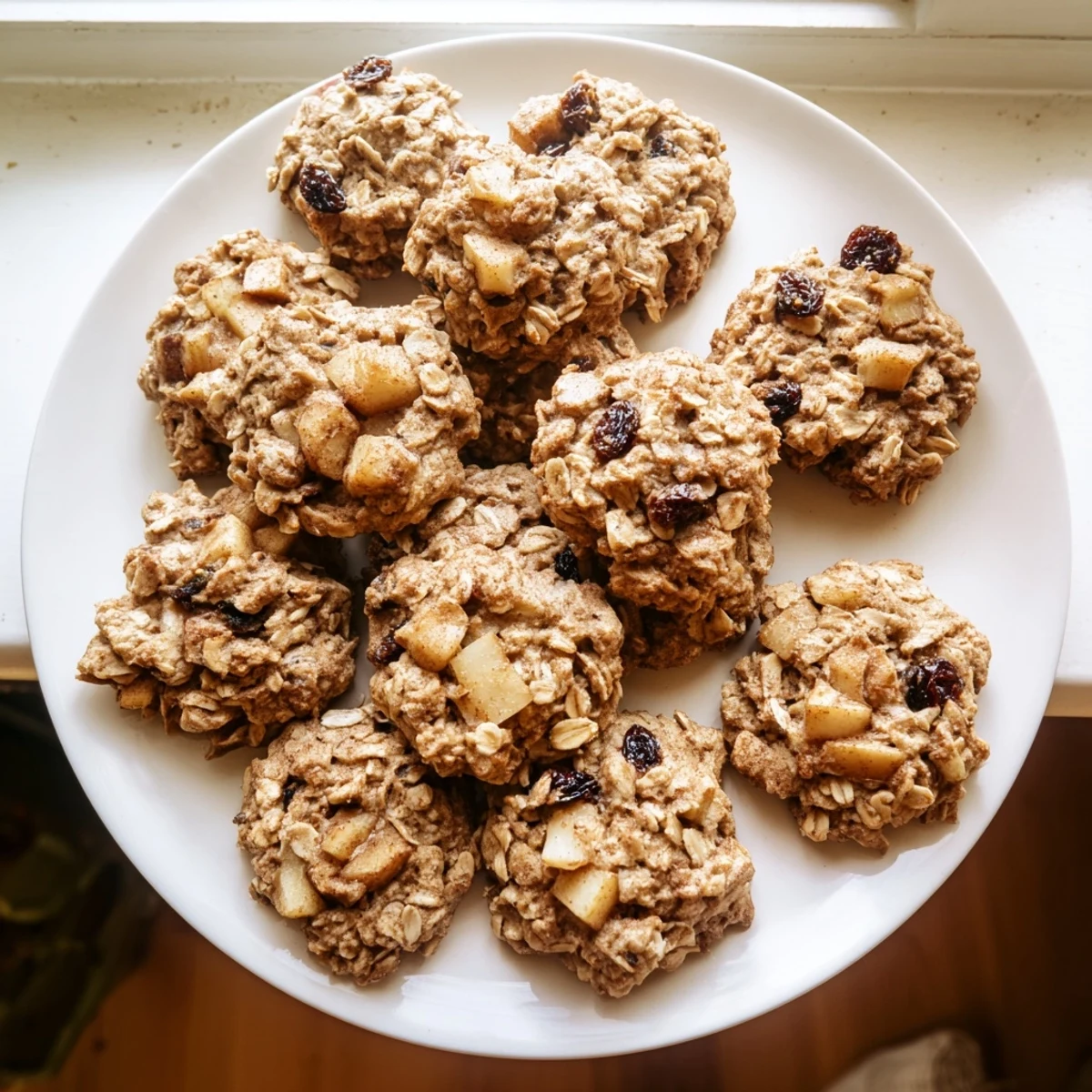
 These cookies taste like the best parts of autumn wrapped into something you can hold in one hand, and they have a way of making any ordinary afternoon feel a little more like a holiday.
Recipe Questions & Answers
- → Can I use quick oats instead of old-fashioned rolled oats?
-
Old-fashioned oats work best as they provide the ideal texture. Quick oats may make the cookies softer and less chewy. For the best results, stick with old-fashioned rolled oats.
- → How should I store these cookies?
-
Store cooled cookies in an airtight container at room temperature for up to 4 days. Place parchment paper between layers to prevent sticking. For longer storage, freeze individually wrapped cookies for up to 3 months.
- → What apples work best in these cookies?
-
Sweet, crisp varieties like Honeycrisp, Fuji, or Gala hold their shape well during baking. Avoid very soft apples as they can become too mushy. Peel and dice them into small, even pieces for best distribution.
- → Can I make the dough ahead of time?
-
Yes, you can refrigerate the dough for up to 24 hours before baking. Let it sit at room temperature for about 15 minutes to soften slightly before scooping and baking. This may even enhance the flavors.
- → Why are my cookies spreading too much?
-
If cookies spread excessively, your butter may have been too soft or the dough too warm. Chill the dough for 15-20 minutes before baking. Also ensure you measure flour correctly by spooning it into the measuring cup and leveling off.
- → Can I substitute the honey?
-
Maple syrup works as a 1:1 substitute for honey, though it will slightly alter the flavor. Agave nectar is another option. Keep in mind that honey provides moisture and structure, so liquid substitutes may affect the final texture.